




Creating a safe, attractive home for kids requires careful flooring choices. Children are curious, energetic, and sometimes a bit clumsy. Choose flooring materials that can handle their playful behaviour. A family-friendly floor not only looks good but also offers comfort and safety. The key is balancing style, durability, and safety.

Planning a children’s event can be fun but also complex. Kids have different tastes and energy levels, which can make organizing an event both exciting and challenging. Whether it’s a birthday party, a family festival, or a school gathering, creating a safe and enjoyable environment for kids is crucial.
Colourful decorations and interactive games are key to keeping kids entertained. It’s important to understand what your young guests like. Activities that grab their attention can really make a difference.

Selling a house means juggling two timelines. The first is slow: grass, shrubs, and anything you plant take weeks or months to look established. The second is quiet until it suddenly isn’t. Contracts, disclosures, and title issues stay in the background until you get an offer, and then they determine if your closing date stays on track.

Planning a single trip that thrills your teen, calms your grade-schooler, and still feels safe for a four-year-old can seem impossible. Colorado’s Arkansas River makes it doable: within one professionally managed corridor, you can choose a gentle float, a splashy Class III sampler, or a canyon sprint, with no multi-state logistics needed.

The relationship between autism and auditory processing is complex and multifaceted. Auditory processing differences can influence how autistic individuals experience sound, which in turn may shape social communication, attention, and behavior.
In some cases, these differences may intensify certain autistic traits such as sensory sensitivities, repetitive behaviors, or challenges in social interaction. Understanding these interactions can provide important context for interpreting behavior and identifying appropriate supports.

A 2025 analysis published through AHRQ's Patient Safety Network found that diagnostic errors accounted for 26.6% of medical malpractice claims examined over a 20-year period. Fatalities were observed in about 39% of these diagnostic-error claims.

The UCCJEA has been adopted in 49 states, along with the District of Columbia and several U.S. territories. Massachusetts is the only state that has not yet adopted the UCCJEA, though its Senate has repeatedly passed adoption bills that stalled in the House.

Handing your baby to a nanny and walking out the door for the first time is one of the hardest moments of early parenthood — and one of the most normal. Whether you're returning to work, heading to an appointment, or simply reclaiming a few hours of your week, that first goodbye stirs up a mix of guilt, worry, and (let's be honest) a little relief. Here's what to expect emotionally and practically, plus how to set your nanny — and yourself — up for a smooth first day.
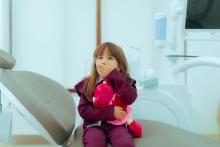
Most advice about dental visits for sensory-sensitive kids starts in the waiting room. By then the outcome is mostly set. The two weeks before the appointment do more to decide how the visit goes than anything that happens in the chair.
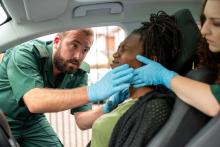
Car accident lawyers help injured people understand what a collision may mean beyond the immediate shock, vehicle damage, and medical visit. Legal help can be especially valuable when an accident in Houston raises questions about responsibility, insurance coverage, or the long-term effects of an injury.