



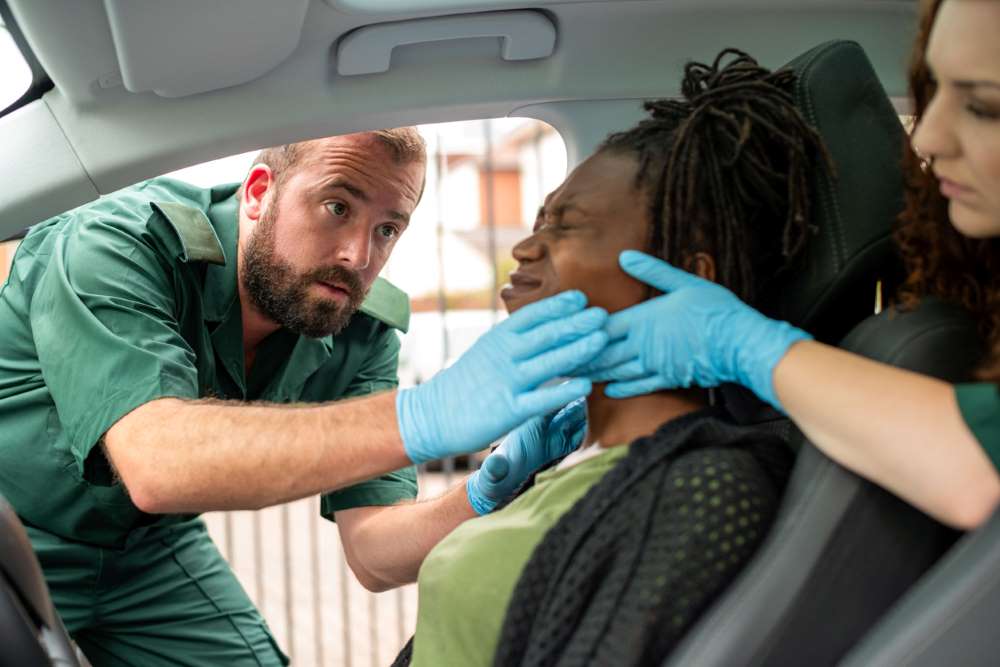
Car accident lawyers help injured people understand what a collision may mean beyond the immediate shock, vehicle damage, and medical visit. Legal help can be especially valuable when an accident in Houston raises questions about responsibility, insurance coverage, or the long-term effects of an injury. Houston’s extensive network of highways, major intersections, residential streets, and commercial routes means crashes can happen under many circumstances, and each situation brings its own legal considerations.
A lawyer can put those circumstances in context while explaining the options available to someone dealing with the aftermath. Local familiarity may also provide useful perspective when a case involves the surrounding roadway, businesses, employers, or other parties connected to the incident. For injured residents, understanding when professional guidance makes sense is often less about the size of the accident and more about whether its consequences have become difficult to evaluate alone.
Early Warning Signs
After a crash involving pain, missed work, or fault disputes, you may want legal help if an insurer offers payment, disputes responsibility, or requests a statement. A lawyer can review police reports, medical records, photographs, witness details, and policy language before advice is given. This review matters because paperwork may overlook symptoms, lost income, vehicle damage, or treatment needs. A consultation gives you time to ask questions, compare options, and postpone signatures until the harm becomes clear.
Serious Physical Harm
Severe physical harm deserves prompt attention. Broken bones, head trauma, spinal damage, internal bleeding, burns, or lasting nerve problems can affect daily life long after visible wounds fade. Medical records establish diagnosis, treatment, restrictions, and likely recovery needs. A legal review may help connect those details with projected expenses, household assistance, rehabilitation, and reduced earning ability. Delaying action can make proof harder to preserve while bills continue arriving and emotional strain affects the family daily.
Disputed Fault
A disputed account of fault is another strong signal. Accidents involving multiple drivers, lane changes, unsafe turns, poor road conditions, or unclear traffic signals can create competing stories. Independent evidence becomes important when each insurer points elsewhere. Counsel may examine vehicle positions, damage patterns, surveillance footage, phone records, event data, and witness statements. Clear fact gathering can prevent an injured claimant from accepting blame that belongs to another involved driver without reliable proof or review.
Pressure From Insurers
An insurer's urgency should also prompt caution. Adjusters may request broad medical releases, recorded interviews, or quick signatures before treatment ends. A settlement usually closes the claim, even if new symptoms appear later. Before accepting money, an injured person should compare the offer with documented costs, wage losses, care estimates, and personal limitations. Legal guidance can identify missing damages and explain whether the proposed agreement protects future needs during recovery and after care fully concludes.
Lost Income
Missed work can turn a manageable incident into a serious financial burden. Lost wages may include regular pay, overtime, bonuses, contract income, or reduced hours during recovery. Documentation should show your position, scheduled shifts, pay rate, absence period, and return restrictions. A claim review may also consider diminished future earnings when an injury limits lifting, driving, concentration, or other essential job duties over time. Those losses deserve careful records from the beginning of recovery.
Household Assistance
A case may require assistance if injuries affect family members who provide unpaid care. Help with bathing, transportation, meals, childcare, or household tasks can represent a real economic loss. Notes should record hours, tasks, dates, and routine changes. Compensation may also relate to emotional distress, reduced independence, and loss of normal activities. Accurate descriptions give decision makers a clearer view of harm beyond hospital charges and pharmacy receipts. That record may support fairer evaluation.
Special Accident Factors
A consultation becomes more important after a hit-and-run, uninsured collision, commercial vehicle crash, or incident involving a public agency. Insurance rules can differ by policy, employer, vehicle owner, or government notice requirement. Time limits may also control a claim, and missed deadlines can end recovery rights. Early legal review helps identify responsible parties, required notices, available coverage, and documents to preserve before memories fade. This step can prevent avoidable loss of important rights.
Minor Crashes
Not every minor crash requires formal representation. A person with no injury, clear responsibility, modest damage, and a complete repair may handle communication independently. Even then, medical symptoms should be addressed because pain, dizziness, stiffness, or numbness can appear later. If facts change, costs rise, or an insurer becomes difficult, a fresh consultation can help determine whether professional support is justified. A short review may still prevent an expensive mistake during negotiations.
Knowing When Professional Guidance Makes Sense
The strongest reason to seek legal assistance is uncertainty paired with meaningful harm. Severe injuries, disputed fault, delayed symptoms, income loss, multiple insurers, or pressure to settle can justify a timely consultation. Organized records, honest answers, and consistent medical care strengthen any review. The goal is a fair evaluation of present and future losses, followed by an informed choice about settlement, negotiation, or further action. That decision should match a person's facts, needs, and path.