



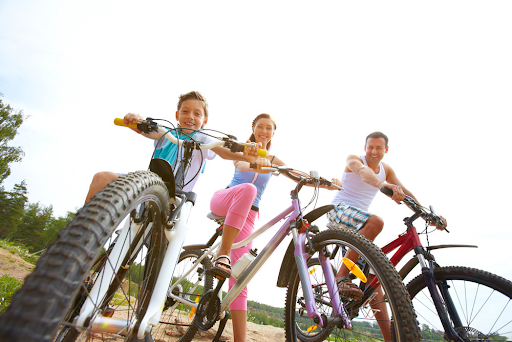
Biking is a fantastic way for kids to explore the world, stay active, and enhance their wellness. However, it also requires vigilance and awareness to ensure safety. This article delves into essential bike safety tips that every parent should know to keep their children safe on the roads.
Understanding the Risks
Bicycling is enjoyed by millions, yet, according to the Centers for Disease Control (CDC), around 1,000 cyclists lose their lives each year on American roads, with more than 130,000 suffering injuries due to accidents. As a parent, understanding the risks involved can help in taking steps to mitigate them. Educating children about potential hazards and the importance of vigilance can significantly contribute to their safety and overall wellness.
In addition to direct road incidents, other factors like poor visibility, cyclist behavior, and inadequate gear can amplify risks. Teaching children to steer clear of these dangers can make biking a safe and enjoyable experience. Ensuring they are visible to motorists, wearing bright clothing, and using lights during dusky conditions are effective safety measures.
Safety gear plays a crucial role in minimizing injuries. Helmets are particularly important, though laws on helmet use can vary by state. While some states allow exemptions for helmet use under specific criteria, such as in Florida, where adults over 21 can forgo helmets if they have certain health insurance, according to Florida Highway Safety and Motor Vehicles, encouraging consistent helmet use is vital for children.
The Importance of Safe Riding Practices
Teaching children safe biking practices is key to their wellness and long-term health. Instilling the importance of obeying traffic signs, signals, and rules can help kids become responsible riders. As per the Insurance Institute for Highway Safety, bicyclists represent 2% of all motor vehicle-related fatalities annually, highlighting the need for safer riding habits.
Children should also be taught to ride predictably, making their movements clear and visible to others. This includes signaling turns and stops, and maintaining a steady path along the road. Parents can model these behaviors, encouraging their children to follow suit.
Another vital safety practice is educating children about the dangers of distractions. Remind them to avoid using headphones or other devices that may take their focus away from the road. This focus is a significant part of ensuring child wellness while cycling.
Creating a Safe Biking Environment
Parents can foster a safe biking environment that contributes positively to their child's wellness. Ensuring that children have well-maintained bicycles, with brakes and tires checked regularly, is a basic yet necessary step. A properly functioning bike significantly lowers the chances of accidents, keeping young cyclists safe and healthy.
Choosing safe routes for children to ride is equally important. Opt for paths with lower traffic and good lighting, or dedicated bike lanes. Such environments can help beginners build confidence and experience without the stress of crowded roadways.
Finally, consider enrolling children in local cycling safety courses. These programs can offer practical training and skills that contribute to both riding competence and child wellness. Empowering kids with knowledge and habits for safe biking can set a solid foundation for a lifetime of enjoying cycling.
In conclusion, while biking provides numerous health and recreational benefits for children, ensuring their safety is paramount. By understanding risks, promoting safe practices, and creating a supportive riding environment, parents can significantly enhance their children's cycling experience. Equipping kids with the skills and knowledge to navigate roads safely will not only protect them but also promote their overall child wellness.