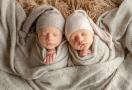




Children can be affected by the family structures, legal circumstances, and communities surrounding them as they grow. These different forms of support can become especially important when a child’s circumstances change or when families are navigating unfamiliar situations. Understanding how these systems intersect can provide a broader perspective on the different environments that may shape a child’s experiences.
Family Structures Can Take Different Forms
Families do not all look the same, and children may become part of a family through different circumstances. Adoption is one example of how families can grow and provide children with a different family environment. For some households, welcoming an adopted child can become an important part of how the family develops and how children experience family relationships.
Adoption can also highlight the wider variety of family structures that exist across the country. According to FindLaw, 1 in 25 U.S. families with children have an adopted child. This figure illustrates that adoption is part of the family experience for many households with children. It also reflects how adoption can be an established part of family life for households raising children.
Recognizing different family structures can help create a more complete understanding of the support systems children may have around them. Whether a child joins a family through birth, adoption, or another circumstance, the people and relationships surrounding that child can play an important role in everyday life.
Legal Circumstances Can Be Part of a Child’s Support System
Some children may also encounter legal circumstances that affect their family situation. When a child’s circumstances involve immigration matters, understanding the requirements associated with available legal classifications can become particularly important for the child and the adults assisting them.
One example is the Special Immigrant Juvenile classification, which has specific requirements concerning a child's age and marital status. According to the U.S. Citizenship and Immigration Services, a child seeking SIJ classification must be under 21 and unmarried when the filing takes place. These requirements demonstrate why timing and individual circumstances can matter when a child is involved in an immigration-related legal process.
Legal matters can exist alongside other aspects of a child's life rather than separately from them. Family members, caregivers, and other people involved in a child's circumstances may need to understand how the child's legal situation fits within the larger family environment.
Communities Can Become Part of Family Life
The community surrounding a family can also form part of the environment in which children grow. Families may live in neighborhoods with different structures, expectations, and forms of organization, creating another layer of the environment children experience outside their immediate household.
Community associations are one example of an organized residential environment. According to Onyx Capital, as of 2025, around 373,000 community associations existed across the country, an increase of about 4,000 from the previous year. The number reflects the substantial presence of organized residential communities throughout the United States.
For families, community life can become part of the broader setting in which children spend their time. A child's experiences are not limited to the household itself, as residential surroundings can also form part of everyday family life. Looking at family support more broadly can therefore involve considering both the relationships within a household and the community surrounding it.
Children can grow up within a wide range of family structures, legal circumstances, and residential communities. Adoption, immigration-related legal processes, and organized community living represent different aspects of the environments that can surround children and families.
Considering these factors together can provide a broader view of the support systems that may be relevant to a child's circumstances. Each family has its own situation, and understanding the different structures surrounding a child can help put those circumstances into perspective.