



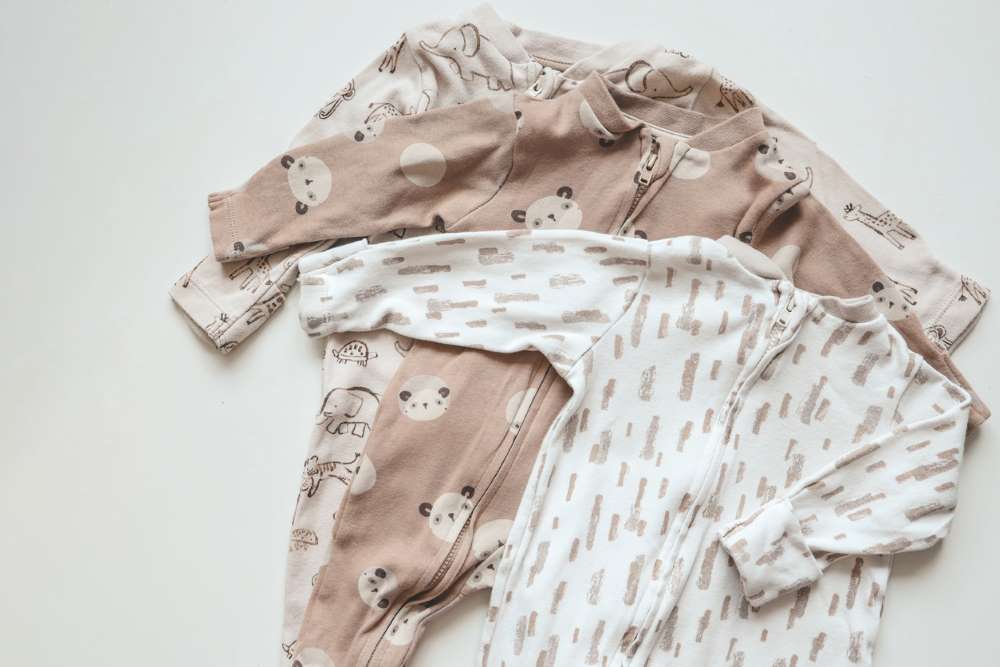
It may seem easy to choose clothes for your baby at first. But many parents quickly realize that it's not just about buying cute things. Baby's skin is delicate, they grow quickly, and comfort is the most important thing. It's important to choose the right clothes for your baby. You can easily create a small and practical wardrobe for your baby that will keep him safe, comfortable and prepared for everyday life.
This guide will show you what to look for and what materials to use. It will also tell you what sizes are best.
What Are Baby Clothes?
Baby clothes Bamboo newborn clothes are lightweight, soft garments for infants ranging from newborns to toddlers. These include things like onesies and sleepsuits. They also
include leggings and socks. These clothes are designed to provide comfort, ease of movement, temperature regulation, and quick diaper changing.
Many parents buy baby clothes because they're cute, but their real value is in the safety, functionality, and skin-friendliness of these garments. Fabrics, stitching, and fit can all make a difference to a baby's comfort.
Why Baby Clothes Matter
Baby clothes are more than just a way to cover your baby's body. Baby clothes help regulate temperature, protect delicate skin, and keep babies comfortable during naps, feedings, and playtime. Clothing that is well-chosen makes diaper changing easier and reduces skin irritation.
Parents often note that wearing the right clothes makes routines more relaxed. Babies who are comfortable sleep better, have fewer tears when dressing themselves, and establish a more stable daily routine. Both the baby and the parent benefit from good clothing.
Key Factors to Consider Before Buying Baby Clothes
-
Fabric Safety and Skin Comfort
A newborn's skin is delicate, thinner than adult skin, and more sensitive. Fabrics are the main reason why newborns need utmost care and nothing but the best for their little bodies. Always buy clothing that is made of natural, breathable materials like cotton and bamboo. These plant fibers are effective in reducing moisture and heat as well as perspiration.
-
Fit and Mobility
Clothing should not only fit perfectly but also allow free movement. The babies are stretching, curling, and kicking very frequently, and thus the garments must be roomy enough to accommodate their natural movement.
-
Practical Features
Certain features clutter the life noticeably less, such as:
-
Snap buttons for instant diaper changes
-
Envelope necklines that simply slide off
-
Two-way zippers for midnight changes
-
Soft waistbands that do not press on the belly
These minor details can be time savers for parents and also contribute to the reduction of daily stressors.
-
Seasonal Needs
Infants are not good at controlling their body temperature. So dressing in accordance to the weather is:
-
Summer time: light fabrics, sleeveless rompers, airy onesies
-
Winter time: using bodysuits, cardigans, thermal leggings, and hats to layer
-
Change of season: long-sleeve onesies plus light over-layers
The basic rule is to keep the baby one layer more than an adult dressing in the same conditions.
-
Safety Considerations
The embellishments may be attractive but they might also pose risks. Do not buy clothes with:
-
Loose buttons
-
Beads
-
Rough seams
-
Tight elastic around the wrists or ankles
Types of Baby Clothes and When to Use Them
-
Bodysuits
Bodysuits are the base of nearly every baby's clothing collection. They don't move around, they keep the chest area covered, and they are very convenient for diaper changes.
-
Sleepsuits
Sleepsuits are perfect for nap times and nighttime; they provide complete coverage to the body and help in the retention of heat. Go for those with gentle zippers for better dressing.
-
Rompers
Perfect for the little ones to sport during the day. They enable the child to move freely and are also easy to wash, which is beneficial during feeding and playtime.
-
Leggings and Pants
Pick soft, stretchy materials that are comfortable on the waist. These can be worn underneath other clothes or in cold weather.
-
Swaddles
Swaddling can sometimes help babies fall asleep because it creates a warm and peaceful environment. Good quality breathable fabric is a must to avoid the baby getting too hot.
-
Hats, Socks, and Mittens
These tiny pieces are a source of heat and serve to prevent babies from scratching their skin. They are especially useful for infants.
How to Build a Simple Baby Wardrobe
Start with Essentials
A practical wardrobe doesn’t need to be large. Most parents find these numbers helpful:
-
5–7 bodysuits
-
3–4 sleepsuits
-
2–3 rompers
-
2 leggings or pants
-
3 pairs of socks
-
1 light jacket for outings
-
2 swaddles for sleep
This keeps laundry manageable while covering daily needs.
Think About Growth
Infants have a rapid growth rate; thus, buying a lot of items in the same size at once will result in waste. Select a combination of the current size and one size larger. When you see
marks on your shoulders, tight legs, or a hard time buttoning up, that’s the time to get a larger size.
Choose Easy-to-Wash Items
Always go for clothes that can take frequent washings. Natural fibers and simple designs are not only durable but also keep the fabric soft even after washing many times.
Stick to Soft Colors and Simple Designs
Colors fade, but comfort remains. Neutral and soft colors are not only easy on the eyes but also can be mixed with any other piece in the wardrobe.
Caring for Baby Clothes
Wash Before First Use
The new fabric often contains remnants of the manufacturing process. A gentle wash removes these residues and makes the fabric softer.
Use a Mild Detergent
Heavy-duty detergents can cause irritation to delicate skin. Go for scent-free alternatives that wash away completely.
Avoid Fabric Softeners
These products leave behind residues that can lead to irritation. Usually, the natural softness of cotton and bamboo is more than enough.
Dry Naturally When Possible
Air-drying not only keeps the fabric soft but also helps in maintaining its original shape.
Common Mistakes Parents Should Avoid
-
Buying Too Many Clothes
It is hard not to get carried away with fashionable pieces; a lot of them would just sit there. Newborns go through sizes very quickly, so it is wiser to get fewer but high-quality items instead.
-
Ignoring the Fabric Type
Man-made fibers can lead to sweating and thus, discomfort. It is always a good idea to check the material before buying.
-
Choosing Complicated Clothing
Wearing many layers, having stiff collars or tricky fasteners all contribute to making dressing stressful. Simple designs are the most suitable.
-
Forgetting About Season Changes
So, plan! When you are buying clothes for the next size, also think about what the weather will be like when the baby can wear them.
-
Overlayering
Too many layers may lead to sweating. Babies need just enough warmth, not to be completely covered up.
Expert Tips for Smarter Baby Clothing Choices
-
If a garment leaves marks on the skin, it’s too tight.
-
Natural fibers regulate temperature better than synthetics.
-
Two-way zippers save a lot of time during nighttime changes.
-
Babies who drool often benefit from soft bibs to protect their clothes.
-
Always check seams and stitching to ensure they’re gentle and smooth.
Conclusion
The process of choosing baby clothes can become literally and figuratively a confusing task. However, if you take fabric quality, safety, comfortable fit, and seasonal needs into account, you have already created a wardrobe that not only supports comfort but also entails growth.
A few well-selected pieces can go a long way as compared to even a vast collection of items that do not cater to the real needs. If you go the right way, dressing a baby will be nothing but simple, practical, and fun.
FAQ’s
-
How many clothes does a newborn really need?
A small set of bodysuits, sleepsuits, and a few layers is usually enough for daily routines.
-
Should I wash baby clothes separately?
Yes, using mild detergent helps protect sensitive skin.
-
Which fabrics are safest for babies?
Breathable natural fibers like cotton and bamboo are gentle and comfortable.
-
How do I know when the size is too small?
If the snaps don’t close easily or the garment feels tight around the legs or arms, it’s time to size up.