



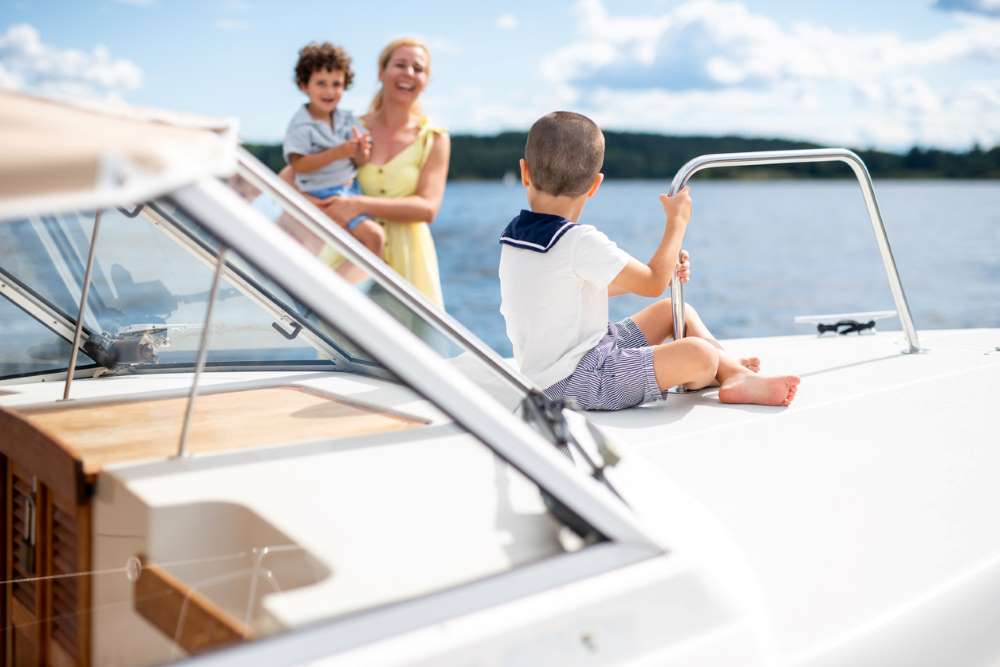
Spending time on the water can be a fun way for kids and families to relax, but boating also comes with risks. Each year, thousands of accidents happen because of mistakes, bad weather, or a lack of preparation. Teaching kids safety habits early helps prevent accidents and builds confidence whenever they are near or on a boat.
Why Boating Accidents Happen
Most boating accidents involve preventable mistakes. Collisions often occur because the operator is distracted or inexperienced. Not wearing a life jacket is another major factor in serious injuries and drownings. Weather changes can also play a role, since sudden storms can make water conditions dangerous. Mechanical problems, such as engine failure, sometimes contribute, but poor decisions made by people on board are more common.
Essential Safety Rules for Kids
Life jackets are the most important safety tool. Every child should wear a properly fitted jacket at all times. Running or playing roughly on a boat can be dangerous because slippery surfaces increase the chance of falling overboard. Kids should also learn to sit while the boat is moving and to keep hands and feet inside. Listening to the adult in charge is a must, since quick instructions may be given if something unexpected happens.
How Parents Can Keep Trips Safer
Adults should always check the weather forecast before heading out. A quick safety talk before the trip helps kids know what to expect. Carrying essentials like a first aid kit, extra drinking water, and sunscreen is important for both comfort and safety. Parents should also limit distractions and make sure there are enough life jackets for everyone on board.
Teaching Respect for Water
Kids benefit from learning that water demands respect. Enrolling them in swimming lessons and practicing water safety skills can make them stronger and more confident. Simple habits, like never leaning over the side or always swimming with an adult nearby, can reduce risks. These lessons extend beyond boating and help kids stay safe at pools, lakes, or beaches.
Boating should be remembered for laughter and family time. By practicing safety, preparing ahead, and teaching kids simple rules, families can enjoy their time on the water responsibly. Even small lessons about life jackets, listening, and respecting water can protect children in many situations. And just as donating a car can help a charity, teaching safe habits on the water can make a lasting difference for children’s well-being. Look over the infographic below to learn more.