



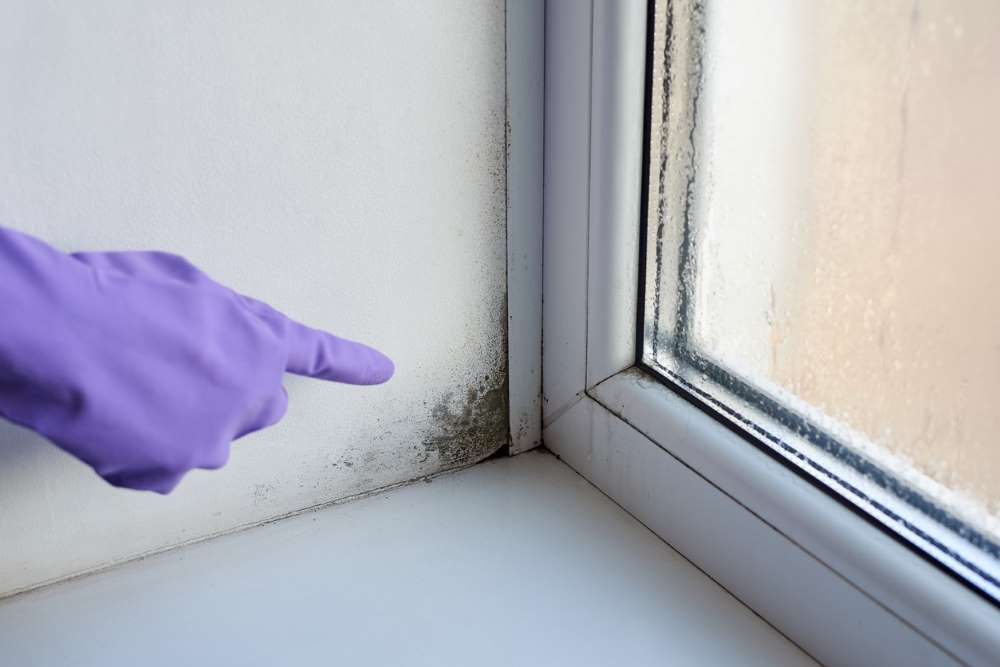
Parents often notice when something changes. A child who was once easygoing suddenly becomes irritable. A good sleeper starts waking throughout the night. Teachers mention trouble focusing in class, or a child who once loved school begins struggling to pay attention.
There are many possible reasons for behavioral changes in children. Nutrition, sleep, emotional stress, learning differences, and family circumstances all deserve consideration. One factor that is sometimes overlooked is the child's indoor environment.
While mold is best known for triggering allergies and respiratory complaints, researchers have also explored whether long-term exposure to damp indoor environments may influence mood, cognition, and behavior. Although mold should never be viewed as the sole explanation for behavioral concerns, growing evidence suggests it may be one piece of a much larger puzzle.
What Happens When Mold Grows Indoors?
mold thrives anywhere moisture is allowed to linger. Roof leaks, plumbing failures, flooding, condensation, and poor ventilation can all create ideal conditions for growth. Unfortunately, mold is often hidden behind drywall, beneath flooring, inside crawl spaces, or within HVAC systems.
As mold colonies grow, they release spores and microbial compounds into the air. Depending on the species present and an individual's sensitivity, these airborne particles may contribute to irritation of the respiratory system and immune response.
According to the U.S. Environmental Protection Agency's guidance on mold and health, damp indoor environments are associated with increased respiratory symptoms, asthma exacerbations, and other health concerns, particularly among children and individuals with existing sensitivities.
Why Children's Brains May Be More Sensitive
Children are not simply smaller adults. Their brains, nervous systems, lungs, and immune systems continue developing throughout childhood.
They also breathe more air relative to their body weight than adults, meaning environmental exposures may have a proportionally greater effect.
Researchers continue studying how chronic inflammation, immune activation, and environmental stressors influence developing brains. While no single environmental exposure explains behavioral difficulties, reducing unnecessary stressors is widely viewed as beneficial for children's overall wellbeing.
Research Continues to Build
One study published through the National Institutes of Health found that early exposure to indoor mold and damp housing conditions was associated with lower cognitive scores in children several years later. The authors noted that additional research is needed to better understand the relationship, but the findings add to a growing body of literature examining indoor environmental quality and child development.
Could Poor Indoor Air Quality Affect behavior?
When parents think about indoor air quality, they often picture coughing or sneezing. behavioral changes may not immediately come to mind.
Yet sleep quality, concentration, mood regulation, and energy levels are all closely connected to overall health.
A child experiencing chronic nasal congestion may sleep poorly. Interrupted sleep can contribute to daytime fatigue, irritability, and difficulty concentrating. Likewise, persistent immune activation or ongoing discomfort may indirectly influence emotional regulation.
These pathways are complex, and every child is different. behavioral changes should always be evaluated thoughtfully and, when appropriate, discussed with qualified healthcare professionals.
We spoke to Dr. Radhika Kamat, a leading naturopath in Singapore. Her take:
"Parents often focus on diet or screen time when behavioral changes appear, but the home environment deserves attention too. When a child is exposed to ongoing environmental stressors such as poor indoor air quality, mold, disrupted sleep, or chronic inflammation, those factors may influence how they feel, learn, and regulate their emotions. Looking at the whole picture often provides valuable insight."
Looking Beyond a Single Cause
Children rarely develop behavioral challenges because of one isolated factor.
Sleep habits, allergies, nutrition, family stress, classroom environment, developmental differences, and environmental exposures may all overlap. Looking at the broader picture often provides more meaningful answers than searching for a single culprit.
Healthcare professionals increasingly recognise that behavior reflects many interconnected systems within the body rather than one isolated diagnosis.
Why Mold Often Goes Undetected
One of the challenges with mold is that it frequently remains hidden.
Homeowners may assume everything is fine because walls look clean and no obvious smell is present. However, moisture problems can exist behind finished surfaces for months before becoming visible.
Small plumbing leaks, improperly vented bathrooms, roof failures, or crawlspace humidity can all create favourable conditions for mold growth.
Professional inspections often identify moisture sources that homeowners were completely unaware of.
According to Tom Moore of Mold Testing LLC, the leading mold inspection service in NJ, "One of the biggest misconceptions is that if you can't see mold, it isn't there. During inspections, we frequently discover hidden moisture problems behind walls, beneath flooring, or inside HVAC systems.:
He continues, “Families can spend months trying to understand health concerns without realising that indoor environmental conditions may also deserve investigation."
What Parents Can Do
If behavioral changes develop alongside recurring respiratory symptoms, allergy complaints, persistent musty odours, or known water damage, it may be worthwhile to evaluate the home's indoor environment as one part of a broader investigation.
Simple steps include repairing leaks promptly, controlling indoor humidity, improving ventilation, and arranging professional mold inspections when hidden moisture is suspected.
Parents should also continue working closely with their child's healthcare providers to evaluate any medical, developmental, or psychological concerns.
How Real Are These Effects of Mold, Really?
Current research does not suggest that mold directly causes behavioral disorders. Human behavior is far too complex for such a simple explanation.
What the evidence does suggest is that healthy indoor environments matter. Poor air quality, chronic dampness, inadequate sleep, allergies, and ongoing inflammation may all influence how children feel and function from day to day.
For families searching for answers, considering both health and home environments often provides a more complete picture than looking at either one alone.