



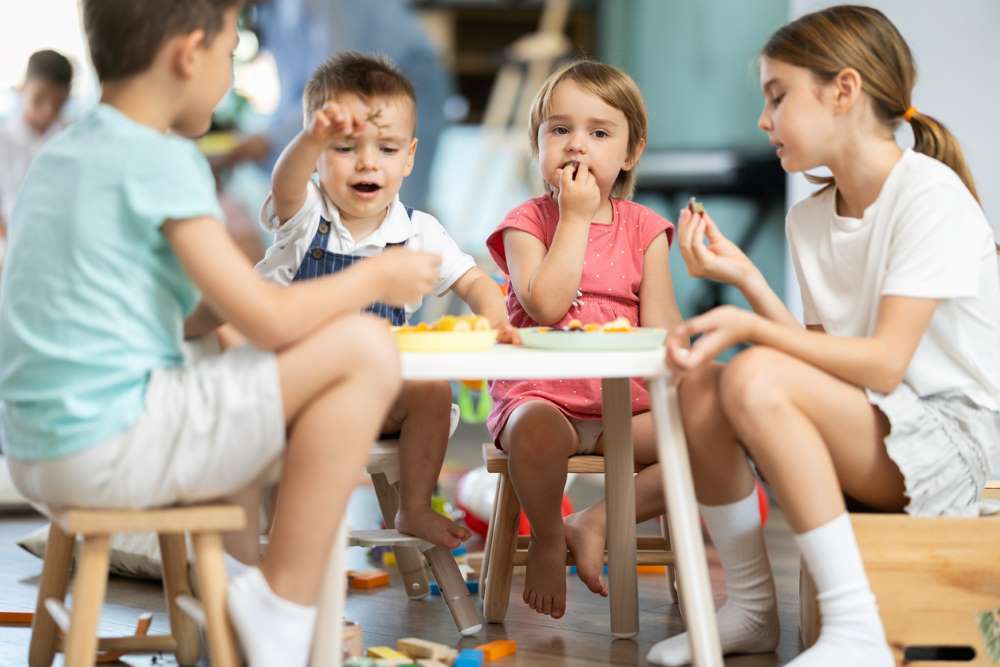
The first five years of a child's life have an even bigger influence on their future development than most parents realise. At this time, the brain develops rapidly, and every experience a child gets forms the foundation of thinking, communication and coping skills. The above explains why it is crucial to provide children with high-quality educational experiences not as preparation for school but as learning foundations in their own right.
Many parents may question which aspects make a difference when it comes to the early years. It is almost never one particular activity or resource. It is all about interactions, routines, and opportunities to explore and discover the world around.
Why the Early Years Are Important
Early childhood is considered the formative period since everything that happens at this time leaves its mark. Language acquisition, social understanding, and emotional regulation are acquired simultaneously and largely through play and interaction rather than direct instruction. Stacking blocks teach a child cause and effect and patience, while taking turns teach empathy.
The above is why the environment a child lives in during early childhood matters. The space that sparks curiosity, allows repetition and responds to the pace of a child tends to encourage learning confidence and competence.
What a Strong Early Learning Environment Should Include
There must be a balance between structure and flexibility in a learning environment. While routine activities make a child feel safe, open-ended play encourages trial and error and problem-solving. An experienced educator can notice learning opportunities and expand them rather than impose a specific result a child might not be prepared for.
Family participation also counts. When educators and parents discuss the interests of a child or his difficulties, learning is integrated into daily life rather than isolated. Local learning programs, such as the ones provided by a Belmont preschool, usually focus on consistency between home and the learning environment as a means of stabilising the development of a child.
The Importance of Play in Skill Development
When parents hear about play, they consider it some form of entertainment for children. However, play is an important component of learning. By playing both independently and under supervision, children develop problem-solving skills, learn about boundaries and limitations and become more resilient and confident in their abilities.
The key to play is its diversity. Physical play encourages motor skills; imaginative play helps process different emotional and social experiences, while quiet and focused play improves concentration. A good early learning experience involves different types of play rather than prioritises one of them.
Social and Emotional Preparedness
The importance of social and emotional preparedness is often underestimated in early childhood education. However, developing self-awareness, taking turns, and conflict resolution skills will benefit a child in the long run.
These skills cannot be developed through lectures and worksheets. They need to be taught gradually in the course of daily activities and interactions when a child is coached rather than corrected and where mistakes are considered a learning opportunity rather than failure.
Examples of Daily Activities That Develop Social and Emotional Skills
-
Resource sharing during group activities
-
Solving minor conflicts
-
Verbalisation of needs and desires
Daily activities above greatly contribute to the emotional development of a child, perhaps more than any structured lessons do.
Preparing a Child for School
Providing a child with strong foundational skills will ensure a smooth transition into school. If a child has consistent opportunities to develop independence, multi-step instruction-following skills and emotional regulation, he/she will find it easy to adjust to classroom activities.
Transition to school is not about academic drilling. The main task here is to prepare a child to become a confident and competent learner ready to work in the class.
What Parents Can Do to Provide Learning Foundations for a Child
While it is important for children to spend time with their peers and learn from educators, parents also have a lot to do to ensure their child's readiness. Regular reading, discussing what happened during the day and making sure a child plays independently are some of the ways to reinforce learning experiences.
Another important step is being curious about the interests of your child. Following them within reasonable limits leads to better engagement than forcing a child to deal with tasks assigned to him/her.
Building Blocks That Last
The first years of life are not a waiting room before learning starts. They are when the learning habits and social and emotional preparedness that will form the entire learning journey of a child emerge. Creating a calm, consistent and play-oriented environment for your child at this stage won't guarantee anything, yet it provides a strong foundation.