



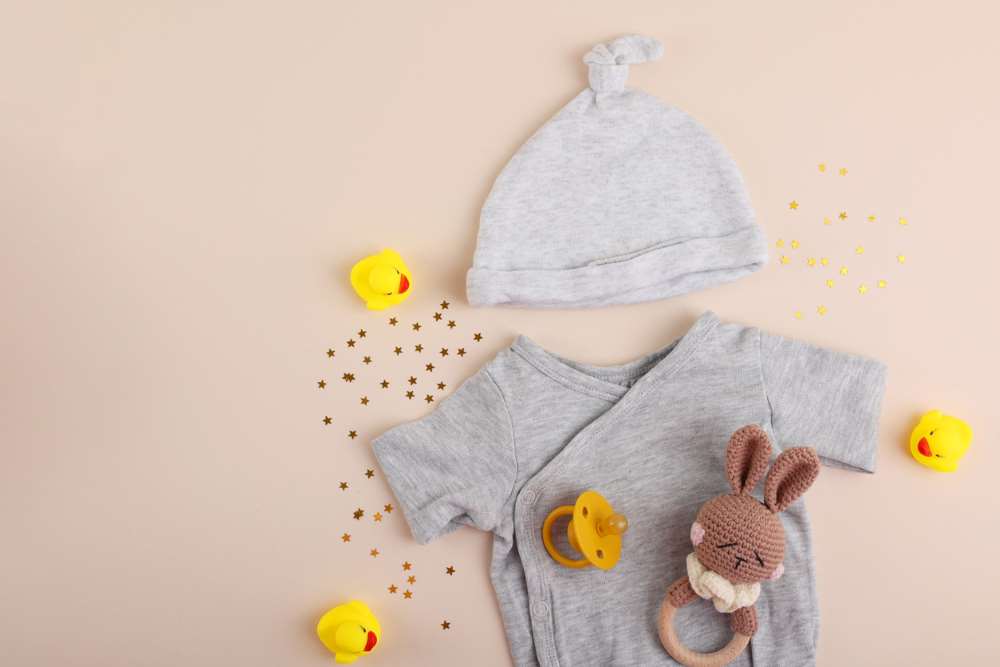
Choosing the right clothes for your baby each season keeps them comfortable, safe, and happy no matter the weather. You can make sure your little one stays cozy in the winter, cool in the summer, and comfortable through spring and fall by focusing on soft fabrics, smart layering, and seasonal essentials. Planning a flexible wardrobe helps you adapt quickly to changing temperatures and keeps daily dressing simple.
Each season brings new challenges and opportunities. Lightweight cotton outfits suit warm days, while soft knits and breathable layers protect against cooler temperatures. When you know which pieces work best year-round, dressing your baby becomes easier and more enjoyable.
Key Takeaways
-
Learn the clothing types best suited for every season
-
Get simple tips to make dressing your baby easy and safe all year
-
Build a comfortable, adaptable wardrobe for any weather
Key Essential Baby Clothes for Every Season
A practical baby wardrobe keeps your little one comfortable through temperature changes, growth spurts, and daily wear. Choosing the right fabrics, layers, and fits helps you maintain comfort and safety while simplifying outfit planning year-round.
Must-Have Baby Wardrobe Basics
A reliable set of essential baby clothes starts with simple, mix‑and‑match pieces that adapt to the weather. Focus on breathable cotton for warmer months and soft, layered knits for cold conditions. Stocking flexible basics ensures your baby stays cozy without constant wardrobe changes.
Key pieces include:
-
Long- and short-sleeve tops
-
Stretchy leggings or pants
-
Soft cardigans or zip-up hoodies
-
Seasonal accessories such as cotton hats and mittens
Keep multiple sizes on hand, since babies grow quickly. Neutral colors and easy-to-layer items make combining outfits faster. When shopping, look for trusted brands offering baby clothes for every season made with safe materials free of harsh dyes. A wardrobe built from these basics can handle everyday wear from naps to outings.
Onesies and Bodysuits: Foundation of Year-Round Comfort
Onesies and bodysuits form the foundation of daily comfort throughout your baby’s first year. Their one-piece design eliminates gaps and bunching, ensuring warmth and mobility. Choose soft fabrics like organic cotton or bamboo that manage moisture and reduce irritation.
During summer, lightweight sleeveless bodysuits keep your baby cool while protecting skin from the sun. In cooler months, layer long-sleeve bodysuits under jumpers or footed pants. Snaps at the bottom simplify diaper changes, and envelope necklines make dressing easier.
Keep about 6–8 bodysuits per size to avoid frequent laundry. Rotating between solids and prints creates variety without requiring a large inventory. Wash them with mild, fragrance-free detergent to maintain softness and prevent skin discomfort.
Swaddles, Sleep Sacks, and Sleepwear Essentials
Sleep garments directly affect safety and rest quality. Swaddles help newborns feel secure by mimicking the snug environment of the womb. They prevent startle reflexes that can interrupt sleep. Choose soft, breathable muslin or cotton for warmer months and thicker fleece or quilted versions for winter.
Once your baby starts rolling, switch to sleep sacks. These wearable blankets remove the need for loose covers, lowering the risk of overheating or suffocation. Sleepwear separates—such as footed pajamas—add warmth and mobility for active sleepers.
Use the chart below as a simple seasonal guide:
|
Season |
Recommended Sleepwear |
Fabric Type |
|
Spring/Summer |
Lightweight swaddle or sleeveless sleep sack |
Cotton, muslin |
|
Fall/Winter |
Long-sleeve pajama + quilted sleep sack |
Fleece, bamboo blend |
Consistent, well-fitting sleepwear keeps your baby safe, warm, and comfortable through nighttime temperature changes.
Dressing Your Baby for Each Season: Tips and Outfit Ideas
Your baby’s comfort depends on choosing the right combination of fabrics, layers, and breathable materials that match the temperature and humidity. Adjusting outfits with the seasons keeps your little one safe from overheating or chilling while maintaining easy movement and skin comfort.
Spring Layering and Outfit Recommendations
Spring weather can shift suddenly between warm afternoons and cool mornings. Lightweight layers help you adapt to these changes. Start with a soft cotton bodysuit or organic cotton romper as a base layer. Add a long-sleeved shirt or light knit cardigan that you can remove as temperatures rise.
Keep cotton leggings or pull-on pants handy for extra warmth during breezy days. For outdoor outings, a light jacket or zip-up hoodie provides comfort without overheating. Rainy days call for a water-resistant jacket and booties to keep your baby dry.
Use this simple guide as a reference:
|
Weather |
Suggested Layers |
Fabric Type |
|
Mild (18–22°C) |
Bodysuit, thin sweater, soft pants |
Cotton, bamboo |
|
Cool (10–17°C) |
Bodysuit, cardigan, leggings |
Cotton, fleece blend |
Choose pastel or neutral tones for easy coordination and timeless baby fashion.
Summer Clothing for Cool Comfort
In summer, prioritize breathable fabrics and lightweight baby clothing that allows air circulation. Dress your baby in short-sleeved onesies, sleeveless rompers, or cotton dresses for warm daytime temperatures. Soft natural fibers like cotton, bamboo, or muslin help absorb sweat and prevent skin irritation.
Keep accessories minimal — avoid thick socks or hats indoors. For outdoor wear, use a wide-brimmed hat and UV-protective clothing to shield sensitive skin. Light, loose-fitting outfits in pale colors reflect sunlight and keep your baby cooler.
During sleep, a light muslin sleep sack or cotton swaddle helps maintain a comfortable temperature without overheating. Always check your baby’s neck or chest to gauge warmth rather than relying only on room temperature.
Fall and Winter Warmth: Layering Strategies and Choices
As temperatures drop, your baby needs additional warmth from layered baby outfits that trap heat yet allow flexibility. Begin with a long-sleeved cotton bodysuit as a base layer. Add a fleece or knit sweater and soft pants for mid-layer insulation.
For outdoor use, include a padded bunting suit, footed sleepers, or insulated baby coat. Hats that cover the ears, mittens, and booties prevent heat loss. Keep multiple thin layers rather than one thick garment — this approach balances warmth and mobility.
When inside heated spaces, remove an outer layer to prevent overheating. Look for baby clothes with front zippers or snaps that make dressing and temperature adjustments easier.
Selecting Fabrics and Materials for Seasonal Changes
Fabric choice affects your baby’s comfort year-round. Cotton, bamboo, and organic blends work well across most conditions because they wick moisture and stay soft after frequent washing. In cooler months, consider flannel, fleece, or merino wool for insulation that remains breathable.
Avoid synthetic materials that trap heat or irritate delicate skin. Stretchable fabrics with some elasticity allow your baby to move freely as they grow. Always check clothing tags for gentle, machine-washable materials to simplify care.
When shopping, prioritize garments labeled Oeko-Tex certified or organic to ensure fewer chemical treatments. The right material keeps your baby comfortable through temperature changes and makes daily dressing easier for you.
Conclusion
Dressing your baby for each season helps maintain comfort and safety while adapting to temperature changes. With breathable fabrics in summer, cozy layers in winter, and flexible outfits for spring and fall, you can easily keep your little one comfortable year-round.
Keep a few versatile items on hand, such as lightweight cotton bodysuits, soft jackets, and adjustable sleepers. These make daily dressing simpler and more practical as the weather shifts.
By focusing on fit, fabric, and layering, you ensure your baby stays cozy without overheating or feeling cold. Thoughtful choices today help create a balanced wardrobe that supports your baby’s well-being in every season.