


A toddler is watching as the child transitions from simple to full-body movements. In these early years, physical play has a direct impact on children's abilities in exploring their surroundings, developing their confidence, and regulating their sensory input. Choosing toys that meet your child's physical developmental needs helps to facilitate their development and ensure play is safe and interesting.
Early Toddlerhood: Precision and Fine Motor Control
By the beginning of their second year, toddlers' grasp evolves into more fine motor control. Toys that foster hand-eye coordination and spatial insight are important at this point to develop vital neural connections.
Simple wooden blocks, large peg puzzles, and nesting cups help young children develop pincer grasp and rotate their wrists. Toddlers balance and explore cause and effect by stacking cups or fitting shapes into matching slots. This practical problem-solving can also serve as a good way to release emotions when toddlers are going through developmental spurts or short periods of frustration, as the physical activities will provide a structure. When there are changes in behavior as well as physical development, it can be useful to know why does my toddler hit himself to give context to the sensory overload and motor development connection.
Mid-Toddlerhood: Gross Motor Milestones and Balance
Toddlers' energy now focuses on larger muscles, and as they approach their 2nd birthday, their energy increases. They start to walk with good balance, run, and cross small obstacles. Play for this age should promote whole-body movement and remain safe.
-
Push and pull toys. Wooden wagons and wheeled animals develop core stability, leg strength, and push/pull action as toddlers push against resistance.
-
Balance boards. Wooden rocker boards with a curve to them, gently swaying to teach balance, spatial awareness, and ankle strength.
-
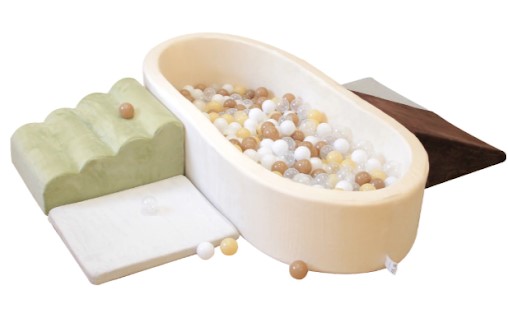
Low climbing structures. Cushioned climbing blocks or small step-stools meet the natural desire to climb while maintaining low heights to the ground.
-
Soft balls. Large and lightweight balls that promote kicking, throwing, and chasing skills to develop spatial coordination and reaction time.
Here are some physical play tools that provide toddlers with safe ways to test their physical boundaries and develop core strength and coordination.
Late Toddlerhood: Complex Movement and Active Exploration
Toddlers flourish by age 3 when they are given more complex movement challenges involving balance, strength, and sensory stimulation. Brands such as Banasuper are creating indoor climbing equipment and interactive play facilities that are especially created for this vibrant stage of life, making it safe to explore in the house.
Older toddlers can practice alternate foot climbing and controlled landings with the use of runged climbing triangles, balance beams, and modular play sets. They need these activities because they provide them with deep muscle input (heavy work), which helps to calm the nervous system and enhance their sense of space. Firm, functional toys offer toddlers the physical freedom they seek, while helping parents create a safe home environment.
What do you do when your toddler's preferences in play change at each milestone? Let us know in the comments your favorite ways to bring movement into your play, along with some questions!