



A child’s earliest learning experiences often happen at home. Long before formal education begins, children develop language, problem-solving abilities, social skills, and curiosity through everyday interactions. Creating an early learning ecosystem at home does not require expensive materials or complicated schedules. Simple routines, engaging activities, and supportive relationships can help children build a strong foundation for future learning.
Learning Through Daily Routines
Many valuable learning opportunities occur during regular daily activities. Mealtime conversations help children build vocabulary and practice communication. Grocery shopping introduces counting, colors, shapes, and decision-making. Household tasks can teach responsibility and simple problem-solving skills. Consistent routines also help children feel secure. When children know what to expect, they can focus more energy on exploring and learning new concepts.
Creating a Language-Rich Environment
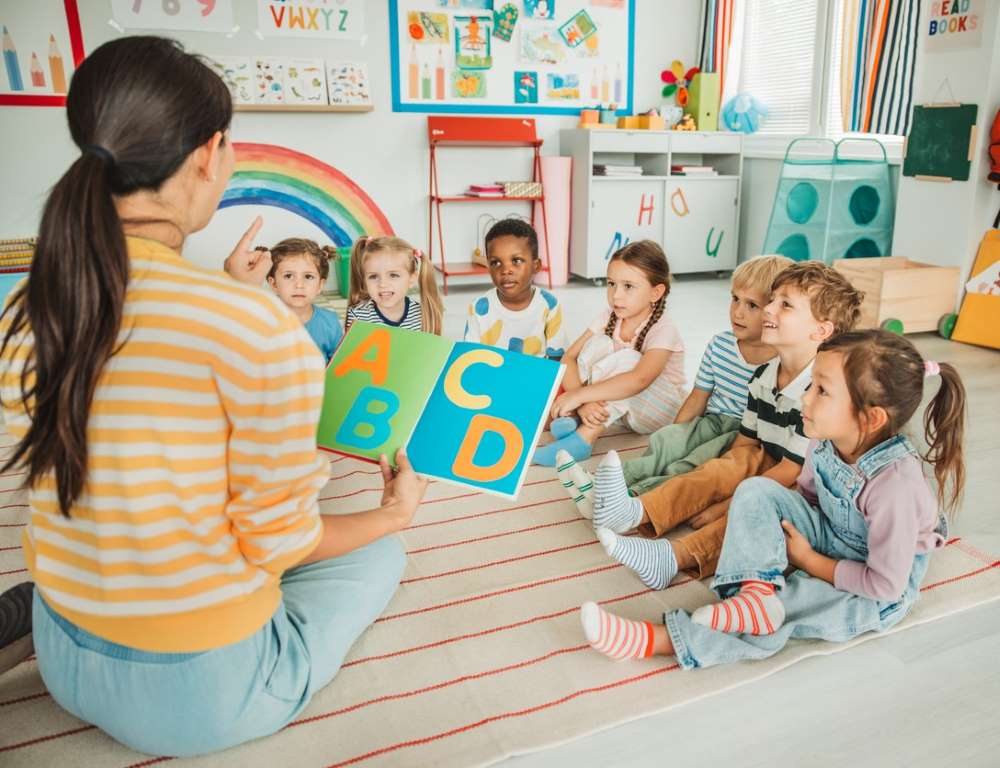
Language development is one of the most important parts of early childhood. Children learn new words and communication skills through conversations, storytelling, singing, and reading. Parents and caregivers can support language growth by asking open-ended questions and encouraging children to express their thoughts. Reading together every day exposes children to new vocabulary and ideas while strengthening listening skills.
Encouraging Exploration and Play
Play is a powerful learning tool. Through play, children practice creativity, cooperation, and critical thinking. Building blocks, puzzles, art supplies, and pretend play activities all support different aspects of development. Children also learn through exploration. Nature walks, simple science experiments, and hands-on activities encourage curiosity and observation. These experiences help children make connections between what they see and what they learn.
Supporting Social and Emotional Growth
Learning extends beyond academics. Children also need opportunities to develop emotional awareness, empathy, and self-control. Family interactions help children learn how to communicate feelings, solve conflicts, and build positive relationships. Encouraging children to talk about emotions can help them develop healthy coping skills. Playdates, community activities, and age-appropriate preschool programs can provide additional opportunities for children to practice social skills with peers.
Creating a Space for Learning
A dedicated learning area does not need to be large. A small space with books, art materials, puzzles, and educational toys can encourage independent exploration. Keeping materials organized and easily accessible allows children to make choices and engage with activities on their own. Rotating books and learning materials periodically can help maintain interest and curiosity.
An effective early learning ecosystem combines routine, conversation, play, and exploration. Families can support children’s development by creating opportunities for learning throughout everyday life. Look over the infographic below to learn more.