



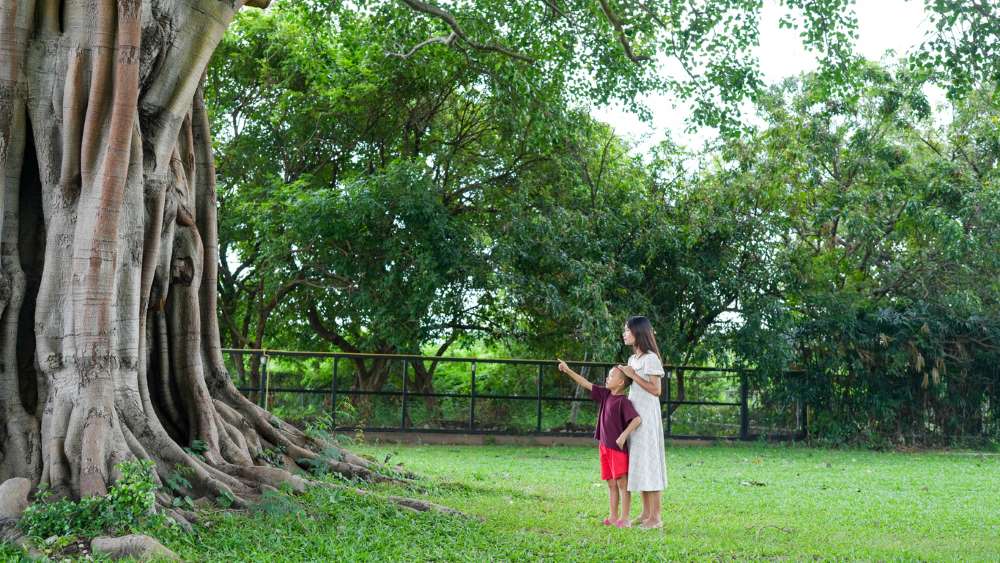
Parents who thoroughly prepare for a wildlife-focused adventure trip give their children a safer, richer, and more meaningful experience. A little planning does more than fill a suitcase. It turns close encounters with nature into age-appropriate learning experiences.
When families research wildlife behavior, practice safety rules at home, and choose ethical viewing experiences. Children should understand that wild animals deserve respect instead of entertainment-driven interactions.
Parents who build in kid-friendly routines, such as rest, snacks, and reflection time, support curiosity without exhausting younger travelers. Thoughtful preparation lays the groundwork for a trip that nurtures resilience, empathy for animals, and lifelong environmental awareness.
Research Your Destination Together
Before booking, review the types of wildlife you may see, the local terrain, and seasonal conditions, such as rain, heat, or rough seas. Talk with children about how these animals live in the wild and the importance of respecting their space. Many parks and protected areas require visitors to maintain a certain distance from wildlife. In some locations, this may be as close as six feet. If an animal approaches you, do not touch it, since avoiding contact helps protect wildlife and respect its natural behavior.
Families should also check official travel health notices and local regulations for the region. A pre-travel consultation six to ten weeks prior to departure allows a pediatric provider to review the child’s itinerary, discuss rabies and other zoonotic risks, and recommend any needed travel vaccines or preventative medications.
Prioritize Safety and Animal Welfare
Children may not always recognize boundaries with wildlife, so it’s important to guide them in these settings. Teach them to observe all wild and unfamiliar animals from a distance and never to pet, feed, or chase them, even on guided tours. Explain that wildlife is protected and should be respected at all times.
World Animal Protection urges families to choose wildlife-friendly activities that don’t involve direct interaction, such as riding, bathing, posing with, or hand-feeding wild animals. Look for experiences that emphasize responsible wildlife watching, accredited sanctuaries, and tours that avoid interrupting natural behaviors.
On island and coastal trips, families can show respect for wildlife by following their guide’s instructions and staying calm and quiet around animals, whether they’re exploring through Galápagos tour packages or taking part in marine excursions elsewhere.
A great way for families to begin practicing ethical wildlife observation is with a trip to the Galápagos Islands. Because the islands are so isolated, many animals are more accustomed to human presence, giving children a chance to observe wildlife up close while still learning the importance of respectful boundaries. Naturalist guides accompany visitors on every excursion, helping answer questions and encouraging curiosity about the natural world. With a range of Galápagos tour packages available, families can choose an experience that fits their interests and activity level.
Pack for Comfort, Health, and Learning
Clothing, gear, and health essentials
Neutral-colored, layered clothing helps children stay comfortable as temperatures shift during early-morning or late-afternoon wildlife viewing. Sturdy closed-toed shoes protect feet on rocky paths or uneven ground. Wide-brimmed hats, sunglasses, and sunscreen reduce sun exposure in open habitats.
To reduce insect bites, dress children in long sleeves and pants when needed and apply EPA-registered insect repellent as directed for their age. A compact first-aid kit, any prescription medications, and copies of medical information should stay in an adult’s daypack, along with sufficient drinking water and healthy snacks.
Tools that deepen curiosity
Simple tools can transform a sighting into a science lesson. Binoculars allow children to maintain a safe distance while still observing details of behavior and habitat. A waterproof field notebook or travel journal encourages kids to sketch tracks, note interesting behaviors, and record questions to discuss later. Families can also download child-friendly wildlife ID apps or print basic checklists tailored to their destination, so young travelers track what they see.
Practice Safety Skills Before Departure
Role-play specific scenarios at home, so children know what to do without panicking. For example, practice the following responses if an animal is present:
- Stay calm
- Back away slowly
- Remain on trails
- Keep voices low in viewing areas
- Follow the guide’s instructions
Parents should also teach children not to drink from streams and to avoid wading in fresh, unchlorinated water. They should also wear shoes while outdoors instead of going barefoot.
Set Expectations Around Ethics and Emotions
Before the trip, talk about the difference between observing wildlife and getting the perfect photo. Explain that ethical wildlife travel may mean shorter or more distant sightings but benefits the ecosystem and its inhabitants. Encourage children to notice how animals interact with their environment and to think about what those animals need to stay healthy and wild.
Parents can end each day with a brief reflection on the child’s favorite animal that day, new facts learned, and one way the family respected wildlife that day. These conversations reinforce safety lessons and help children connect adventure with responsibility.
Author bio- Salomé Prieto is a Writer for Galapagosislands.com, a travel platform that provides guides, stories, and expert insights to help travelers explore the Galápagos Islands and Ecuador. Born in Quito and now based in Canada, she brings a strong background in tourism, sales, and customer service to her work. Salomé focuses on creating engaging travel content that highlights the natural beauty, culture, and unique experiences of Ecuador and the Galápagos, inspiring readers to discover meaningful journeys and unforgettable adventures.