



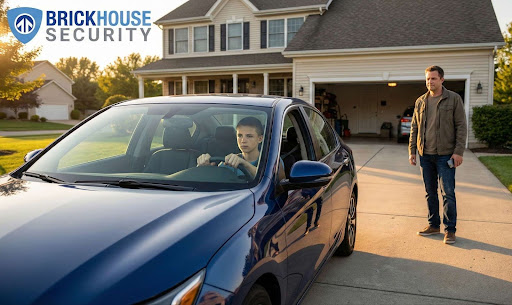
The first time your teen drives alone, the house feels too quiet. You watch the clock. You check your phone. You wait for the “I’m here” text.
GPS tracking helps parents monitor teen driving habits, confirm safe arrivals, and respond quickly in emergencies. Used correctly, it builds accountability without damaging trust.
In the United States, teen drivers face higher crash risks than older drivers. According to the Centers for Disease Control and Prevention, drivers ages 16–19 are nearly three times more likely to be in a fatal crash than drivers age 20 and older.
Location tracking does not replace parenting. It adds a practical safety layer during the years when risk runs highest.
Why Teen Driver Safety Is a Real Concern in the U.S.
How GPS Tracking Can Help Parents Keep Teens Safe becomes clearer when you look at teen crash data in the United States.
According to the Centers for Disease Control and Prevention, motor vehicle crashes remain one of the leading causes of death for U.S. teens. Drivers ages 13-19 face a fatal crash risk nearly three times higher than drivers age 20 and older. The National Highway Traffic Safety Administration reports that speeding plays a role in a large share of teen crashes. The Insurance Institute for Highway Safety also notes that crash rates drop sharply after the first year of independent driving.
Several risk factors combine during those early months behind the wheel.
-
Inexperience makes it harder to judge speed and distance.
-
Distraction from phones pulls attention off the road.
-
Peer passengers increase crash risk for teen drivers, especially teen boys.
-
Night driving reduces visibility and raises the chance of encountering impaired drivers.
The first year carries the highest danger because everything feels new. A teen might know the rules. They still lack real-world judgment under pressure.
Parents feel that gap immediately.
The first solo drive creates a strange mix of pride and fear. You hand over the keys, smile, and act confident. Then the car disappears down the street and the waiting begins. You check your phone more than once. You replay every warning you gave. If your teen drives at night, stress rises even more.
Those emotions are not overreactions. They reflect real statistical risk during the most vulnerable driving period of a young person’s life.
What Is GPS Tracking for Teens?
GPS tracking for teens uses location technology to show where a vehicle is and how it is being driven. It gives parents visibility during the years when crash risk runs highest, without needing to sit in the passenger seat.
You have two main types of tracking.
Smartphone location sharing works through apps like Apple’s Find My or Google location sharing. It shows where the phone is in real time. This option is simple and often free. The limitation is obvious. If the phone dies, gets left behind, or location services turn off, tracking stops.
BrickHouse Security Vehicle GPS tracker connects directly to the car, often through the OBD2 port located under the dashboard. These devices stay with the vehicle, not the phone. That means tracking continues even if the teen forgets their phone at home.
Some systems go beyond location and monitor driving behavior.
They can track:
-
Speed levels
-
Harsh braking
-
Rapid acceleration
-
Trip history
Speed alerts notify parents if a preset limit gets exceeded. Geofencing allows parents to set digital boundaries around locations like school, home, or work. If the car enters or leaves that area, the system sends a notification.
None of this requires technical knowledge. Most modern systems plug in within minutes and sync to a mobile app.
Used properly, GPS tracking works as a visibility tool. It shows patterns, not just points on a map. And during the first year of driving, patterns tell you far more than a single text message ever could.
5 Ways GPS Tracking Helps Keep Teens Safe
GPS tracking supports teen safety in five key ways. It gives parents visibility during high-risk driving years while still allowing teens to grow into independence. Whether a family uses a basic phone app or a dedicated vehicle tracker from providers like BrickHouse Security GPS trackers, the goal stays the same: reduce uncertainty and encourage safer driving habits.
Below, we explain each one.

1. Confirms Safe Arrival
The biggest relief comes from one simple thing. You see that your teen arrived.
Real-time location updates show when the car reaches school, practice, or a friend’s house. Instead of sending repeated texts while they drive, you open the app and check the map.
That small change reduces anxiety fast. Parents stop staring at their phones waiting for the “I’m here” message. Teens stop feeling pressured to reply while behind the wheel.
Less texting. More focus on the road.
2. Encourages Responsible Driving Habits
Speed alerts and driving behavior reports create accountability. If your teen exceeds a preset speed, you receive a notification. Some systems also detect harsh braking or sudden acceleration. Those patterns often point to aggressive or distracted driving.
Teens drive more cautiously when they know behavior is visible. I have seen families report fewer speeding alerts within the first few weeks. Awareness changes decisions.
The goal is not to punish. It is to coach with facts instead of guesses.
3. Provides Emergency Response Support
Accidents and breakdowns rarely happen close to home. On rural highways or long school commutes, it can take time to explain location clearly. A teen might panic and forget mile markers. GPS tracking removes that confusion.
You open the app and see the exact location.
Some systems also send impact alerts if a crash occurs. Faster location access means faster help, especially in areas where emergency response times run longer.
When distance stretches between towns, knowing where your teen sits on the map matters.
4. Reduces Distracted Driving
Many teens admit they answer texts from parents while driving. Parents often send those messages out of concern. “Where are you?” “Did you leave yet?” “How far away?”
When you rely on GPS tracking instead, you check location without interrupting them. That lowers phone use behind the wheel.
One less notification can make a real difference during high-speed driving.
5. Builds Communication - When Used Correctly
GPS tracking strengthens communication when you introduce it properly. You explain the purpose before installing anything. You agree on what will be monitored. You clarify how often you will review the data.
That transparency shifts the tone from surveillance to shared safety. Most teens accept tracking more easily when parents present it as temporary support during the first year of driving. Framing matters.
When safety becomes the shared goal, resistance fades and cooperation grows.
Does GPS Tracking Hurt Trust Between Parents and Teens?
Trust depends on how you use the tool.
GPS tracking becomes surveillance when parents install it secretly, check it constantly, and use it to catch mistakes. It becomes safety planning when parents explain the purpose, set clear limits, and focus on protection instead of control.
Teens respond very differently to those two approaches.
If you say nothing and suddenly question every stop they make, they feel watched. If you sit down before installation and explain your concerns, they feel included. That difference changes acceptance rates more than the technology itself.
I always suggest parents frame the conversation like this.
-
Start with why you are using it - Explain that teen crash risk runs highest during the first year of driving. Share the goal clearly: safety, not spying.
-
Then clarify what will be monitored - Will you track speed alerts only? Will you check location only at night? Define it so there are no surprises.
-
Next, decide when it will be reviewed - Instead of checking daily, agree to review driving reports once a week. That keeps it structured and less reactive.
-
Finally, discuss when it may be removed - Many families agree to reduce tracking after six to twelve months of safe driving. A timeline gives teens something to work toward.
When parents treat GPS tracking as temporary support instead of permanent control, resistance drops. Teens understand that independence grows with responsibility.
Safety planning builds trust. Secrecy breaks it.
When GPS Tracking Makes the Most Sense?
Not every family needs GPS tracking right away. Still, certain situations increase risk and make visibility more practical than optional.
The first year of driving carries the highest crash rate. New drivers are still learning how to judge speed, distance, and reaction time under pressure. Extra oversight during those early months gives parents real data instead of assumptions.
A new driver with ADHD or attention challenges may also benefit from structured monitoring. Distraction already poses one of the biggest risks for teens. Added accountability can reinforce safer habits behind the wheel.
Night driving raises concern for many families. Reduced visibility, fatigue, and higher rates of impaired drivers increase crash risk after dark. Parents often feel more stress when their teen drives home late from work or social events.
Long-distance commuting creates another layer of exposure. Teens who drive across rural highways or between towns spend more time on higher-speed roads. In those cases, knowing location and speed patterns adds reassurance.
A prior accident or speeding citation also changes the equation. After a close call, many families use GPS tracking as a short-term reset tool to rebuild safe habits.
Blended family custody transitions can create coordination challenges as well. When teens move between households, location visibility reduces confusion about pickups, drop-offs, and route expectations.
In each of these cases, GPS tracking supports structure during periods when risk runs higher than usual.
What Features Matter Most for Teen Safety?
When you evaluate GPS tracking for teen drivers, focus on safety-driven features that reduce risk and improve response time. Skip flashy extras. Look for tools that directly support responsible driving.
-
Real-Time Updates (10–30 Seconds): Choose a system that refreshes location every 10 to 30 seconds. Faster updates give you accurate trip tracking during late-night drives or long commutes. Large update gaps create blind spots you do not want.
-
Custom Speed Alerts: Set a specific speed limit and receive notifications if your teen exceeds it. Speeding remains one of the biggest causes of teen crashes in the U.S., so early alerts help correct patterns before they escalate.
-
Geofencing Controls: Create digital boundaries around school, home, or work. When the vehicle enters or leaves those zones, you receive a notification. This feature works well during the first year of driving when routines are still forming.
-
Emergency Notifications: Look for impact alerts or sudden stop detection. Immediate access to vehicle location speeds up response during breakdowns or roadside incidents, especially on rural highways.
-
Simple Installation: Most teen-focused vehicle trackers plug directly into the OBD2 port under the dashboard. You should not need complex wiring or professional setup. Simple installation reduces resistance from both parents and teens.
-
Data Privacy Protection: Review how the company stores and protects driving data. Safety monitoring should not compromise privacy. Clear data policies show that the provider takes responsibility seriously.
When these core features are in place, GPS tracking stays focused on protection instead of control.
Alternatives to GPS Tracking
GPS tracking is not the only way to support teen driver safety. Some families prefer lighter monitoring tools or skill-based approaches. What matters most is choosing a method that fits your teen’s maturity level and your comfort as a parent.
Location Sharing Apps
Smartphone apps like Apple Find My or Google location sharing provide basic real-time location. They work well for confirming arrival but do not track driving behavior such as speed or harsh braking. They also depend on your teen carrying their phone and keeping location services active.
Built-In Vehicle Systems
Many newer vehicles include built-in safety systems that offer location services, emergency response, or driving reports. These features vary by manufacturer and may require a subscription. They can provide helpful data without adding extra devices.
Open Communication Agreements
Some families rely on written driving agreements. These outline expectations around speed limits, passenger rules, nighttime driving, and phone use. Clear rules, reviewed regularly, can improve accountability even without technology.
Defensive Driving Courses
Professional defensive driving programs teach hazard awareness, reaction timing, and safe driving strategies. Insurance companies sometimes offer discounts for course completion. Skill-building often improves confidence and reduces risky decisions.
Each alternative offers value. Some families combine methods, starting with communication and education, then adding GPS tracking if risk factors increase. Safety does not depend on one tool. It depends on consistent guidance and clear expectations.
Final Thoughts: Safety First, Control Second
Teen driving independence changes your home overnight. You feel proud watching them pull out of the driveway, yet part of you waits for the headlights to return. GPS tracking works as a safety tool during those early, higher-risk years. It gives you clear information about speed, routes, and arrivals so you respond to facts instead of fear.
Used correctly, tracking supports growth rather than control. Start with an honest conversation, agree on expectations, and treat it as temporary guidance. The goal is simple: help your teen build confidence behind the wheel while you gain reassurance that they are getting home safely.
FAQ
Q1. Is it legal to track your teen’s car in the U.S.?
Yes. If you own the vehicle or have parental authority over a minor driver, tracking the car is generally legal in the United States. Laws can vary by state, so parents should always review local regulations.
Q2. At what age should parents consider GPS tracking?
Most families consider GPS tracking during the first 6 to 12 months of independent driving. That period carries the highest crash risk, so added visibility often makes sense early on.
Q3. Can teens disable GPS tracking?
Some systems can be unplugged, especially OBD2 devices. Parents who worry about this should choose systems with tamper alerts that notify them if the device disconnects.
Q4. Does insurance offer discounts for GPS tracking?
Some U.S. insurance companies offer telematics-based discounts for safe driving behavior. These programs monitor speed and driving habits and may lower premiums if the teen maintains safe patterns.