



As temperatures rise, keeping your home cool can be a challenge. The heat can make coming home feel more like a chore than a relief. Finding ways to keep your living space comfortable improves your quality of life, saves energy, and supports better health. Simple changes can create a cooler atmosphere without costing too much.
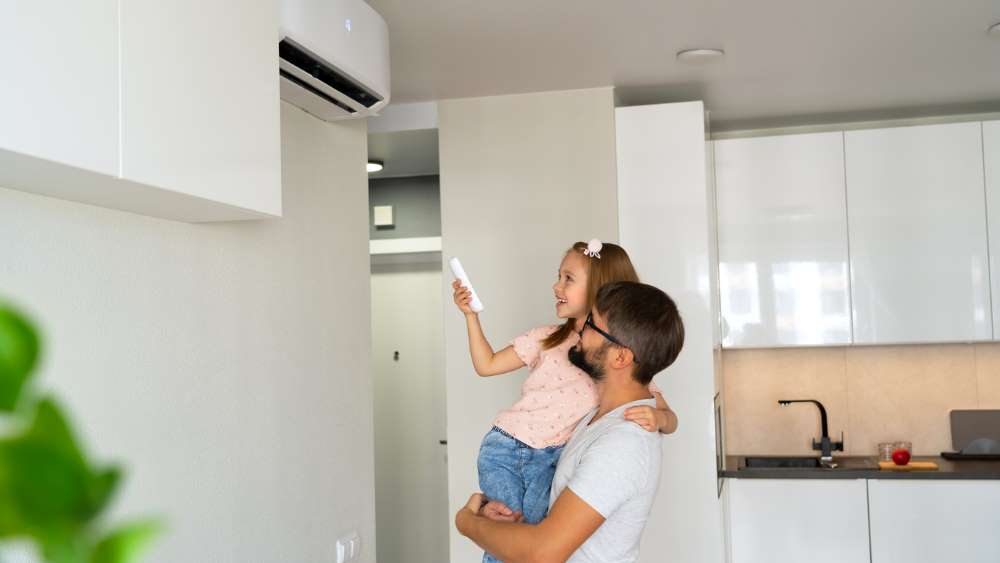
Air conditioning is a great way to stay comfortable indoors during hot summer months. A good air conditioner keeps the heat out, making every room cool and inviting. Investing in a quality air conditioning unit helps reduce humidity and improves air circulation, making your home more breathable.
For air conditioner installation Calgary, it's important to hire a professional. They can ensure your unit works efficiently by calculating the right size and placement. Proper installation boosts cooling performance and extends the system's lifespan, giving you years of comfort.
Let's learn how to lower your home's temperature.
Window Treatments
Window treatments are important for keeping your home cool. Blinds or curtains can block sunlight and help reduce heat gain. Look for energy-efficient options that reflect sunlight or absorb heat. Some fabrics even block UV rays, protecting your furniture from fading while keeping the temperature down.
Additionally, consider using light-colored or reflective materials, as they help bounce sunlight away from your home. Installing blackout curtains can block out heat during the hottest parts of the day. When the sun sets, open them to let in the evening breeze, enhancing your comfort without adding to cooling costs.
Proper Ventilation
Good ventilation keeps your home cool, especially in hot areas. To improve air circulation, open windows during cooler times, such as early morning or late evening. This lets fresh air in and pushes warm air out.
Using ceiling fans helps, too. Fans circulate the cool air from your air conditioner or the draft from open windows. Run fans counter-clockwise to push air down and create a cooling breeze without lowering the temperature too much.
Insulation Matters
Good insulation also helps keep your home cool. It keeps heat from entering your walls, ceilings, and floors. This helps your air conditioner run more efficiently. If your home lacks insulation, consider adding insulation in attics or crawl spaces where heat builds up.
Sealing gaps around windows and doors also improves insulation. Use weatherstripping or caulk to block hot air from entering, so you maintain the coolness you've created. This gives you a more comfortable space to relax.
Use Appliances Wisely
Everyday appliances can raise the temperature in your home, especially in summer. Ovens, stoves, and incandescent light bulbs can generate significant heat. By using energy-efficient appliances and cooking methods, you can keep extra heat to a minimum.
When cooking, use a microwave or slow cooker on very hot days. They produce less heat than a traditional oven or stove, helping to keep your kitchen cooler. Replacing old light bulbs with energy-efficient LEDs can also reduce heat and lower your energy bills.
Use Natural Cooling Techniques
You can stay cool at home by using natural methods that make the most of your surroundings. One effective way is to create cross-ventilation. Open windows and doors to encourage airflow, letting cool breezes in and hot air out.
Another method is to use water for cooling. Place bowls of ice in front of fans to lower the temperature as air blows over them. You can also wet a cloth and put it around your neck or wrists for immediate relief and to help you stay cool.
Change Your Routine
Adjusting your daily activities can also keep your home cooler. Try to avoid heavy work during the hottest times of the day, usually between 10 a.m. and 4 p.m. If possible, do chores and outdoor tasks in the morning or late afternoon when it's cooler.
Consider using your air conditioner wisely. Instead of running it all day, turn it on only during the hottest hours. You can also open windows and use fans together to effectively cool your home. By being aware of your daily routine, you can reduce heat indoors and stay morecomfortable.
Landscaping for Shade
Smart landscaping can help cool your home naturally. Planting trees, shrubs, or vines around your home provides shade and blocks direct sunlight, lowering the temperature. Place larger trees to the south and west of your home for maximum shade during the hottest parts of the day.
Outdoor structures, such as pergolas or awnings, can create shaded areas for patios or windows. A shaded home needs less air conditioning, so you can stay cool while saving money on energy costs.
You don't have to struggle to keep your home cool. Simple changes can make your living space comfortable during hot months. Each small improvement not only boosts your comfort but also makes your home more efficient. Remember, small changes can make a big difference in your environment.