



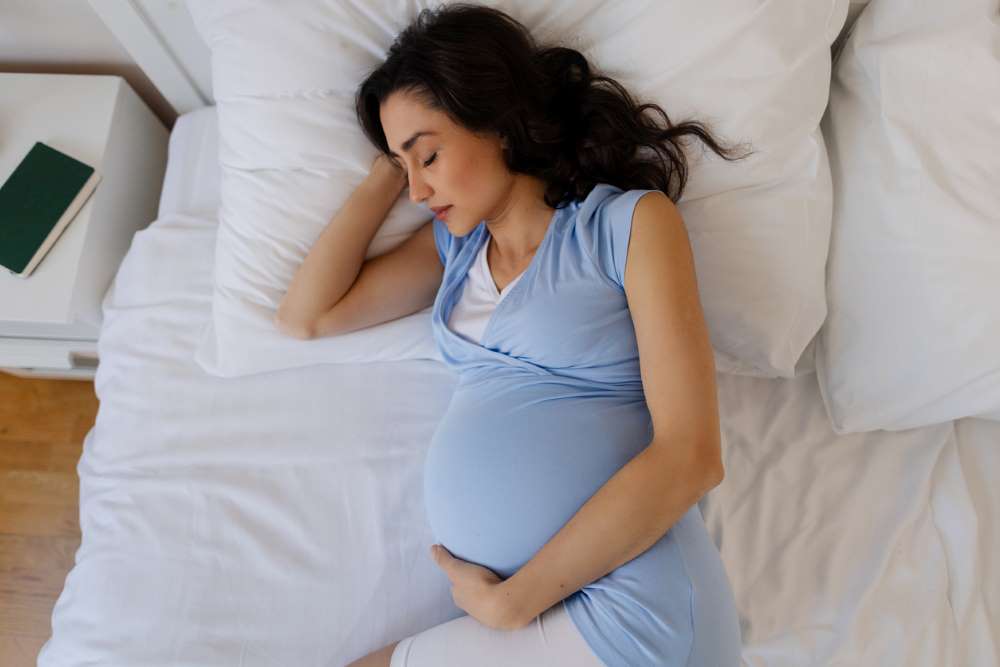
Pregnancy has a way of making familiar things suddenly feel unfamiliar, and sleep is often one of the first casualties. The position that used to be comfortable no longer works, your hips might ache, your lower back can feel tight, and getting settled can become a nightly negotiation between your body, the mattress and an increasingly elaborate collection of pillows.
That’s why many expectant parents eventually start looking for ways to find the right pregnancy pillow rather than continuing to improvise with whatever cushions happen to be on the bed. The right support won’t magically solve every sleep problem, but it can make a noticeable difference when your body needs more help staying comfortable through the night.
Sleep Changes Because Your Body Is Changing
The further pregnancy progresses, the harder it can be to maintain the same sleeping habits you had before. Your centre of gravity shifts, your abdomen grows, and areas such as the hips, pelvis and lower back can start carrying more strain than usual. Even simple movements like rolling over can become more awkward, especially later in pregnancy, and when you add in things like heartburn, leg cramps, frequent bathroom trips and temperature changes, uninterrupted sleep can start to feel much harder to come by.
This is one of the reasons many people begin experimenting with different sleeping positions, extra cushions or a more structured support setup. What worked perfectly before pregnancy may no longer suit the way your body now needs to rest, so being willing to adjust rather than stubbornly sticking with an old routine can make nights much more manageable.
Positioning Can Make a Big Difference
A lot of pregnancy comfort comes down to reducing pressure and supporting the body more evenly. Side sleeping is often recommended later in pregnancy, but that doesn’t necessarily mean it feels comfortable straight away. Supporting the belly, placing a cushion between the knees and keeping the spine in a more neutral position can all help reduce that twisted feeling through the hips and lower back.
Some people prefer full-length body pillows, while others like wedge-shaped supports that can be positioned under the belly or behind the back. There isn’t one design that suits everyone because body shape, sleeping style and personal preference all play a role. The best setup is usually the one that gives you support without making you feel boxed in or forcing you into one rigid position all night.
Your Bed Setup Might Need to Change Too
Sometimes the problem isn’t only the pillow. A mattress that once felt perfectly comfortable may suddenly feel too firm or too soft when your body is more sensitive. If replacing the mattress isn’t realistic, a topper can sometimes help adjust the feel of the bed without requiring a complete overhaul. Bedding also deserves attention, because pregnancy can make some people feel warmer at night, so heavy quilts, synthetic fabrics or poor airflow can become uncomfortable surprisingly quickly.
Using lighter layers can give you more control over temperature and make it easier to adjust throughout the night. Even seemingly small details such as the height of your bedside table or how easy it is to reach water can make a difference when getting comfortable already requires more effort than usual.
Build a Wind-Down Routine That Actually Fits Your Life
Sleep advice often sounds very idealistic: no screens, no caffeine, a perfectly dark room and a relaxing bath every night. Real life is usually messier than that, so it’s often more useful to choose a few habits that are genuinely sustainable. That might mean dimming the lights earlier, stretching gently before bed, putting your phone down twenty minutes sooner or keeping a glass of water and anything else you need within easy reach.
The goal isn’t to create a flawless bedtime routine. It’s to make the transition into sleep a little easier and reduce the amount of unnecessary disruption once you’re already in bed. If one or two small adjustments help you settle faster or wake less often, that’s a worthwhile improvement without turning bedtime into another thing you need to perform perfectly.
Make Getting In and Out of Bed Less Awkward
As pregnancy progresses, even getting out of bed can take more effort than expected. Instead of trying to sit straight up, rolling onto your side and using your arms to push yourself upright can often feel easier on the abdomen and back. Keeping the path to the bathroom clear is also worth thinking about, especially when those middle-of-the-night trips become more frequent.
A bedside table positioned within easy reach can make things more convenient too. Water, tissues, medication if required, lip balm and your phone charger are all easier to manage when you don’t have to twist, stretch or fully wake yourself up just to grab them.
Comfort Is Personal, So Experiment
The frustrating part about pregnancy sleep is that what works one week might not work the next. A position that felt ideal at twenty-four weeks may suddenly feel impossible later on, and that doesn’t mean you’re doing anything wrong. Your body is changing quickly, and your sleep setup may need to change with it.
Try different combinations of support, adjust pillow placement and pay attention to where you’re waking up sore. Sometimes moving a pillow by a few centimetres makes more difference than buying something entirely new. Better sleep during pregnancy doesn’t necessarily mean perfect sleep; it simply means creating a setup that works with your changing body rather than fighting against it, and even small improvements can feel surprisingly significant.