



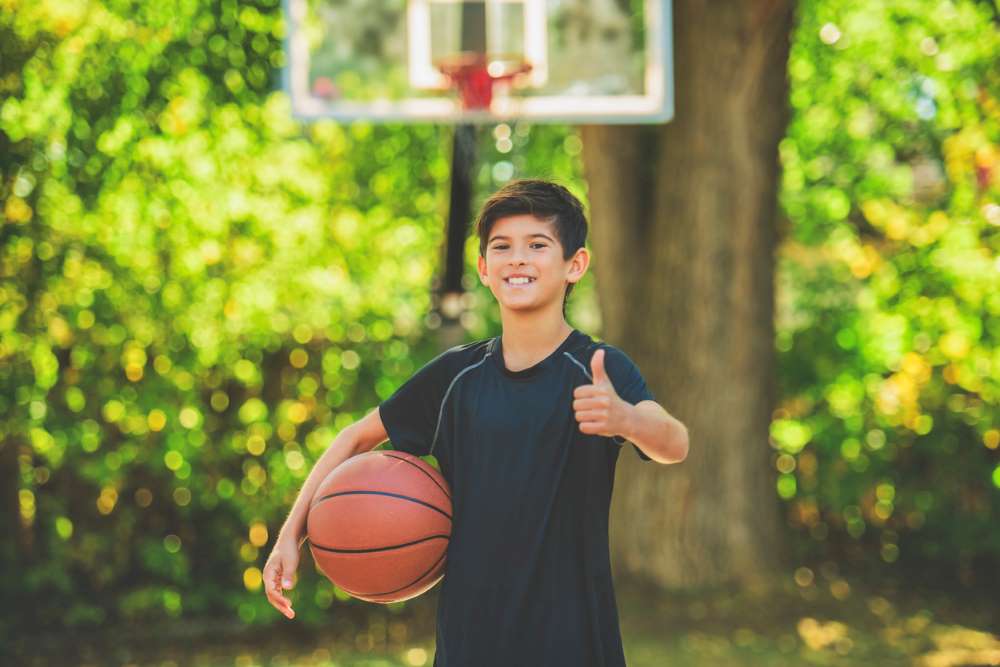
Children between the ages of three and six are naturally curious and full of energy. Sitting indoors for too long rarely works for them. They learn best when they can move, explore, and interact with the world around them.
In this blog we are going to look at simple outdoor games that help young kids stay active while also building social, physical, and thinking skills.
Why Are Outdoor Games Important for Kids?
Outdoor play helps young children develop strength, coordination, and confidence in ways that indoor activities often cannot. Running, jumping, balancing, and working with other kids improves motor skills and social development at the same time. It also gives children a chance to release energy, explore freely, and learn how to follow simple rules during play.
Outdoor Game Ideas for Kids
Here are some of the best outdoor game ideas for kids:
Classic Games
1. Hide-and-Seek
Hide-and-seek is one of the simplest games children can play outdoors. One child counts while the others find places to hide, and the seeker then tries to locate everyone.
For younger children, the game teaches patience and observation. They learn how to wait quietly, think about where to hide, and pay attention to their surroundings. It also encourages movement and excitement without requiring any equipment.
2. Jump Rope
Jump rope is a great activity for kids who enjoy movement and rhythm. A simple rope is enough to start. Children can jump alone or take turns while others swing the rope.
This game improves balance, coordination, and timing. For kids between three and six years old, even basic jumping builds leg strength and helps them understand body control.
3. Simon Says
Simon Says is a listening game that can be played almost anywhere. One child or adult gives instructions such as “Simon says jump” or “Simon says clap your hands.” Players only follow the action when the phrase “Simon says” is used.
This game helps young children improve listening skills and attention. They also learn to pause and think before reacting, which builds early self-control.
4. Hopscotch
Hopscotch is played by drawing numbered squares on the ground using chalk. Children take turns hopping across the pattern on one foot or both feet depending on the number layout.
The game helps improve balance and coordination. It also introduces simple counting and turn-taking, which are important social skills at this age.
Team Sports
1. Soccer
Soccer works well even for very young children when played in a relaxed way. Instead of strict rules, kids can focus on kicking the ball toward a goal or passing it to a teammate.
This game helps develop coordination and teamwork. Children learn how to share the ball, move together, and stay active while running around the field.
2. Basketball
For younger kids, basketball can be simplified by using a lower hoop or even a bucket as the target. Children can practice throwing or rolling the ball toward the goal. This activity improves hand and eye coordination. One of the key benefits of basketball is that it encourages physical activity while also teaching patience and persistence, as kids try multiple times to get the ball into the basket.
3. Football
A light version of football works well for small groups. Kids can practice running with the ball, passing it to friends, or simply playing short matches with simple rules.
The game encourages teamwork and quick movement. It also helps children understand the idea of working together toward a shared goal.
4. Volleyball
For young children, volleyball can be played with a soft ball and a low rope or line acting as the net. The goal is simply to toss or tap the ball across to the other side.
This game improves hand coordination and reaction time. It also helps kids learn how to cooperate during group play.
Creative and Imaginative Play
1. Building Forts
Building forts is a favorite outdoor activity for young kids. Using cardboard boxes, blankets, or small branches, children can create their own little hideouts.
This type of play encourages creativity and problem solving. Kids learn how to work together, experiment with structures, and use their imagination to turn simple materials into something exciting.
2. Treasure Hunt
A treasure hunt can be created by hiding small objects around the yard or playground. Children follow clues or simple instructions to find each item.
This game builds curiosity and observation skills. It also encourages kids to move around while searching and exploring different areas.
3. Adventure Trail
An adventure trail is a playful obstacle path where children move from one activity to another. For example, they might crawl under a rope, step over small objects, and run to a finish point.
This activity builds confidence and physical coordination. It also keeps children engaged because each part of the trail offers a new challenge.
Games For a Hot Summer Day
1. Water Balloon Toss
In this game, children toss a water balloon gently back and forth without dropping it. With each round they step slightly farther apart.
The activity teaches careful movement and teamwork. It also helps kids stay cool while enjoying outdoor play during warm weather.
2. Sponge Pass
For sponge pass, children form a line and pass a wet sponge from one person to the next until it reaches a bucket. The goal is to transfer as much water as possible.
This game encourages cooperation and quick coordination. It also adds a fun splash element that keeps children engaged.
3. Water Cup Relay
In a water cup relay, children carry a small cup of water from one bucket to another while walking or running carefully. The challenge is to spill as little water as possible.
This activity helps develop focus and balance. It also introduces the concept of teamwork when played in groups.
Closing Thoughts
Outdoor games give young children more than just entertainment. They help build strength, creativity, social skills, and confidence during an important stage of development. Simple games played outside can turn everyday playtime into meaningful learning experiences while keeping kids happy and active.