


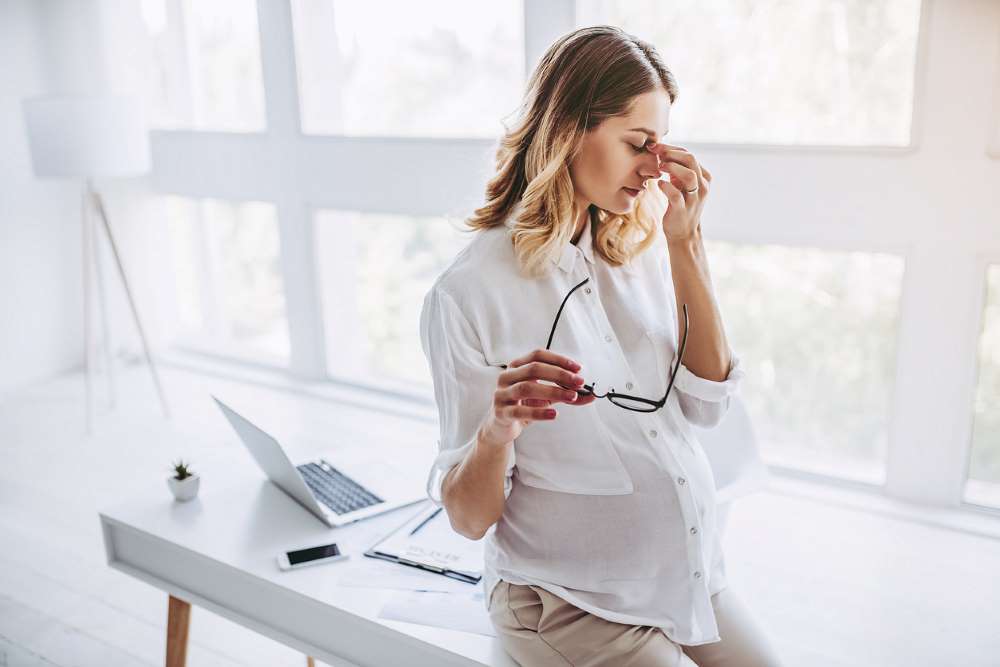
Pregnancy brings many changes to the body, some expected and others surprising. While most people focus on physical and emotional shifts, changes in vision are often overlooked. Yet for many women, pregnancy can affect how the eyes feel, how clearly they see, and how comfortable daily activities like reading or driving become.
These changes are usually temporary and harmless. Still, they can be confusing if you are not expecting them. Understanding what is normal and what might need medical attention helps you stay calm and take the right steps when needed.
This guide walks through how pregnancy can affect your eyes, what symptoms to watch for, and how to protect your vision during this time.
How Pregnancy Affects Vision
During pregnancy, the body goes through significant hormonal and physical changes. These shifts can influence the eyes in subtle ways.
Hormonal fluctuations can affect tear production, leading to dryness. Fluid retention can change the shape of the cornea, which may slightly alter how light enters the eye. Blood circulation also changes, which can impact the tiny vessels in the eyes.
Because of this, some women notice that their vision feels slightly different at various stages of pregnancy. These changes are usually temporary and tend to resolve after delivery.
Temporary Vision Changes
Many eye-related symptoms during pregnancy are mild and manageable. They often come and go and do not indicate a serious problem.
Blurred Vision
Fluid retention can slightly change the curvature of the cornea. Even small changes can affect how clearly you see.
You might notice that things look a bit out of focus, especially after long periods of reading or screen use.
Dry Eyes
Hormonal changes can reduce tear production, leading to dryness. This can cause irritation, a gritty feeling, or mild discomfort.
Women who normally wear contact lenses may find them less comfortable during pregnancy.
Light Sensitivity
Some pregnant women become more sensitive to bright light. This can make outdoor environments or screens feel harsher than usual.
Wearing sunglasses and reducing screen brightness can help manage this.
Astigmatism Changes
Pregnancy can also affect the shape of the cornea, which may temporarily alter existing astigmatism. This can lead to slight fluctuations in vision clarity.
For people who use contact lenses, newer options such as Acuvue Oasys for astigmatism are designed to provide stable vision even when minor changes occur. However, it is always best to consult an eye care professional before making adjustments during pregnancy.
Vision Problems That May Indicate Health Issues
While most vision changes during pregnancy are harmless, some symptoms can signal underlying health conditions that require immediate attention.
Gestational Diabetes
Gestational diabetes can cause swelling in the eye’s lens, which may lead to blurred or fluctuating vision.
In many cases, this type of vision change improves once blood sugar levels are controlled. Regular monitoring and early detection are important.
Preeclampsia
Preeclampsia is a serious condition that affects blood pressure during pregnancy. It can also impact vision.
Symptoms may include:
-
Blurred vision
-
Seeing flashes of light
-
Spotting or floaters
-
Temporary vision loss
These symptoms should never be ignored. If they occur, medical attention is needed immediately.
When to See a Doctor
It can sometimes be difficult to tell the difference between normal changes and warning signs.
While mild symptoms are common, you should seek medical advice if you experience:
-
Persistent blurred vision that does not improve
-
Sudden or partial vision loss
-
Flashes of light or a sudden increase in floaters
-
Severe headaches combined with vision problems
These symptoms may be linked to underlying health issues and should be evaluated as soon as possible.
Protecting Your Eye Health During Pregnancy
Taking care of your eyes during pregnancy does not require major changes, but a few simple habits can make a noticeable difference.
Schedule Regular Eye Exams
If you notice changes in your vision, consider booking an eye exam. Even if the changes are temporary, it is helpful to have a professional assessment.
Stay Hydrated
Drinking enough water helps reduce dryness and supports overall eye comfort.
Use Lubricating Eye Drops
Artificial tears can relieve dryness and irritation. Always choose products that are safe for use during pregnancy and consult your doctor if unsure.
Some women also look into an eye health supplement for clear vision to complement their routine, though it is worth checking with a doctor first since supplement needs can shift during pregnancy.
Manage Blood Pressure and Blood Sugar
Keeping these levels stable is important not only for your overall health but also for your vision.
Wear Sunglasses
Sunglasses help reduce glare and protect your eyes from bright light, especially if you are experiencing increased sensitivity.
After Pregnancy
The good news is that most vision changes during pregnancy are temporary.
After delivery, hormone levels gradually return to normal. As this happens, the eyes usually return to their previous state. Blurred vision clears, dryness improves, and sensitivity to light decreases.
However, if vision problems continue several months after childbirth, it is important to see an eye specialist. Persistent symptoms may indicate an issue unrelated to pregnancy.
Conclusion
Pregnancy affects the body in many ways, and the eyes are no exception. From mild dryness to temporary changes in vision, these shifts are usually normal and manageable.
The key is knowing what to expect and recognizing when something may need medical attention. Most symptoms resolve naturally, but staying aware and proactive ensures that both your eye health and overall well-being are protected.
By paying attention to these changes and taking simple steps to care for your eyes, you can stay comfortable and confident throughout your pregnancy journey.