



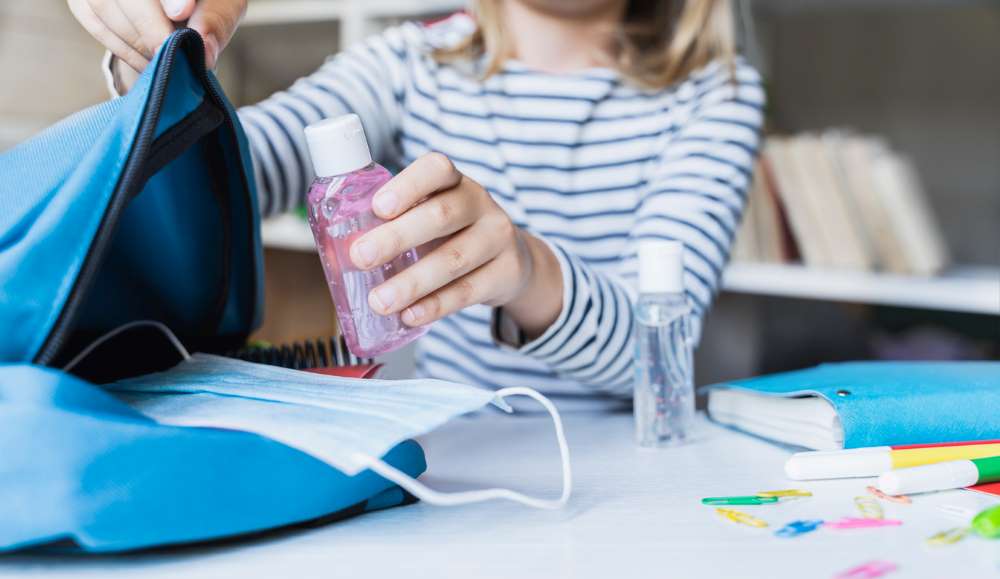
Schools give children opportunities to learn, play, and build friendships, but they also bring large groups of students together in shared spaces. With so many hands touching the same surfaces, germs can spread quickly if simple hygiene practices are overlooked. Knowing where germs are most likely to collect helps families and schools take practical steps to reduce the risk of illness.
High-Touch Classroom Surfaces
Classrooms contain many objects that students handle throughout the day. Desks, chairs, pencils, markers, computer keyboards, tablets, and shared learning materials are touched repeatedly by multiple children.
Encouraging students to wash their hands before meals, avoid touching their faces, and use hand sanitizer when soap and water are unavailable can help reduce the spread of germs. Teachers can also remind students not to share water bottles, utensils, or personal items.
Cafeterias and Lunch Areas
Lunchrooms are another common location for germ transmission. Tables, trays, condiment stations, and refrigerator handles may be used by hundreds of students each day.
Children should wash their hands before eating and after clearing their trays. Cleaning up food spills promptly also helps reduce the growth of bacteria while keeping eating areas safer for everyone.
Restrooms Need Extra Attention
School restrooms require frequent cleaning because they're used throughout the day. Faucet handles, door handles, toilet flush levers, and paper towel dispensers are touched often, making proper handwashing important.
Children should wash their hands with soap and water for at least 20 seconds, dry them completely, and use a paper towel to turn off the faucet. These habits help limit the spread of germs after leaving the restroom.
Shared Spaces Beyond the Classroom
Libraries, gymnasiums, playgrounds, music rooms, and school buses all include frequently touched surfaces. Handrails, sports equipment, books, lockers, and bus seats can collect germs as students move between activities.
Schools often reduce these risks through routine disinfecting schedules and professional cleaning services that focus on high-traffic areas. Combined with good personal hygiene, these efforts help create a healthier learning environment.
Healthy Habits Make a Difference
Children cannot avoid every germ, and some exposure helps support normal immune system development. Simple daily habits such as washing hands, covering coughs and sneezes, staying home when sick, and avoiding sharing personal items remain some of the most effective ways to reduce illness.
When schools, families, and students work together to practice good hygiene, classrooms become healthier places where children can focus on learning. Look over the infographic below to learn more.