



Adaptability is an essential attribute of any good parent; you need to be able to adapt quickly and comfortably to changing situations, and one of the things many moms and dads learn is that their kids start to change a lot as they grow older.
As they enter their teenage years, the little boys and girls you once knew start to become much more independent and driven, developing their own unique character traits and learning key skills that will help them look after themselves later in life.
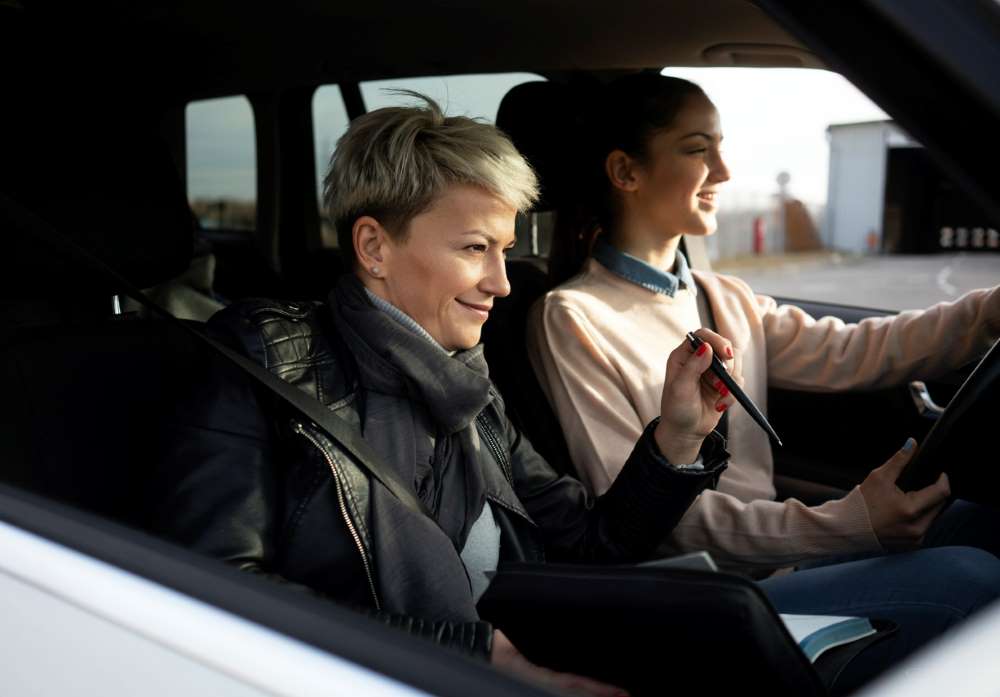
One of those skills is driving, and any parent with a young adult in the house will probably have to deal with the fact that their child wants to learn how to drive. It can be quite a scary thought to imagine your little one all grown-up behind the wheel of a car, but if you approach the situation carefully, you can help your teen become a safe, sensible, confident driver.
This is where that adaptability comes into play; being adaptable is a big part of helping your kids learn how to drive, as you need to be able to be a teacher, parent, and guide, all at once. With this in mind, here are some useful tips for every parent to consider when teaching teens to drive.
Safety First
One of the biggest causes of death among teens is auto accidents. It's a grim statistic, but a true one, and a big reason behind it is the fact that many teens take to the roads without quite understanding or acknowledging the real risks and dangers they face.
As a parent, it's your job to stress the importance of safety. At school and with their friends, teens might be exposed to other young drivers who don't wear seatbelts, fail to heed speed limits, drive recklessly on the most dangerous days of the year, and so on, and it's up to you to help them learn safe driving practices and follow the rules.
Put Yourself in Their Position
A good tip for any parent teaching their kids to drive is to remember what it was like when you were younger and try to put yourself in their shoes. Think about how nervous or apprehensive they might be, and how it might feel to have a jittery parent sitting beside you while you take your first driving lessons.
A little empathy can go a long way in this situation, and many moms and dads find that it helps them a great deal to consider how their kids must be feeling and try to respond and react in ways that reassure them, while still being able to point out when mistakes are made or take action in any dangerous or risky situations.
Stay Alert
If you're in the car with your child behind the wheel, you definitely shouldn't let yourself get distracted or lose focus in any way, shape, or form. You might not be the one controlling the vehicle, but you're still the only one with real driving experience and skills, so you have to serve as an alert, authoritative presence.
Don't get distracted by looking at your phone or failing to keep an eye on the road around you. Keep your attention levels high, as if you were the one driving the car, and help your child feel more comfortable by serving as a second set of eyes and ears to alert them of any dangers or risks.
Be Patient
Patience is most definitely a virtue when it comes to teaching teens to drive. Remember that every young adult responds differently the first time they sit behind the wheel of a car. Some of them will be confident, upbeat, and enthusiastic, taking to driving like a duck to water, while others will be much more nervous and cautious, needing much more time just to understand the basics.
It's up to you to learn about what kind of learner your child will be and have the patience to help them along the way. So, if your teen needs a little more time or makes some mistakes early on, accept that face and remain patient.
Don't Get Angry
Following on from the previous point about patience, it's also important to avoid losing your temper or getting angry and anxious while driving with your teen. This echoes a point made earlier on about putting yourself in their shoes; just imagine how uncomfortable it would feel for your teen if you're yelling at them or freaking out every time they make a mistake.
No teen can truly feel at ease if they worry that their parent-teacher is going to get mad every time they do something wrong. You need to be able to accept that your child will make some mistakes and try to respond in a way that helps them learn and improve, rather than making them fearful or anxious. An anxious teen will be likely to make more mistakes, rather than actually getting better.
Take It Slow
Another key factor to bear in mind when teaching teens to drive is to take things very slowly, and this applies in any situation. Even if your teen seems like a natural driver and responds well to lessons, learning new skills with apparent ease, it's still wise to take your time and go over the basics, again and again, to make sure they learn the core skills.
A good way to begin is to visit an empty parking lot and let your teen learn the first skills of driving, showing them around the car, how to turn it on, how to accelerate, brake, and so on. From there, you can progress to driving along quiet streets and slowly building up to busier locations. Moving too fast might lead to your teen feeling stressed or overwhelmed.
Conclusion
Teaching a teen to drive can feel like quite an intimidating challenge for a lot of parents, but it can actually be a richly rewarding experience, as long as you approach it the right way. Keep these tips in mind and have the best time when helping your teen.