



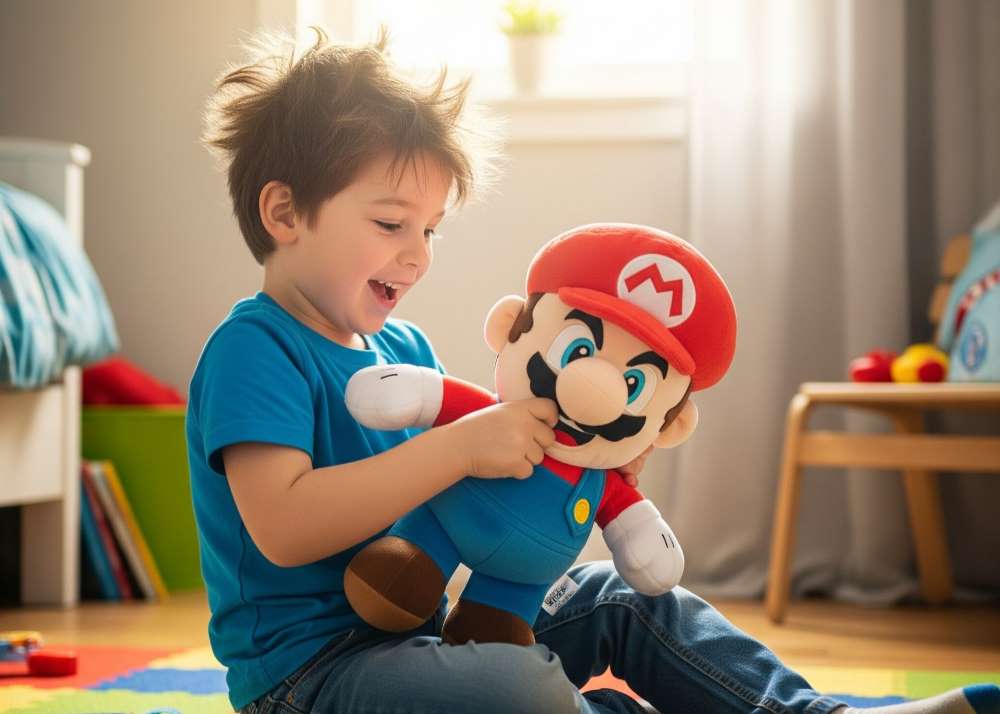
Offering a video game plush to a child means bringing a piece of their favorite virtual universe into the real world. These toys act as a bridge between the screen and everyday life, allowing children to develop their imagination by recreating scenes from their favorite games. Unlike action figures, video game plushies offer a soft and comforting presence, ideal for cuddling. They quickly become reassuring companions for the little ones.
The most popular video game plushies
The world of video games is vast and populated by iconic characters who have rocked generations of players. From classic arcade heroes to modern champions, some of these figures have achieved a special status that transcends the screen. This popularity makes them particularly sought after when it comes to video game plushies. These soft toys are no longer just for children; they have become true collector's items for enthusiasts of all ages, representing a tangible connection to beloved digital adventures.
The timeless Mario plush
The famous plumber with the red cap is an undeniable star among children and adults alike. A Mario plush is a safe bet, recognizable by all and synonymous with adventure in the Mushroom Kingdom. Its bright primary colors and friendly smile make it a perfect companion for the youngest, while older fans appreciate it as a nostalgic collector's item. Characters like his brother Luigi, Princess Peach, and the adorable Toad are also popular choices.
Sonic, the blue hedgehog
Known for his incredible speed and rebellious attitude, Sonic is another flagship character who has made the leap from screen to plush. A Sonic video game plushie appeals to children who love action, speed, and adventure. Its dynamic design and iconic blue color make it easily identifiable, representing a spirit of freedom and heroism that continues to captivate.
Pokémon: catch 'em all!
The Pokémon universe is incredibly rich, with hundreds of unique creatures to collect, making it a goldmine for plush toy lovers. Pikachu, the electric mouse and franchise mascot, remains a perennial favorite. However, the original starters like Charmander, Squirtle, and Bulbasaur, as well as newer favorites like Eevee, are also highly sought after. These video game plushies allow children to imagine themselves as real Pokémon trainers, creating their own stories of capture, training, and friendship.
How to choose the right video game plush
Selecting the perfect video game plushie requires close attention to several specific details to ensure a quality and appropriate gift. First and foremost, safety must be a priority, especially for the youngest children. Opt for models without small, detachable parts, such as plastic eyes, and check that the seams are sturdy enough to withstand energetic play. The materials should be hypoallergenic to prevent skin reactions, and the presence of the CE mark certifies that the toy complies with European safety standards. Quality and durability are also essential. A good plush toy is made from soft yet hard-wearing fabrics, with dense stuffing that allows it to retain its original shape even after many cuddles and washes. Finally, to ensure you get it right, the most important criterion remains the child's preferences. Discreetly observing their favorite characters in video games or cartoons will give you valuable clues to find the video game plushie that will become their inseparable companion.
The benefits of video game plushies for development
Beyond their purely playful aspect, video game plushies play a significant role in a child's overall development. They are powerful catalysts for creativity and imagination. By taking hold of their hero, children do not just replay known scenes; they invent new quests and original dialogues, building complex narrative worlds where their character is the protagonist. This form of free role-playing is fundamental for cognitive development. Moreover, these soft companions help develop a sense of responsibility. The child learns to "take care" of their plushie, which can translate into symbolic gestures like feeding it, putting it to bed, or comforting it. These daily rituals teach empathy and the notion of commitment to others. Finally, on an emotional level, the plushie is an essential anchor. It provides a tangible sense of security, becoming a silent confidant to whom the child can express their joys, sorrows, or anxieties without fear of judgment, which is a valuable tool for learning emotional regulation.