



A rear-end crash can feel minor until you glance in the rearview mirror and see your child's face in the back seat. Having a clear plan of action helps maintain control when your natural reaction is to completely spiral.
Traffic accidents involving kids are a growing concern in the community. Local authorities report a 245% increase in students hit by cars since last August, and Clark County logged over 400 student-involved incidents during the school year alone. Those numbers are staggering. Feeling shaken after your child is in a collision isn't overreacting; it's the right response. But a few clear, immediate steps can protect your child's health and set you up for everything that follows.
You're also not alone in worrying about what might show up later. The sudden jolt of a crash creates forces that developing bodies handle very differently from those that adult bodies handle. Pediatric concussion signs can take hours or even days to surface, which is why vigilance after the fact matters just as much as what you do at the scene. Local leaders are taking these risks seriously, too, keeping school-zone flashers active through the summer and increasing penalties in active zones. The good news? A few straightforward actions can help you effectively monitor your child's well-being.
Check Your Child First and Get to a Safe Place
Start With Safety, Not Assumptions
After an impact, your first priority is moving your vehicle to a safe location if you can. Even low-speed rear-end crashes can jolt a child's head and neck violently forward and backward (think of it like a bobblehead effect, except the stakes are terrifyingly real). Research from the NHTSA indicates that installing and using an infant car seat correctly lowers a baby's risk of a fatal injury by 71%.
Because that whiplash-type movement can lead to soft-tissue trauma, limit your child's movement if they're complaining of severe pain. Focus on immediate physical safety before worrying about insurance calls or vehicle damage.
When Emergency Care Makes Sense
Should you head to the emergency room, swing by an urgent care clinic, or wait and call the pediatrician? The answer mostly depends on the severity and suddenness of the physical signs your child is showing. The CDC advises seeking emergency evaluation for any loss of consciousness, full stop. If your child has neck pain, trouble breathing, or heavy bleeding, wait for emergency responders rather than trying to drive somewhere yourself.
Here are the specific situations where immediate emergency attention is the safest call:
-
Your child loses consciousness, seems extremely sleepy, or is hard to wake.
-
Your child is vomiting, has a seizure, a severe headache, or pain that's getting worse rather than better.
-
Your child has trouble walking, talking, seeing, or using an arm or leg normally.
-
Your child has neck pain, trouble breathing, heavy bleeding, or any symptom that feels serious or unclear to you.
Watch for Concussion Signs That May Look Like Behavior Changes
Why Symptoms May Show Up Later
Kids frequently seem perfectly fine in the minutes right after a minor fender-bender. Ask any pediatric ER doctor, and they'll tell you the same thing: the quiet period right after the crash is often the most deceptive. Closed-head injuries can happen even when the head doesn't visibly strike anything inside the vehicle. As adrenaline wears off, swelling or inflammation in the soft tissues can cause pain to emerge over hours or days.
The protective benefits of child restraints are real; proper seats reduce toddler fatal injuries by 54%. This critical data underpins the strict standards updated in the 2026 Nevada Child Passenger Safety Laws, which aim to protect developing bodies from the hidden forces of collisions. Even so, keep a very close eye on your child for at least two full days following the crash to catch any delayed symptoms.
What Concussion Can Look Like in a Child
Younger kids simply don't have the vocabulary to tell you they've got blurred vision or a splitting headache. Instead, toddlers often show symptoms through unusual crying, changes in eating, or the loss of newly acquired skills (for example, a child who just learned to walk might suddenly refuse to stand). You might notice them acting unusually clingy, refusing their favorite foods, or showing a new sensitivity to light or noise. If your child seems dazed, forgets simple things, or sleeps way more than usual, those are genuine warning signs. Trust your parental instincts if your child just seems "off" after an accident.
Know When to Call the Pediatrician, Even if the Crash Seemed Minor
Red Flags That Deserve a Same-Day Call
Mild headaches, nausea, or complaints of dizziness warrant a same-day call to your child's primary care doctor. Sound familiar? You'd be surprised how many parents talk themselves out of making that call because the crash "wasn't that bad." Physical safety regulations help minimize these risks, which is why Nevada law requires children under age two to ride in rear-facing seats. But even well-restrained children can still experience brain jolts that lead to unusual fatigue or emotional changes. School or screen intolerance can also signal an underlying pediatric brain injury, so if symptoms seemed to improve and then come back, call the doctor right away.
What to Tell the Doctor
When you're on the phone with the pediatrician, be specific about where your child was sitting at the time of impact. Detail the type of restraint used, noting that Nevada requires approved restraints for qualifying young children. Describe whether your child's head moved forward or backward suddenly when the other vehicle struck yours. Mention the exact time any symptoms started and whether they grew worse as the day went on. Providing this specific timeline helps the medical team determine the best course of action and prevents you from forgetting crucial details later, when stress clouds your memory.
Here's a quick reference for deciding your next step based on what you're seeing:
|
Loss of consciousness, seizure, trouble breathing, severe headache, repeated vomiting |
Call 911 / ER |
May indicate a serious emergency |
|
Child seems "off," mild headache, neck pain, irritability, dizziness, or sleep changes |
Call pediatrician same day |
Delayed symptoms still need evaluation |
|
No symptoms yet, but child was jolted and is very young or can't clearly explain how they feel |
Call pediatrician for guidance |
Young children may not describe symptoms well |
|
No symptoms and no concerning signs, but you're unsure |
Call pediatrician or nurse line |
Reasonable to ask for guidance after a crash |
Don't Throw Away the Car Seat
Why the Car Seat Still Matters
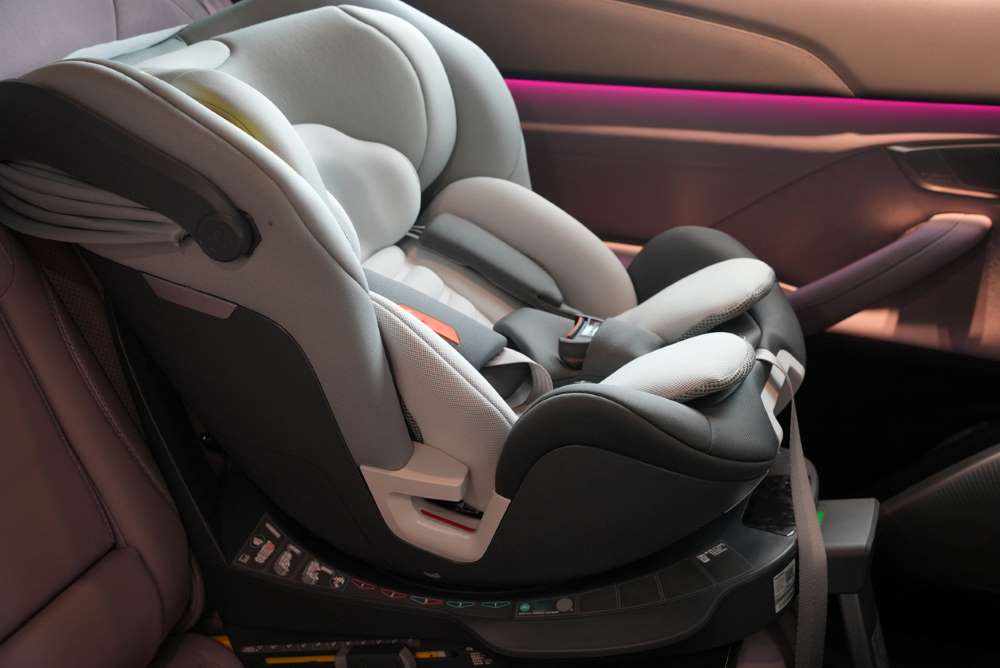
Many parents quickly clean out their vehicle or toss damaged items after a collision. That's understandable, but don't do it with the car seat. NHTSA guidelines require replacing car seats after moderate or severe crashes, and there's a good reason for that: structural damage to the plastic shell or internal foam is rarely visible to the naked eye. On top of that, the seat may also help show how your child was restrained at the time of impact. Don't donate, throw away, or deep clean the seat until you know your next safety and insurance steps.
What Parents Should Save
Store the damaged car seat safely in a garage or closet where it won't get disturbed. Take photos of the seat while it's still installed in the crashed vehicle; once you move it, you lose that documentation forever. Traffic accident documentation matters, especially since Nevada enforces child restraint requirements by law. Save the car seat's model and serial number along with any vehicle repair estimates you receive. Also, capture a screenshot of your insurance claim number on your phone so you always have it within reach.
If you're wondering how upcoming regulatory changes might affect your family, take a look at the Nevada child passenger safety laws set to take effect in 2026. They cover new requirements and legal timelines for crashes involving children, and they're worth knowing before those changes kick in.
Keep Simple Notes on Symptoms, Appointments, and Questions
A Few Notes Now Save You Stress Later
Writing down a few quick details while your memory is fresh will save you real headaches down the road. Physical and emotional symptoms can shift over time, making a timeline incredibly valuable for pediatricians. Doctors use these detailed timelines to make safer decisions about when a child can return to sports or normal activity. A simple notebook (or even the Notes app on your phone) is often your best tool for tracking your child's recovery.
What to Write Down
Document the date, the exact time of the crash, and any visible marks on your child. Record all phone calls with the pediatrician, urgent care visits, and every dose of medication you give. Tracking missed school days and behavioral changes ensures you have all the facts ready for follow-up appointments, and you'd be surprised how quickly you forget the specifics once a week goes by. If you need a refresher on Nevada's current child passenger rules, the Nevada DMV restraint guide covers those requirements.
The First Few Days Matter Most
You don't need to figure out every single detail or answer every question on day one. Your only job right now is to prioritize safety, seek medical care, and watch your child closely. State leaders clearly share these priorities; school-zone flashers remain active to reduce student traffic accidents reported locally. Keep the damaged car seat secured, and remember that behavior changes are often the clearest indicator of injury.
Because doctors rely on parental observation more than almost anything else, always call your pediatrician if something feels wrong. You know your child better than any chart or checklist does. So if your gut is telling you something is off, even days after the crash, pick up the phone. Because proper restraints significantly reduce injuries, follow-up medical care helps confirm that those restraints did their job without hidden complications. Taking swift action protects your family and, honestly, gives you the peace of mind you deserve.