



Breastfeeding is one of the most rewarding yet demanding experiences for new mothers, and for many, a breast pump becomes an essential tool in their daily routine. Whether you're returning to work, managing supply issues, or simply need flexibility, having the right pump can make all the difference. Yet navigating insurance coverage for breast pumps often feels like deciphering a foreign language—terms like "hospital strength," "durable medical equipment," and "in-network supplier" can leave even the most prepared mom feeling overwhelmed.
The good news is that most health insurance plans are required to cover breast pumps, but the details of what's included vary widely. This article aims to cut through the confusion by clarifying your coverage options, explaining what hospital-grade and wearable pumps offer, walking you through the claims process step by step, and helping you choose a pump that fits your lifestyle. Armed with this knowledge, you'll be empowered to make informed decisions that support both your breastfeeding goals and your budget.
Understanding Breast Pump Insurance Coverage: A Comprehensive Guide
The Affordable Care Act (ACA), signed into law in 2010, fundamentally changed how insurance companies handle breastfeeding support. Under this legislation, most health insurance plans are required to cover breastfeeding equipment, including breast pumps, at no cost-sharing to the patient. This means no copays, no deductibles, and no coinsurance—provided you stay within your plan's guidelines. However, the specifics of what "coverage" looks like differ significantly from one insurer to another, which is why understanding your particular plan matters so much.
Several key terms come up frequently when dealing with insurance and breast pumps. "Durable medical equipment" (DME) is the category under which breast pumps fall, and your plan's DME benefits dictate what you can receive. "In-network supplier" refers to vendors your insurance company has contracted with, and using one typically ensures full coverage. "Prior authorization" means your insurer requires approval before you obtain the pump, often through a doctor's prescription.
Understanding these details isn't just about saving money—though avoiding hundreds of dollars in out-of-pocket costs is certainly a benefit. Access to a quality breast pump directly impacts a mother's ability to maintain milk supply, return to work comfortably, and feed her baby according to her own schedule. Studies consistently show that mothers with adequate pumping equipment breastfeed longer, which carries significant health benefits for both mother and child, including reduced risks of certain cancers and improved infant immunity.
The key takeaway is this: don't assume your coverage is straightforward. Some plans only cover manual pumps unless medical necessity is documented. Others limit you to specific brands or require you to wait until after delivery to place your order. Taking thirty minutes to call your insurer and ask targeted questions can save you significant frustration and expense down the road.
Types of Breast Pumps: What Your Insurance Might Cover
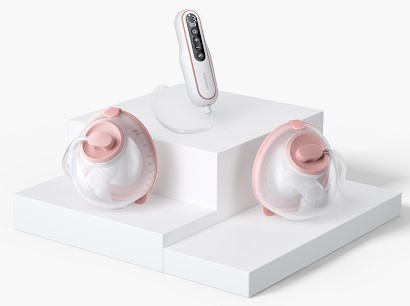
Breast pumps come in several varieties, each designed to meet different needs and circumstances. Manual pumps are the simplest option—operated by hand, they're lightweight and inexpensive but require significant effort and time. Standard electric pumps represent the most commonly covered category, offering adjustable suction and the ability to pump both breasts simultaneously. Hospital-grade pumps, often referred to as "hospital strength," feature more powerful motors with stronger suction patterns that closely mimic a baby's natural nursing rhythm. These are particularly valuable for mothers dealing with low supply, premature infants, or medical conditions that make establishing milk production challenging. Finally, wearable pumps have emerged as a game-changing option, fitting directly inside a bra and allowing hands-free pumping without cords or external bottles.
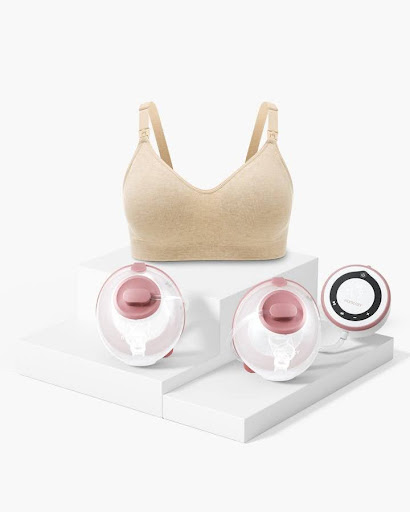
Most insurance plans cover a standard double electric pump at no cost. Hospital-grade pumps are frequently available as rentals rather than purchases, and insurers typically require documented medical necessity—such as a NICU stay or a lactation consultant's recommendation—before approving coverage. Wearable pumps often fall into an "upgrade" category, meaning insurance covers a base amount equivalent to a standard pump, and the mother pays the difference. Understanding where each type falls within your plan's coverage tiers helps you set realistic expectations and budget accordingly.
Wearable Pumps: The Ultimate Solution for Busy Moms
Wearable breast pumps have transformed the pumping experience by eliminating the need to sit tethered to a wall outlet or carry a bulky bag of equipment. These compact devices slip into a standard nursing bra, collect milk in self-contained cups, and operate quietly enough to use during meetings, while cooking dinner, or even during a commute. For mothers returning to demanding jobs or managing multiple children, this level of freedom can mean the difference between continuing to pump and giving up altogether. Brands like Momcozy have become popular among mothers seeking reliable wearable options that balance portability with effective suction performance.
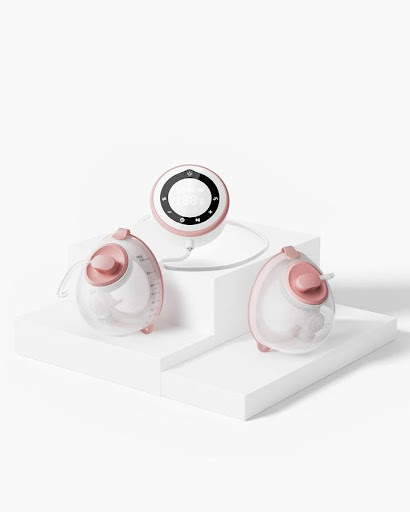
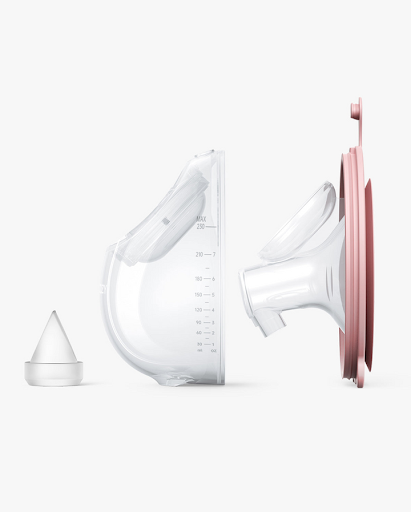
Insurance coverage for wearable pumps varies considerably. Some plans now include specific wearable models in their fully covered options, while others apply a credit toward the cost. To maximize your benefit, call your insurer and ask whether any wearable models are covered at 100%, which suppliers carry them, and whether you need a specific diagnosis code on your prescription. When evaluating wearable options, pay attention to cup capacity—smaller reservoirs mean more frequent emptying—and suction strength, since some wearable models don't match the output of traditional electric pumps. Comfort matters too; look for soft silicone flanges and multiple size options, as poorly fitting flanges reduce output and cause soreness. Reading reviews from mothers with similar schedules and body types can offer practical insight that spec sheets simply cannot provide.
Step-by-Step Guide to Getting a Breast Pump Through Insurance
Securing a breast pump through insurance doesn't have to be stressful, but it does require a methodical approach. Start by reviewing your insurance policy documents—specifically the section on durable medical equipment (DME) and preventive care benefits. Look for language about breastfeeding support, covered pump types, and any timing restrictions. Many plans allow you to order your pump up to 30 days before your due date, while others require you to wait until after delivery. Knowing this timeline prevents unnecessary delays when you need the pump most.
Next, call your insurance provider directly. Don't rely solely on written materials, as coverage details change and customer service representatives can clarify nuances that policy documents leave vague. Ask these specific questions: Which pump brands and models are fully covered? Do I need prior authorization? Are there approved in-network suppliers I must use? Is there a dollar amount cap, or is a specific pump model provided at no cost? Document the representative's name, the date of your call, and any reference numbers for your records.
Once you understand your coverage parameters, obtain a prescription from your OB-GYN, midwife, or primary care physician. Most insurers require this documentation even though breast pumps are considered preventive care. Your provider simply needs to write a prescription specifying a breast pump—some mothers also request that their doctor note medical necessity if they're seeking a hospital-grade or upgraded model. After securing your prescription, select an in-network DME supplier. Many suppliers specialize in breast pumps and handle the insurance paperwork for you, making the process nearly seamless. Submit your order along with your prescription and insurance information, then confirm with both the supplier and your insurer that the claim is processing correctly.
Common pitfalls trip up even organized mothers. Ordering from an out-of-network supplier without realizing it can result in full out-of-pocket charges. Waiting too long after delivery may push you past your plan's filing deadline. Failing to get prior authorization when required means automatic denial. Avoid these issues by confirming every detail before placing your order, and always keep copies of prescriptions, receipts, and correspondence in case you need to appeal a denied claim.
Choosing the Right Breast Pump for Your Needs and Lifestyle
Selecting the right breast pump goes beyond simply picking whatever your insurance covers—it requires honest reflection about your daily routine, pumping frequency, and personal comfort priorities. A pump that works beautifully for a stay-at-home mom with a flexible schedule might be entirely wrong for someone commuting two hours a day or working twelve-hour hospital shifts. The goal is to match your pump's capabilities to the demands of your real life, not an idealized version of it.
Suction strength and efficiency should top your evaluation list. A pump that empties your breasts thoroughly in fewer minutes means less time hooked up and more time for everything else. Look for models with adjustable suction levels and cycling speeds, since what feels comfortable during a letdown phase differs from what works best during expression. Portability is your next consideration—if you'll pump exclusively at home near an outlet, a standard electric pump with a strong motor serves you well. If you're pumping at work, in a car, or while managing a toddler, a wearable or portable battery-operated pump becomes essential rather than optional. Battery life matters enormously for on-the-go pumping; a pump that dies mid-session creates both frustration and potential supply issues.
Noise level is often overlooked until it becomes a problem. Some pumps operate quietly enough for a phone call, while others announce their presence to an entire open-plan office. If discretion matters in your pumping environment, research decibel levels and read user feedback about real-world noise. Ease of cleaning also impacts your daily experience significantly—pumps with fewer parts and dishwasher-safe components save precious minutes during an already packed day. Before making your final decision, create a simple checklist: How many times per day will I pump? Where will most sessions happen? Do I need to pump while doing other tasks? Can I tolerate being stationary, or is mobility non-negotiable? Cross-reference your answers with your insurance coverage options, and you'll identify the pump that genuinely fits your life rather than one that simply checks a box on a benefits form.
Take Control of Your Breast Pump Coverage Today
Navigating breast pump insurance coverage doesn't have to feel overwhelming once you understand the landscape. The ACA mandate ensures that most mothers have access to a breast pump at no out-of-pocket cost, but the type of pump, the supplier you use, and the timing of your order all influence what you ultimately receive. Whether you're drawn to the powerful suction of a hospital-grade pump for supply challenges or the hands-free convenience of a wearable model for your busy schedule, knowing how your insurance categorizes and covers each option puts you in control.
Take action now rather than waiting until after delivery when time and energy are scarce. Call your insurance provider, ask the specific questions outlined in this guide, secure your prescription, and choose an in-network supplier who simplifies the paperwork. The right breast pump supports not just your milk supply but your confidence, your flexibility, and your overall well-being during those demanding early months. Every session you're able to pump comfortably contributes to better health outcomes for both you and your baby—and that investment in yourself is one worth making.