



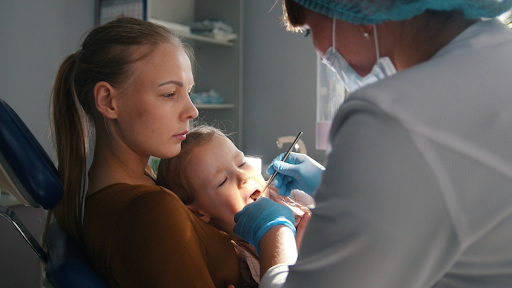
Healthy dental habits begin long before a child loses their first baby tooth. Teaching children how to care for their teeth at an early age can support lifelong oral health while helping them feel more confident about visiting the dentist. From daily brushing routines to regular dental checkups, small habits established during childhood can have lasting benefits. Parents play an important role by modeling positive behaviors, encouraging consistency, and making oral hygiene a normal part of everyday life.
Start Healthy Habits as Soon as Teeth Appear
Good oral hygiene begins with the first tooth. Parents can gently clean an infant's teeth using a soft toothbrush and a small amount of fluoride toothpaste recommended for their age. As children grow, they can gradually learn to brush and floss on their own, though most still need supervision until they develop the coordination to clean their teeth effectively.
Creating a consistent morning and bedtime routine helps children understand that brushing is a regular part of caring for themselves. Limiting sugary snacks and drinks, offering balanced meals, and encouraging water throughout the day also support healthier teeth and gums.
These early habits become especially important because dental problems are common among children. According to Forbes, citing data from the CDC, more than 52% of children ages 6 to 8 have experienced a cavity in at least one baby tooth, while 57% of adolescents ages 12 to 19 have had cavities in at least one permanent tooth. Preventive care can help reduce the risk of tooth decay as children grow.
Remember That Baby Teeth Matter
Some parents mistakenly believe that baby teeth require less attention because they eventually fall out. In reality, primary teeth help children chew properly, develop clear speech, and hold space for permanent teeth to erupt correctly.
Because baby teeth remain in the mouth for several years, maintaining them is an important part of a child's overall development. According to Cleveland Clinic Health Essentials, some baby teeth may remain in place until a child is approximately 12 or 13 years old. This means these teeth continue serving important functions well into the preteen years and deserve the same daily care as permanent teeth.
Regular dental visits allow professionals to monitor tooth development, identify potential concerns early, and provide guidance as children transition from primary to permanent teeth.
Help Reduce Dental Anxiety Early
A positive attitude toward dental care can significantly influence how children approach dental appointments throughout their lives. Introducing children to the dentist at a young age helps them become familiar with the environment before more extensive treatment is ever needed.
Parents can reduce anxiety by speaking positively about dental visits, reading children's books about the dentist, or practicing what to expect during an appointment. Avoiding words that may sound frightening and celebrating successful visits can also help build confidence.
Dental anxiety is not uncommon. According to the National Library of Medicine, an estimated 36% of Americans experience dental anxiety. Helping children develop positive experiences early may encourage them to maintain regular dental care as they grow older.
Make Oral Hygiene Fun and Consistent
Children are more likely to stick with healthy habits when brushing and flossing feel enjoyable rather than like a chore. Parents can make oral care more engaging by using colorful toothbrushes, flavored toothpaste approved for children, music timers, or reward charts that encourage consistency.
Allowing children to choose their own toothbrush or toothpaste can also give them a sense of ownership over their routine. Younger children often enjoy brushing alongside a parent or sibling, turning oral hygiene into a shared family activity.
Consistency is more important than perfection. Encouraging children every day and offering gentle reminders helps reinforce healthy habits without creating unnecessary stress or resistance.
Lead by Example
Children often learn best by observing the adults around them. When parents prioritize their own oral health by brushing, flossing, and attending routine dental appointments, children are more likely to view these behaviors as a normal part of everyday life.
Talking about why oral health matters can also help children understand the purpose behind their daily routine. Explaining that healthy teeth allow them to eat comfortably, smile confidently, and keep their mouths healthy can provide meaningful motivation beyond simply following instructions.
As children mature, parents can gradually encourage greater independence while continuing to monitor brushing and flossing habits to ensure they remain effective.
Building Lifelong Healthy Smiles
Healthy dental habits begin with small daily choices that add up over time. Teaching children proper brushing and flossing techniques, encouraging regular dental visits, supporting healthy nutrition, and creating positive dental experiences all contribute to better oral health.
By helping children establish these habits early, parents can lay the foundation for healthier smiles well into adulthood. Consistent care, encouragement, and positive reinforcement can make dental hygiene a lifelong routine that benefits children's overall health and confidence for years to come.