


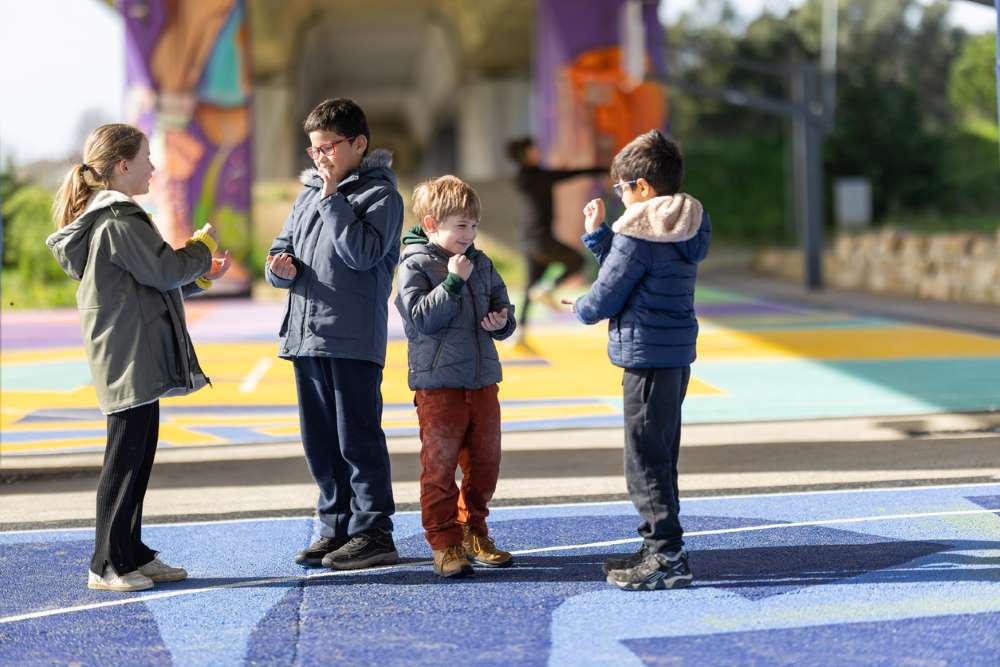
Play isn’t just about keeping kids busy. It’s how they learn to connect with the world around them. Through everyday play, children practise talking, listening, sharing, and working through emotions in real time. Whether they’re playing games, building together, or trading turns, these moments quietly teach communication, empathy, and cooperation.
The best part is that social skills don’t come from getting it right every time. They grow through trial, mistakes, and practice. When kids are given space to play, they’re also given space to learn how to relate to others, one interaction at a time.
Learning to Share, Take Turns, and Negotiate Through Play
Games and collectibles are more than just fun. They quietly teach kids how the real world works. When children play card or board games or trade items, they’re learning social rules such as waiting their turn, listening to others, and respecting boundaries. These lessons often land more naturally through play than through lectures.
Trading activities are a great example. Kids swapping Pokémon cards in schools or local groups quickly learn that taking turns matters, fairness isn’t automatic, and consent is key.
No one has to trade if they don’t want to, and that can be a tough but valuable lesson. When a trade doesn’t go their way, kids also practise handling disappointment and regulating big feelings.
This is where guided play really helps. Parents don’t need to control the game, but gentle coaching, such as reminding kids to pause, explain their thinking, or check in with the other child, builds respectful interaction skills.
In some communities, groups like pokemon cards brisbane kids enjoy can offer a shared space where children practise these same social skills through friendly play and connection.
Through play, kids learn that relationships matter more than winning. Those lessons last far beyond the game.
Play as Practice for Real-Life Conversations
Play isn’t just fun. It’s where kids learn to talk with others, not just talk to them. When children play together, they naturally practise speaking up, listening, waiting their turn to talk, and responding in ways that keep the game or story moving forward. These are the same skills they use in everyday conversations with friends, siblings, and adults.
Role-playing and imaginative games are especially powerful because they serve as social rehearsals. Pretend play, like acting out a store, a family dinner, or an adventure, gives kids a safe space to try out different words, tones, and responses. This helps them understand how their choices affect others.
Through play, children also begin to pick up on tone of voice, boundaries, and cooperation. They learn when to step in, when to wait, and how to negotiate roles and rules, which builds confidence and respect for others.
In short, play gives kids a conversation lab where mistakes are expected, and social skills grow naturally.
Handling Competition in a Healthy Way
Competition is part of growing up, but how kids handle it matters more than whether they win or lose. Learning to manage big feelings during games teaches emotional regulation, the ability to calm down, reflect, and respond thoughtfully. This is a skill that helps kids in school, friendships, and everyday life.
Games are great places to practise sportsmanship. Encouraging phrases like “good job,” “your turn,” and “let’s try again” help children learn to celebrate others and value fairness. When adults model calm reactions to losses or mistakes, children pick up those behaviours too.
Not every loss feels easy, and children need support to cope with frustration or disappointment. Let them express how they feel, then help guide them toward problem-solving, like trying again or focusing on what they learned from the experience.
With gentle guidance, kids can learn that games are not just about winning. They are about trying, learning, and growing together.
Group Play Builds Empathy and Awareness
When kids play together, they’re doing more than having fun. They’re learning how to read people. Reading social cues during play helps children notice things like facial expressions, tone of voice, and body language. These details teach them what others might be feeling, which is a big part of empathy.
Group play also encourages kids to slow down and see things from someone else’s perspective. Whether they’re taking turns in a game or deciding on a shared story, they learn that other people have ideas and feelings too. Understanding others’ perspectives is a skill that helps in friendships, school, and everyday interactions.
Finally, playing with others naturally teaches compromise and teamwork. Kids learn to negotiate rules, share responsibilities, and work toward common goals, all skills that build cooperation and confidence.
In short, group play helps kids become more aware, compassionate, and socially capable, one interaction at a time.
The Parents’ Role: Support, Not Control
When kids are learning social skills through play, parents play a supportive role, not as referees or directors. It’s helpful to know when to step in and when to step back. If a conflict gets physical or feelings are hurt, it’s time to gently guide the situation.
But if kids are negotiating turns or deciding rules, letting them work it out on their own builds confidence and problem-solving skills.
Coaching moments that don't take over are powerful. Instead of jumping in with answers, ask questions like, “How could you solve this?” or “What would you do next time?” These prompts help kids think and communicate for themselves.
Modelling calm, respectful behaviour teaches children more than words ever could. Kids learn how to apologise, take turns speaking, and handle frustration by watching how adults respond in similar situations.
Supportive guidance gives kids the space to grow socially while feeling safe, understood, and capable.
Play Is Where Social Skills Begin
Social skills aren’t taught in one big lesson. They’re built in small, everyday play moments. Through games, group play, and gentle guidance, kids learn empathy, communication, and resilience. When we give them space to play, practise, and make mistakes, we’re helping them grow into confident, connected humans.