



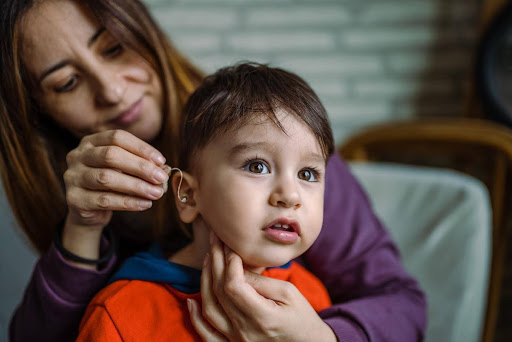
Hearing plays a key role in how children learn, communicate, and connect with the world around them. Pediatric hearing loss can affect speech development, classroom participation, and social confidence, especially when it goes undetected. Advances in screening and supportive technology now help children stay engaged in learning environments and reach important milestones alongside their peers.
Understanding Pediatric Hearing Loss
Hearing loss in children can be present at birth or develop over time due to illness, injury, or repeated ear infections. The degree of hearing loss varies widely, ranging from mild to profound, and may affect one or both ears. Early identification is critical because young brains develop language skills rapidly during the first years of life.
Routine hearing screenings during infancy and early childhood allow families and healthcare providers to spot concerns sooner. When hearing challenges are addressed early, children are better positioned to build speech, literacy, and listening skills that support school readiness.
How Hearing Affects Learning
In the classroom, hearing supports instruction, peer interaction, and attention. Children with untreated hearing loss may miss key sounds such as consonants, word endings, or verbal cues from teachers. Over time, this can influence reading development, academic performance, and self-confidence.
Even mild hearing loss can make noisy classrooms harder to manage. Students may feel fatigued from concentrating extra hard or become withdrawn during group activities. Recognizing these challenges helps educators and families create learning spaces that work for every child.
Technology That Supports Young Learners
Modern hearing technology offers flexible tools designed for growing ears and active lifestyles. Hearing aids for children are built to handle movement, play, and daily wear while delivering clear sound. Many devices can adjust automatically to different listening environments, from quiet reading time to lively classrooms.
Assistive listening systems also play an important role. Classroom microphones and sound field systems help reduce background noise and bring a teacher’s voice directly to a child’s device. These tools support focus and reduce listening effort throughout the school day.
Behind the scenes, audiology equipment suppliers contribute to this progress by providing tools used for hearing assessments, device programming, and ongoing care. Access to reliable technology helps hearing specialists monitor changes and adjust support as children grow.
Supporting Kids Beyond Devices
Technology works best when paired with consistent support from families, schools, and healthcare teams. Speech therapy, classroom accommodations, and regular hearing checkups help children use their devices effectively. Open communication between parents and educators ensures that learning strategies stay aligned with a child’s needs.
Children also benefit from encouragement and positive conversations about hearing differences. When kids feel supported and included, they are more likely to participate confidently in class and social settings. This reassurance builds resilience, self-advocacy, empathy, and confidence across friendships, learning environments, and family relationships.
Pediatric hearing loss does not have to limit learning or curiosity. With early screening, thoughtful support, and the right technology, children can continue to explore, learn, and thrive in ways that feel natural and empowering. For more information, look over the accompanying infographic.