



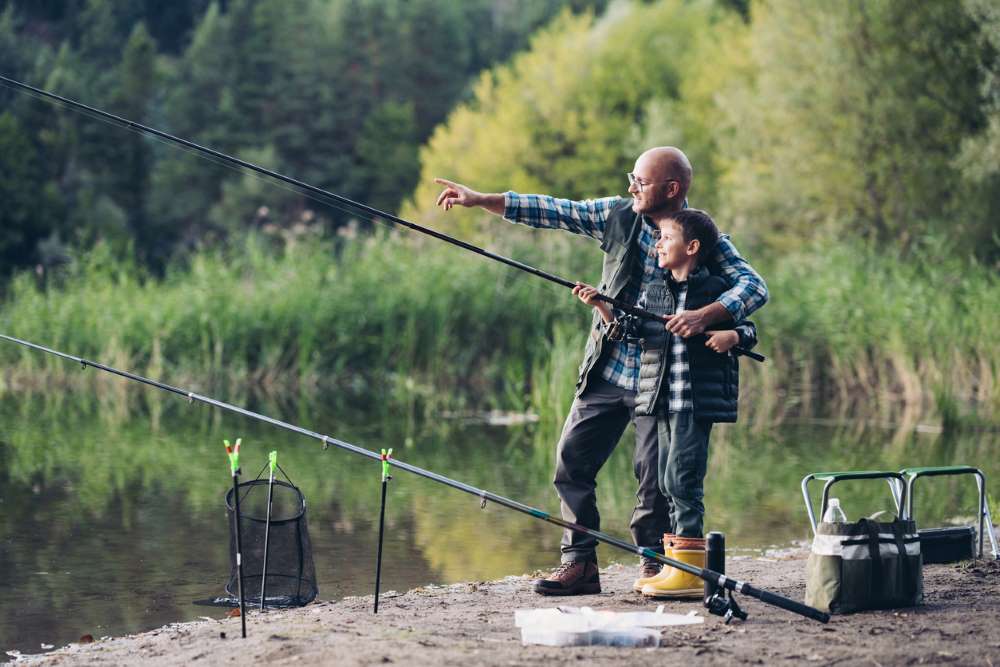
Planning a fishing trip with your kids can create unforgettable memories. Picture the sounds of water and birds, and the excitement of catching fish. Although bonding over fishing may seem challenging, especially with kids' energy, good preparation can lead to a fun day. It can teach your children important lessons about nature, patience, and working together.
Before you head out, consider some tips to make your trip enjoyable for everyone. Focus on creating a fun and comfortable environment where the emphasis is on enjoying the experience, not just catching fish.
Choosing the Right Location
Picking the right spot is key to a successful trip. Look for family-friendly places with shallow waters and plenty of fish. Lakes and ponds with easy-to-reach shorelines are great because they let kids explore safely. Check for amenities like picnic tables, restrooms, and parking. A comfortable area to take breaks between fishing will help keep the day fun and relaxed.
Make sure to check for required permits or fishing licenses. Understand local fishing rules to ensure a smooth outing. Some places have specific regulations for fishing with kids, which can help you plan better.
Essential Gear and Supplies
Bringing the right gear is crucial for a successful fishing trip with kids. Start with child-sized fishing rods that are lighter and easier for small hands to handle. If you're interested in fly fishing, choose user-friendly fly fishing rods that make casting enjoyable for kids. These rods are lightweight and flexible, helping children feel confident as they learn to cast.
Along with the rods, pack tackle boxes, bait, and a basic first aid kit. Bring snacks and plenty of water to keep everyone energized. A portable cooler can help keep drinks and perishable snacks fresh. Use easy-to-apply sunblock to protect delicate skin from sunburn, and consider hats or visors for extra sun protection.
Engaging Kids in Fishing
Kids are naturally curious, making a fishing trip a great opportunity to explore it. Keep them involved by letting them help set up the rods and prepare the bait. Explain your actions and reasons to turn the trip into a fun learning experience about fishing and nature.
Create a fishing bingo card with pictures of fish, insects, or plants they might see. This adds an element of fun and exploration beyond just catching fish. Teach them to be patient since fishing often involves waiting. Celebrate each small achievement, like spotting a fish, casting the line, or reeling in their first catch.
Safety is Important
Safety is crucial when taking kids fishing. Make sure they wear life jackets, even if the water looks calm. Teach them basic water safety rules and set clear boundaries on where they can and cannot go. Always keep an eye on them; kids can easily wander off or get too close to the water when excited.
Take the time to teach them to respect nature. Explain catch-and-release if you're not keeping the fish. Discuss local rules about size and bag limits if you are keeping fish. This teaches them responsible fishing and environmental stewardship.
Making Lasting Memories
The main goal of the fishing trip should be to create lasting memories. Bring a camera or smartphone to capture special moments, like their first catch or candid shots of them having fun. These pictures will help you remember the day long after it's over.
On the way home, talk about the day's events and share highlights or funny moments. This reflection builds a sense of accomplishment and reinforces positive feelings about the trip. Whether you caught fish or just enjoyed being outside, these shared experiences help build a love for nature and family bonding.
Preparing for a fishing trip with kids doesn't have to be hard. With the right preparation, a day by the water can be a fun adventure full of laughter and learning. Every moment spent fishing together is a chance to connect and appreciate nature. Simple outings like this can create precious memories that last a lifetime. Whether it's the thrill of a catch or the calm of nature, the key is to enjoy the experience together.
Teaching Skills and Techniques
When you take kids on a fishing trip, it’s important to teach them basic fishing skills. Start with easy techniques like casting and reeling in the line. Show them how to tie hooks, bait the line, and check for tugs. Use positive reinforcement to encourage them as they practice, and be patient. It’s okay if they don’t. It's better to focus on building their confidence and skills through practice. You can also explain different fishing techniques, such as catch-and-release methods, and how to identify various fish species.
To make learning fun, incorporate games. For example, hold contests to see who can cast the farthest or guess which bait works best. By turning lessons into enjoyable activities, you help spark their interest in fishing and develop skills they can use for a lifetime.
Conservation Lessons
Fishing trips provide a great chance to teach kids about caring for the environment. Talk to your children about local ecosystems and why it’s important to protect them. Explain the role fish play in nature and why they need to follow fishing rules, such as size limits and seasonal restrictions.
You can also encourage simple conservation actions during youit'sip. Ask them to pick up any litter they see along the shore or learn about native plants and wildlife in the area. This hands-on experience helps them feel responsible for nature and understand that their actions affect the environment. Teaching these values early on will help them appreciate and protect nature throughout their lives.