



Pregnancy brings many changes to a woman's body, but it can also lead to problems like back pain that may continue after giving birth. Many new mothers experience back pain due to weight gain, hormonal changes, and different postures during pregnancy. This discomfort can overshadow the joys of motherhood, so it's important to find ways to feel better.
If you're recovering from childbirth and struggling with back pain, don't lose hope. There are effective ways to relieve your pain and feel comfortable so that you can enjoy this special time with your baby. Here are some strategies to help you stop back pain after pregnancy.
Posture Awareness
Good posture is important, especially in the early days after giving birth when your body is adjusting. When holding your baby, pay attention to how you sit or stand. Use cushions or supports when needed, whether you're on the sofa or nursing. A breastfeeding pillow can help reduce strain on your back while feeding your newborn.
You might also benefit from simple exercises that strengthen your core muscles. Try pelvic tilts and bridge exercises to better support your spine. Small changes can lead to big improvements in how you feel.
Gentle Movement
Gentle movement can greatly help with back pain. Consider postpartum yoga or light stretching to improve your flexibility and strength. Look for classes designed for new mothers, as they focus on safe movements for your specific situation. Gentle exercises can also help blood flow and reduce stiffness.
Even simple activities like taking a daily walk with your baby in a stroller can be beneficial. This keeps you active without overworking your body and allows you to spend time with your baby outdoors. Staying active helps lessen muscle tension.
Massage Therapy
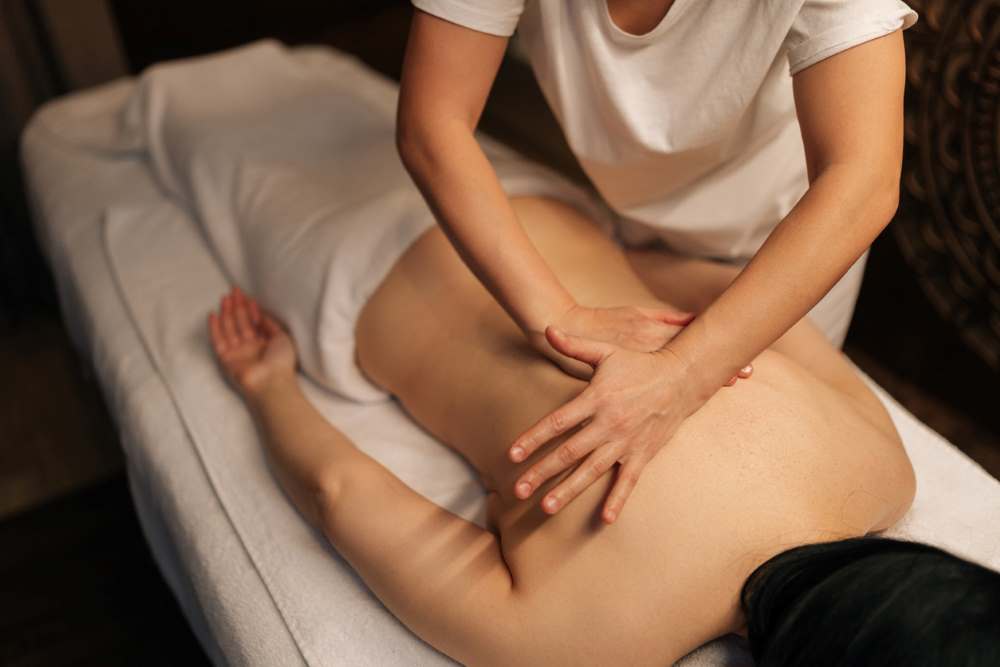
Massage therapy North York can aid your recovery after pregnancy. It relaxes tight muscles and eases pain, especially in your back, neck, and shoulders. Many new mothers find that a trained massage therapist knows how to address the needs of postpartum bodies, targeting areas with tension.
A full-body massage or specific focus on painful spots can release endorphins, improving your mood and reducing discomfort. Taking time for a massage is also a great way to care for yourself while managing the demands of a newborn.
Heat and Cold Treatments
Heat or cold therapy can give quick relief for back pain. Use a warm compress or heating pad on the sore area to relax muscles and boost blood flow. A warm bath can also help—adding Epsom salts can enhance relaxation.
Cold therapy reduces inflammation and numbs sharp pain. Ice packs are useful for sore areas, but wrap them in a cloth to protect your skin. Switching between heat and cold treatments can provide a balanced approach to easing your pain.
Physical Therapy
If your back pain continues, seeing a physical therapist can help. They focus on exercises and treatments tailored just for you, helping you regain your strength and movement. A therapist will look at your posture, how you move, and any weak areas. Then, they will guide you through specific exercises to improve your alignment and reduce pain.
Physical therapy usually combines stretching, strengthening exercises, and tips on how to move during daily activities. This approach can help you find lasting relief. With their support, you can create a recovery plan that fits your lifestyle.
Relaxation
Your emotional health is important for managing physical pain. Practicing mindfulness, like meditation or deep breathing, can help reduce stress and tension. Taking a few moments to breathe deeply can be calming and help you focus. This can be especially useful when dealing with the changes that come with motherhood.
Consider joining postpartum yoga or relaxation classes. Meeting other new mothers can make this experience feel lighter and build supportive connections.
Nutrition and Hydration
What you eat can affect your recovery. A balanced diet rich in vitamins and minerals helps keep your muscles healthy and supports healing. Include anti-inflammatory foods, such as fatty fish, leafy greens, and nuts, to help reduce pain. Staying hydrated is also important; drinking enough water improves circulation and can prevent muscle cramps.
As you adapt to motherhood, giving your body good nutrition can help you feel your best. Back pain is common after pregnancy, which can reassure many new mothers that they are not alone. With awareness of your posture, gentle movement, massage therapy, and self-care, you can find comfort again. Small steps can lead to big improvements, helping you fully embrace the joys of motherhood.