



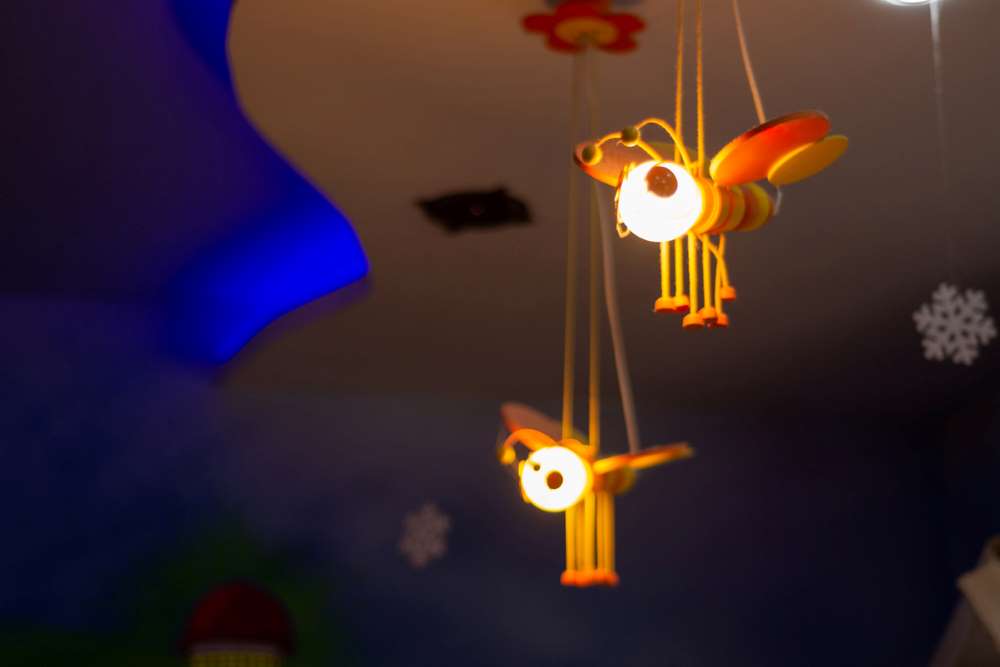
When you bring your new baby home, everything changes... even the lighting in every room.
Parents probably don't know this but lighting makes a huge difference in your child's sleeping, eating and settling habits. Harsh overhead lights that were fine before kids are now what you're fighting at 3am when you're feeding.
Here's the good news:
Dimmable lights are one of the simplest changes parents can do. It's cheaper than you think, takes minutes to install and makes a world of difference.
What's covered in this guide:
-
Why Lighting Matters So Much For Young Children
-
The Science Behind Dim Light & Better Sleep
-
The Best Interior Lighting Trends For Family Homes
-
Practical Rooms To Add Dimmable Lighting
Why Lighting Matters So Much For Young Children
Lighting isn't just about being able to see...
It impacts your child's mood, circadian rhythm and winding down at night. Bright lights signal to little brains that it's still daytime. Dim, low light signals to them that it's time to wind down.
Children are also much more sensitive to light than adults are. Researchers at University of Colorado Boulder found that exposure to light suppressed melatonin levels by 70 to 99 percent in young children. That's a significant disruption to their sleepytime hormone... caused by keeping your lamp turned up too high.
Pretty wild, right?
That's why today's newest indoor lighting trends — like the ones from Lightopia — focus heavily on dimmable and tunable fixtures that allow parents to control brightness levels throughout the house. Makes sense, right? Parents these days want lighting that complements their child's sleep schedules.
Families are one of the biggest contributors to this category booming. The global smart lighting market is forecast to reach USD 56.63 billion by 2030, growing at a 19.77% CAGR. Families everywhere are making the decision to switch from the traditional fixed-brightness lights to dimmable smart lighting.
The Science Behind Dim Light & Better Sleep
Here's something most parents have no idea about...
Kids' pupils and lenses are bigger than adults'. So more light gets in, and more melatonin gets blocked. Even a "tiny" night light could disrupt their circadian rhythm if it's the wrong colour or too bright.
What does dim lighting actually do?
- Protects melatonin production: Your child's body keeps making the sleep hormone naturally.
- Calms the nervous system: Soft light cues your body that it's "wind down time" rather than "stay alert" time.
- Reduces night wakings: Less stimulation means deeper, longer stretches of sleep.
- Prevents overstimulation during feeds: Allows you to see what you're doing without fully waking baby.
Night feeds and diaper changes... Low wattage warm lights are a parent's best friend. You can function. Your baby can stay asleep.
Cool right?
The beauty of that is you get to pick how bright you want your lights on demand. That is where dimmable lighting trumps standard bulbs.
The Best Interior Lighting Trends For Family Homes
Technology and innovation dominate current interior lighting trends. Consumers desire lighting that is flexible and changes with the time of day and activity. Check out these top trends:
Warm-to-Cool Tunable Lighting
Adjustable lighting allows you to change the colour temperature as needed during the day. Cool bright white in the morning to help everyone wake up... to warm amber at night to help everyone wind down.
Parents will find this one of the most practical trends. There is no need for multiple lamps in separate rooms. One fixture takes care of everything.
Smart Dimmers With App Control
Smart dimmers are the simplest way to upgrade your existing lights. Screw the dimmer in place, link it to an app and you can:
- Set "bedtime scenes" for the whole house
- Schedule automatic dimming at sundown
- Adjust the brightness from another room without waking up the baby
Many of these dimmers are also compatible with voice assistants. Being able to say "set nursery to 10%" while cradling a sleeping toddler is magical.
Red & Amber Night Lights
Red/amber light does not suppress melatonin like blue/white light. That's why so many "baby safe" night lights have become reddish.
A dimmable red night light is basically the holy grail for night feeds.
Layered Lighting Design
Say goodbye to the lone overhead bulb. Layered lighting includes multiple sources (think floor lamps, table lamps, sconces and accent strips) so you can light a room exactly how you need to. This is a game changer for families. You can light up the changing table without blasting light across the entire nursery.
Practical Rooms To Add Dimmable Lighting
OK, where do you start? Well truthfully, anywhere. You can dim every room in your home and you'll thank yourself. However, these rooms offer parents the biggest payoffs.
The Nursery
Low hanging fruit. An adjustable warm light beside the crib is great for:
- Night feeds
- Diaper changes
- Reading bedtime stories
- Quiet rocking sessions
You want to be able to see without waking up your baby's brain.
The Hallway
Hallway lights are turned on at the most inconvenient times of the day... trips to the bathroom at 2am, midnight checking on the kids, you name it. Having a dim hallway light on at night ensures everyone can safely navigate the halls without fully waking up.
The Bathroom
Bathtime should be relaxing. Dimming bathroom lights allow you to brighten the lights for bathtime and dim them as you begin your bedtime routine.
The Living Room
Movie nights with the family, relaxing evenings, and playing around while getting ready for school all require various lighting intensities. A living room with dimmers is infinitely more family-friendly.
The Kitchen
The kitchen has got to be the most hectic room in the home with kiddies. Bright lights to greet you in the morning when making breakfast... softer lighting for night snacks and bottle rinses.
The Bottom Line
Dimmable lights aren't just nice to have as a parent. They're necessary from day one.
Kids are super sensitive to light. Lighting in a room can be the difference between a calm baby and a wide awake baby at 2am. Warm, dim, dimmable light at night allows your child's natural sleep hormones to do their thing and makes parenting at night so much easier.
To quickly recap the key takeaways:
- Bright light suppresses melatonin in young children, sometimes drastically
- Dimmable lighting protects your child's natural sleep cycle
- Warm-to-cool tunable lighting is one of the biggest interior lighting trends right now
- Smart dimmers and red night lights are simple, affordable upgrades
- Every room benefits, but the nursery, hallway, and bathroom are the top priorities
The best thing about dimmable light fixtures? You install them once and your family enjoys them for years.