



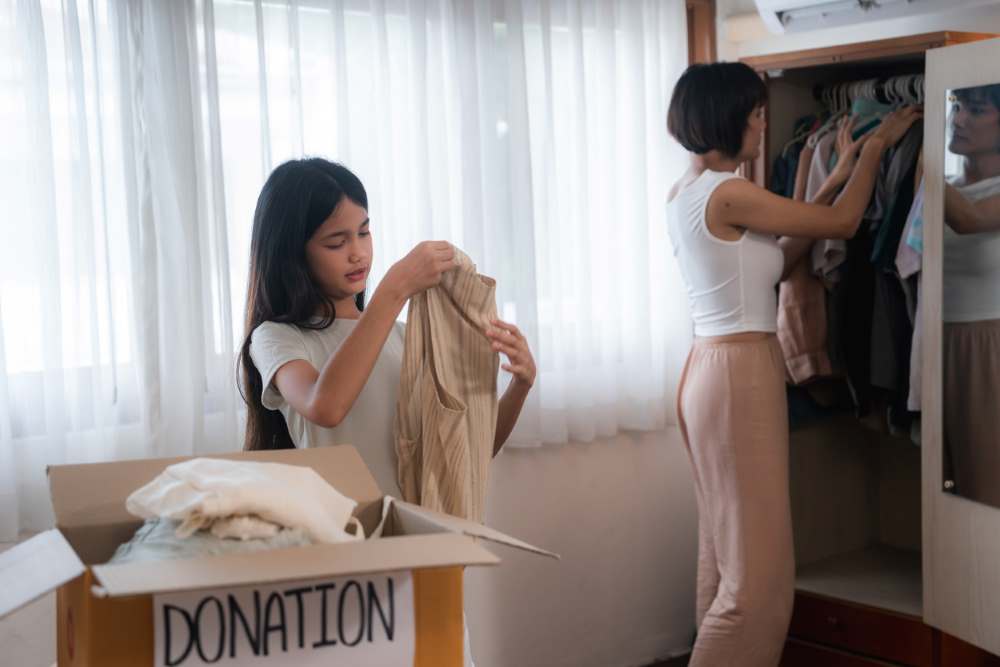
Teaching kids about donations is an important lesson for parents. It's not just about giving things away; it's about building empathy, understanding community needs, and creating lasting values. As children grow, their views change, and learning about generosity can shape how they see themselves and others. When kids learn about donations, they understand the importance of coming together for a common cause.
Parents can find many ways to teach their children about kindness, from organizing a canned food drive to donating old toys. Helping kids recognize who benefits from donations can open their eyes and show them that they are part of a bigger community.
Let's look at some fun ways to teach your kids about donations.
Understanding Donations
Start with the basics. Explain what donations are and why they are important. Use real-life examples that kids can relate to. For example, if your child loves animals, talk about how animal shelters rely on donations for food and medical care. This helps kids see the emotional value in giving.
Using pictures or videos can help them understand better. Show them where donations go, such as local shelters, food banks, or hospitals. Kids respond well to stories, so you can relate it to their experiences. Just like they share toys or snacks with friends, donating is a way to share resources with those in need.
Food Donation
Food donation Toronto helps communities grow. Explain to your kids how food banks give meals to families in need. This shows them why sharing is important. Kids will feel proud when they know their donations could help someone who is struggling.
Talk about what food items can be donated and why some are better than others. For example, canned goods last longer and are easier to keep. Get your kids involved. Let them choose foods they like, so they understand the importance of providing comfort to others. This teaches them to think about what they donate and how it can help someone else. Sharing stories about families who receive help from food banks makes the experience more relatable.
Organizing Activities
Getting kids involved in activities makes donating more real. Plan a family event to gather items for a good cause. This could be clothing, school supplies, or sports equipment. Take your child shopping with a list of items to donate. Show them that thoughtful choices can make a difference.
Let your child help sort the donation items. This hands-on experience allows them to see the results of their efforts and feel proud of their contribution. Celebrate the occasion together as a family. You could turn it into a small party with snacks and games afterward, creating a fun association with giving.
Community Involvement
Get your kids involved in community activities that focus on giving. You can participate in charity runs, volunteer at local shelters, or help out in community gardens. These activities not only teach kids about donations, but they also help them connect with their community.
Encourage your kids to come up with ideas for giving back. This could be a bake sale for charity or a neighbourhood cleanup to help local parks. Let them lead the way to boost their confidence and create a real passion for helping others.
Learning through Discussions
Make discussions about donations a regular family activity. Talk about different organizations and encourage your children to share their thoughts. Understanding these charities helps them feel curious and caring. Ask questions like, "What cause do you care about?" or "How can we help?" This encourages critical thinking, problem-solving, and empathy.
Share current events about community needs and discuss how individuals made a difference. These talks can inspire your children and help them see the impact of working together. Use books, movies, or documentaries that show the importance of giving back to support these ideas.
Celebrating Contributions
When your kids contribute, celebrate their efforts. Recognizing their contributions, big or small, reinforces positive behaviours. Show them how their donations made a difference, like sharing photos from the organization they supported or reading thank-you notes.
Create a visual representation, such as a donation wall in your home, to mark milestones or track what has been collected. This can motivate kids and encourage them to participate in future donations. Teaching your kids about donations can be enjoyable and rewarding. These experiences help shape their character and influence their choices as they grow.