



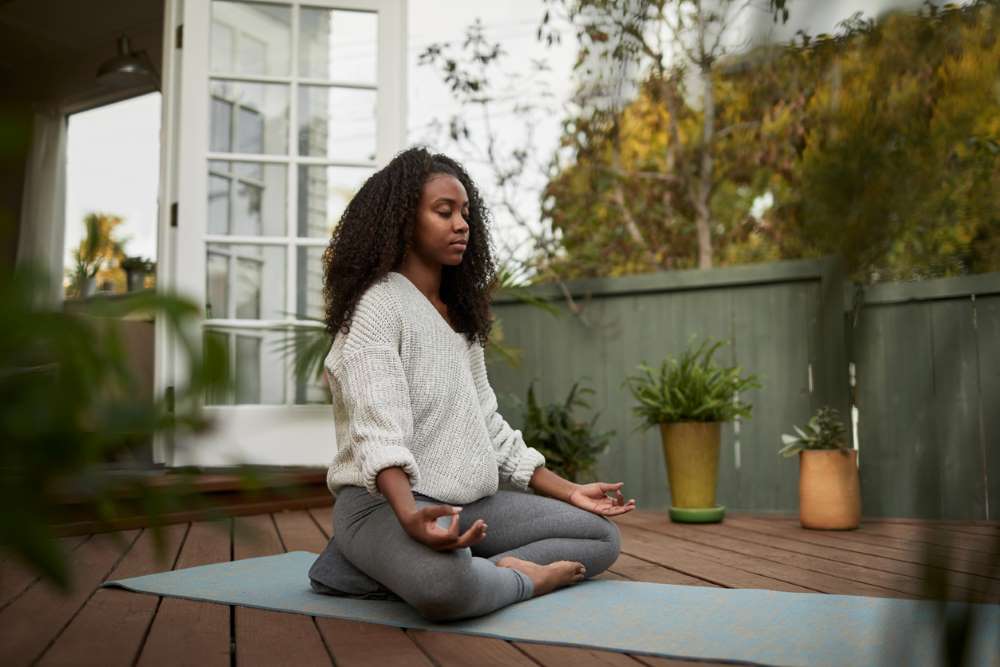
Recovering from a car crash is hard work.
Bruises fade. Cars can be repaired. But emotional trauma? That’s something that can linger long after the initial incident is resolved. Rideshare accident claims can leave victims suffering from not just physical injury, but legal anguish as well.
Here's the good news...
Mindfulness and meditation are two of the most researched tools for trauma healing. They have scientific evidence behind them. BEST OF ALL? They're easy to begin. Costs nothing. And they work!
The breakdown:
- Why Rideshare Crash Survivors Struggle With Trauma
- What Makes Mindfulness Different From Regular Therapy
- The Top 4 Evidence-Based Practices for Trauma Recovery
- How to Build a Daily Routine That Actually Sticks
Why Rideshare Crash Survivors Struggle With Trauma
Rideshare crashes hit different.
It wasn't like your everyday fender bender. She was a passenger. There was no wheel to hang onto. No brake pedal to stomp. Only instant panic. Total loss of control. That powerlessness is one of the main reasons trauma lingers.
And the numbers back this up...
Research showed that 32.3% of individuals who survived a crash developed PTSD symptoms after their accident. Nearly 1 in 3 people. With rideshare-related incidents totaling almost 1,000 collisions every day in the U.S., the mental toll is substantial.
Here's the kicker:
Dealing with the legal aspects of a rideshare accident claim only creates more stress for recovery. You fight with insurance companies. Endless paperwork. Months-long settlement negotiations. That's where having an experienced Atlanta Personal Injury lawyer helps – allowing the victim to focus on recovery, not bureaucracy.
Common trauma symptoms after a rideshare crash include:
- Flashbacks and intrusive memories
- Anxiety when riding in any vehicle
- Trouble sleeping or sudden panic attacks
- Avoidance of driving or busy roads
- Mood swings, anger, and depression
Sound like something you might do? You're not alone. And it's easier than you think.
What Makes Mindfulness Different From Regular Therapy
Most trauma treatments focus on talking about what happened.
Mindfulness completely turns that around. Rather than excavating painful memories, mindfulness trains your brain to observe what is happening in the present moment with nonjudgment. Thoughts. Body sensations. Emotions. Whatever arises.
Why does that matter? Because trauma lives in the body. Not just the mind.
The nervous system gets wired into "fight or flight" after a crash. Heart pounding. Muscles locked. Sleep evades you. Meditation directly resets this freeze response by rewiring the mind and body to feel safe.
Disclaimer: Trauma-sensitive mindfulness is an important distinction. Meditation as many have come to know it can re-traumatize folks who have experienced trauma. Therefore, it's important to ease into it slowly, work with a trained teacher if at all possible, and choose practices that feel grounding instead of triggering.
The Top 4 Evidence-Based Practices for Trauma Recovery
Ok, now on to the good stuff. These practices have the best research backing them.
Choose whatever feels good and go with that. There is no ideal practice - only the practice that you do.
Mindfulness-Based Stress Reduction (MBSR)
MBSR is the gold standard.
It was developed at the University of Massachusetts Medical School. This is an 8 week course. A study found that meditation programs such as MBSR are among the most effective treatment methods for PTSD when looking at studies involving war veterans, accident survivors, and assault survivors (meta analysis of 61 studies). That is a large amount of studies.
MBSR works because:
- It combines meditation, body scans, and gentle yoga
- It is structured and progressive
- It builds awareness without forcing painful memories to the surface
Look for an MBSR class near you or browse the free MBSR resources online. No matter which you choose...
Body Scan Meditation
A body scan is exactly what it sounds like.
Breathing into every area of your body, the practitioner imagines traveling through your system. You notice any sensation that you feel but allow yourself to remain open by not changing the feelings. This exercise assists trauma victims to safely reconnect with their bodies.
The coolest part? You can do it while lying down. In bed. For only 10 minutes each day.
Breath-Focused Meditation
Slow, controlled breathing tells the nervous system that the danger is over.
But here is something most people don't realise...
Breathing focus can be anxiety provoking for some trauma survivors. If this occurs for you, focus instead on your feet pressing into the floor. This is known as "grounding" and is equally effective.
Loving-Kindness Meditation
This one is powerful for survivors dealing with guilt and self-blame.
Loving-kindness meditation is the practice of repeating phrases of love and kindness towards yourself and others silently to yourself. "May I be safe. May I be well. May I be at peace." Easy phrases. Amazing effects for emotional recovery.
How to Build a Daily Routine That Actually Sticks
Mindfulness is something that most people approach with giant expectations. They pledge to meditate for 30 minutes a day, and bail after a week.
Don't make that mistake.
How to Build a Daily Practice: Start so Small it's Ridiculous.
Here's the formula that works every time:
- Start with 2 minutes — yes, just two
- Choose the same time each day --- preferably in the morning
- Listen to a guided app – Insight Timer and Calm both have free trauma-specific tracks
- Track your progress — a simple calendar with X marks does wonders
- Don’t sweat missed days — it’s ok to miss 1 day, not ok to miss 2
That's it. Five steps. Anyone can do this.
A few weeks go by, and before you know it, that 2 minutes stretches to 5. 10. Soon enough, it's something you just don't skip, like brushing your teeth.
Bonus tip: Combine mindfulness with other treatments. Talk therapy, EMDR, and somatic experiencing therapies can be paired with meditation. Research shows that combined treatments have the greatest benefit.
Pulling It All Together
Healing from trauma following a rideshare accident doesn’t happen overnight. It requires patience. And it requires the proper tools.
Mindfulness and meditation are two of the most researched trauma tools available. They’re free. They can be practiced from the comfort of your own home. And research has shown that they work.
To quickly recap:
- Around 1 in 3 crash survivors develop PTSD symptoms
- Mindfulness helps reset the nervous system after trauma
- The top practices are MBSR, body scans, breath work, and loving-kindness
- Start with just 2 minutes a day and build from there
- Combine meditation with other treatments for the best results
Recovering from a rideshare accident involves much more than fixing your vehicle and covering medical expenses. It also requires healing the mind. Incorporating mindfulness into recovery can allow accident survivors the best opportunity for a complete and permanent recovery.
First things first...Sit down. Shut your eyes. And breathe. One breath at a time.