



Athletes spend countless hours training their bodies, but success in competition often depends just as much on the mind. Pressure, self-doubt, and distractions can interfere with performance, no matter how strong or skilled a player is. This is why mindfulness—the practice of staying present and focused—has become an essential tool for athletes around the world.
By learning to control attention and stay calm under pressure, athletes can improve performance, recover from setbacks, and enjoy the game more fully.
What Is Mindfulness?
Mindfulness is the practice of paying attention to the present moment with awareness and without judgment. Instead of worrying about the last mistake or stressing about the outcome, mindfulness helps athletes focus on what is happening right now—the breath, the movement, and the play in front of them.
Why Mindfulness Matters in Sports
Sports are full of mental challenges:
-
Fear of failure before a big competition.
-
Pressure from coaches, teammates, or fans.
-
Distractions from past mistakes or future outcomes.
-
Stress from injuries or setbacks.
Mindfulness helps athletes manage these challenges by grounding them in the present.
Mental Benefits
-
Increases focus and concentration.
-
Reduces performance anxiety.
-
Helps manage negative self-talk.
-
Encourages resilience after setbacks.
Physical Benefits
-
Regulates stress hormones like cortisol.
-
Improves coordination by keeping the mind and body aligned.
-
Enhances recovery by lowering tension in the body.
The Science Behind Mindfulness in Sports
Research shows that mindfulness can significantly improve athletic performance.
-
A study in Mindfulness found that athletes who practiced mindfulness reported lower levels of anxiety and higher levels of flow, the mental state of being fully absorbed in an activity【Baltzell & Akhtar, 2014】.
-
The American Psychological Association (APA) highlights that mindfulness improves emotional regulation and attention, both critical for peak performance【APA, 2020】.
-
In a systematic review published in Sports Medicine, mindfulness training was shown to enhance resilience, focus, and well-being among athletes【Noetel et al., 2019】.
These studies confirm what many elite athletes have already discovered: mindfulness is as much a part of training as physical conditioning.
Mindfulness in Action: The Flow State
Athletes often describe their best performances as being “in the zone.” This state, known as flow, is when actions feel effortless, time seems to slow down, and focus is complete. Mindfulness supports this flow state by training the brain to stay present, block out distractions, and trust the body’s preparation.
Simple Mindfulness Practices for Athletes
Mindfulness doesn’t require hours of meditation. Even a few minutes a day or quick techniques during competition can make a difference.
1. Mindful Breathing
Before training or competition, take a few deep breaths to calm the mind. Inhale slowly through the nose, exhale through the mouth, and repeat for one to two minutes. This centers attention and reduces nerves.
2. Body Scan
Lie down or sit comfortably. Bring awareness to each part of the body, starting from the feet and moving upward. Notice tension and release it. This practice helps athletes relax muscles and prepare for performance.
3. Visualization
Close your eyes and imagine yourself performing well in your sport. See the details, feel the movements, and hear the sounds. Visualization combined with mindfulness builds confidence and readiness.
4. Mindful Movement
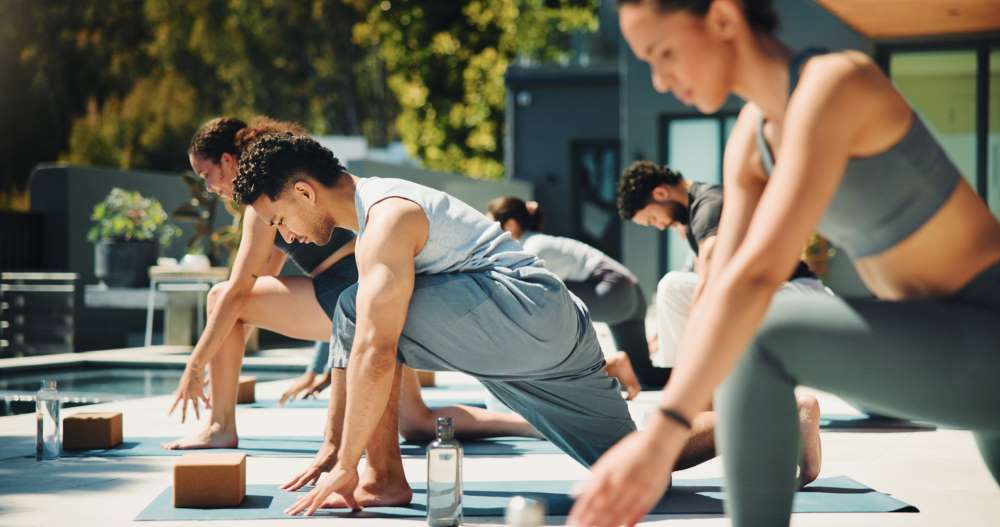
During warm-ups, focus completely on the body’s movements—the rhythm of running, the feel of stretching, or the balance of poses. This practice strengthens the connection between body and mind.
5. Reset Between Plays
In fast-paced sports like basketball or tennis, use short resets. Take a deep breath, refocus on the next move, and let go of the last play—whether it was a mistake or a success.
Examples from Professional Sports
Many professional athletes and teams integrate mindfulness into their training.
-
Phil Jackson, the legendary NBA coach, introduced mindfulness and meditation to his teams, including the Chicago Bulls and Los Angeles Lakers, to improve focus and teamwork.
-
Kobe Bryant practiced mindfulness to stay calm and present during high-pressure games.
-
The Seattle Seahawks incorporated mindfulness training into their program, contributing to their Super Bowl success.
These examples show that mindfulness is not just a wellness trend—it’s a proven performance strategy.
Mindfulness for Recovery and Resilience
Injuries and setbacks are part of sports. Mindfulness helps athletes cope with frustration and maintain a positive outlook during recovery. By focusing on the present rather than worrying about how long recovery will take, athletes can stay motivated and patient.
Research in Psychology of Sport and Exercise found that mindfulness reduces symptoms of depression and improves coping in injured athletes【Ivarsson et al., 2017】. This highlights its role not only in performance but also in mental well-being.
How to Build a Mindfulness Habit
For athletes, consistency is key. Here are ways to integrate mindfulness into daily routines:
-
Start small: Just 5–10 minutes of mindful breathing or meditation daily.
-
Pair it with training: Add short mindfulness practices before or after workouts.
-
Use apps: Tools like Headspace or Calm offer guided sessions designed for focus and performance.
-
Practice during daily life: Mindfulness is not limited to sports. Paying attention while eating, walking, or studying strengthens the skill.
When to Seek Extra Support
Mindfulness is powerful, but it may not be enough on its own for athletes experiencing severe anxiety, depression, or burnout. In these cases, working with a sports psychologist or counselor can provide additional tools. Mindfulness can complement therapy and medical treatment.
Conclusion
Mindfulness is more than a relaxation technique—it is a powerful tool for athletes to stay present, focused, and resilient. By practicing mindful breathing, body scans, and visualization, athletes can improve performance, recover from mistakes, and find joy in their sport.