



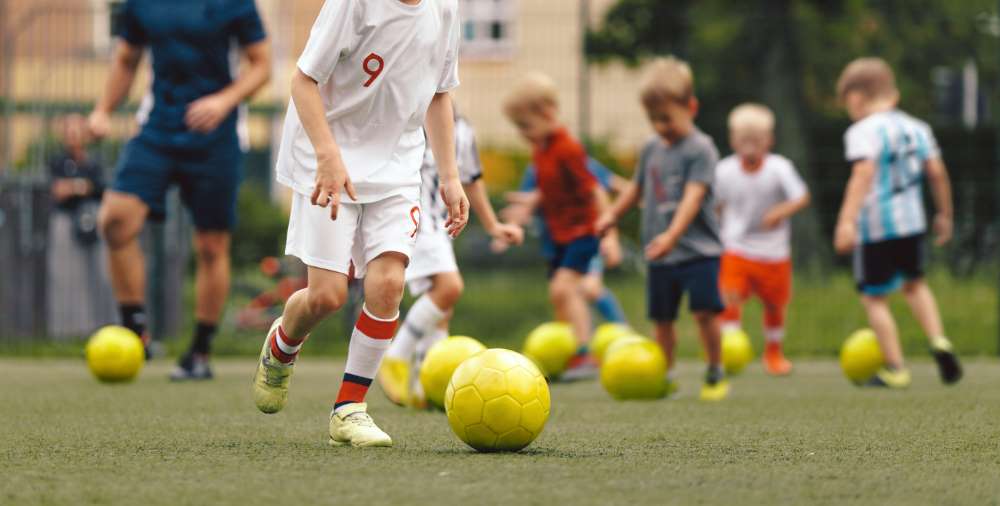
Helping children build healthy habits from a young age can have a profound impact on their physical, emotional, and social development. Active routines provide structure, encourage curiosity, and offer a positive outlet for energy. Whether through organized activities or simple daily play, movement helps shape confident, capable, and resilient young people. Understanding why early activity matters can inspire parents and caregivers to create supportive environments that nurture long-term well-being.
Building Strong Foundations for Physical Health
Introducing children to regular activity supports the natural development of strength, flexibility, and coordination. These skills don’t appear overnight; they’re built gradually through repeated movement and exploration. When children engage in active play, they strengthen their muscles, improve their balance, and enhance their overall fitness without even realizing it.
As kids are introduced to a new activity, it helps when they have a positive, injury-free, fun experience. Proper uniforms, comfy shoes, arch support inserts, high quality socks, shin guards and other protective gear are essential if you want your kids to fit in, enjoy the sport and feel proud.
Simple activities like running, climbing, and jumping help children understand what their bodies can do. Over time, this boosts bodily awareness and encourages them to take on new physical challenges safely. Establishing these habits early helps reduce the risk of inactivity later in life, creating a foundation for long-term health.
Supporting Mental and Emotional Growth
Active routines aren’t only about physical benefits; they play a vital role in emotional development as well. Movement gives children the opportunity to express themselves, release stress, and build confidence. Completing a challenge, learning a new skill, or seeing progress over time can significantly boost self-esteem.
Physical activity also supports mental clarity. When children are regularly active, they are better able to focus, process information, and manage emotions. It becomes easier for them to handle everyday frustrations or transitions because they have an outlet that naturally regulates mood. Even small bursts of activity throughout the day can help create calmer, more balanced young minds.
Encouraging Social Skills and Teamwork
One of the biggest benefits of active routines is the chance for children to socialize. Whether in the playground or part of an organized session, movement naturally brings children together. They learn to take turns, share, communicate, and work as part of a team. These interactions build valuable social skills that they carry into school and beyond.
Participating in group-based activities teaches children how to support others, celebrate achievements, and handle setbacks. Activities like kids football classes provide fun, structured environments where children can explore teamwork in a playful, pressure-free way.
Creating Healthy Habits That Last
Children are most likely to continue being active as they grow if they’ve had positive early experiences with movement. When activity becomes part of daily life, whether through walking to school, dancing at home, or joining a sports session, it stops feeling like a chore and becomes something to look forward to.
Parents play a key role in shaping these habits. Being active together sends a powerful message: movement is enjoyable, important, and something worth making time for. These early lessons often influence how children view exercise as adults, making it more likely that they’ll maintain healthy routines throughout their lives.
Strengthening Family Bonds Through Shared Activity
Active routines offer wonderful opportunities for family connection. Whether it’s a walk after dinner, a weekend bike ride, or a simple game in the garden, shared moments of movement create joy and togetherness. These experiences help children feel supported and build trust, while parents benefit from the chance to unwind and bond more deeply.
Family activity time also creates lasting memories, those small but meaningful experiences that children carry into adulthood. By participating together, families reinforce the idea that staying active isn’t just beneficial; it’s also enjoyable and valuable.
Conclusion
Introducing children to active routines is one of the greatest gifts a parent or caregiver can offer. From stronger bodies to sharper minds, improved social skills, and healthier long-term habits, the benefits are wide-ranging and long-lasting. Every small step toward movement helps set children up for a happy, balanced, and active future.