



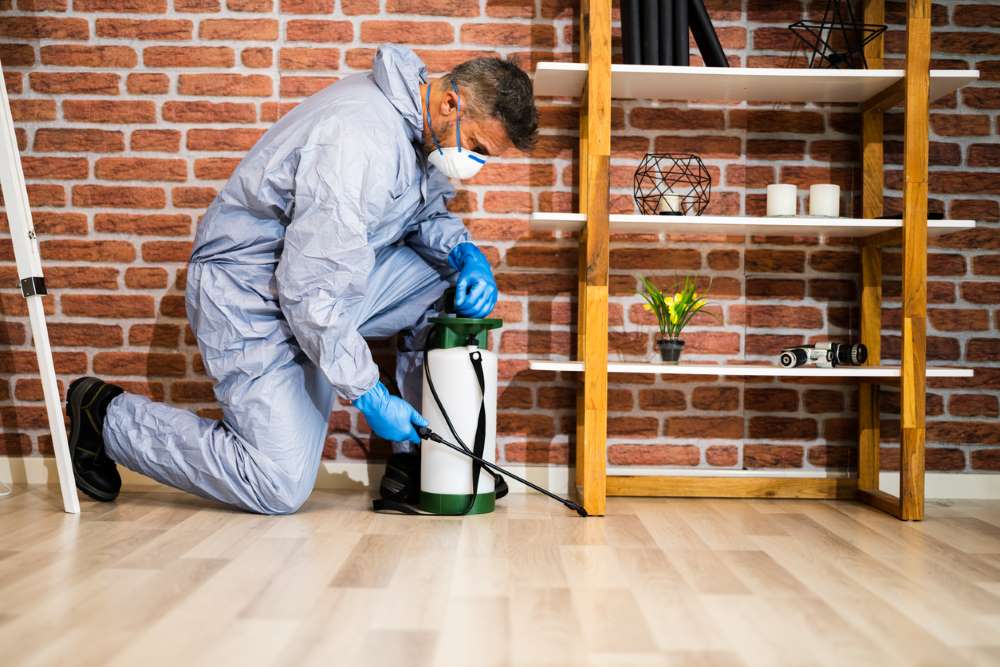
Pest control works best when timing matches the pest and the house. A visit goes more smoothly when homeowners know what the inspection covers and what to ask before booking.
How to tell when it's time to call
Seasonal patterns give clues, but they don't set a fixed schedule for every home. Ant foraging often picks up in spring as colonies expand and moisture shifts. Wasp and mosquito pressure often builds in summer when outdoor activity is high.
Rodent movement indoors often increases in fall as nights turn cooler and food sources thin out. Still, species identification and conditions around the house help determine the right timing throughout the year. A home with wood-to-soil contact or excess moisture can have pest problems outside the normal seasonal pattern.
Visible evidence matters more than the calendar. Insect trails along baseboards or mud tubes on foundation walls warrant an inspection. Droppings near food storage or gnaw marks on packaging can indicate rodents. Shed wings near windowsills and soft or hollow-sounding wood deserve a prompt call, since termite damage can progress without much surface activity. An inspection can help distinguish old evidence from current activity.
What happens during a standard visit
A first visit usually starts with an inspection. The technician walks the perimeter and interior to find how pests get in and where they live. That means checking door seals and window frames for gaps, along with foundation cracks and utility penetrations that act as entry routes.
Moisture and hiding places get attention too. Damp crawl spaces and leaks under sinks create conditions that support ants and other pests. Identifying the species guides the next steps. A carpenter ant trail calls for a different approach than a pavement ant trail, even if both cross the kitchen floor.
After the inspection, the technician should explain the findings and proposed next steps. Treatment may happen during the same visit or require a separate appointment. Methods vary by pest and layout and may include baits, gels, liquid barriers and granular products placed in targeted spots. Ask why the proposed method fits the pest found.
Technicians also point out gaps pests use to enter. Sealing those gaps and fixing moisture issues help the treatment hold longer. There's no single fix for every house, so recommendations should match what the technician found during the inspection.
Why local identification changes the plan
Homes in this part of Missouri deal with humid summers and cold winters, and that swing shapes pest pressure through the year. Damp wood, foundation moisture and undisturbed storage areas are useful places to inspect, but the location alone doesn't identify the pest.
Local experience can help a technician interpret what is happening around a house. Even so, the plan should rest on evidence from the inspection, not an assumption about which pests are common nearby. When comparing pest control services in Wentzville, ask about licensing and request clear treatment-specific directions for prep and reentry.
How to prepare without slowing the visit
Prep directions vary by treatment, so follow the provider's sheet and the product label for the home. Depending on those directions, prep may include pulling clutter back from baseboards and moving stored goods off floors in problem rooms so technicians can work more easily. Clear access to sinks and appliances helps too. If attic or crawl space entry is needed, the office will say so when booking. Move pet bowls and toys away from treatment zones as directed.
The provider may ask that food be put away and that pets stay out of treated rooms during application. Share known problem areas and any health or pet concerns at the door so the plan can be adjusted. If directions are unclear, call ahead rather than guessing.
Appointment length is not result speed
Appointment time is not result time.
A routine inspection and treatment visit can be fairly brief, while a first visit for an unidentified problem takes longer because of measuring and notes. Complex layouts and detached garages add time as well. Exact length depends on home size and scope, so ask the office how much time to set aside.
Results follow a different clock. Depending on the pest and method, activity may decrease quickly or change over days or weeks. Ask what progress should look like and when to report continuing activity. A delay alone doesn't establish whether treatment worked. Follow-up needs should come from the inspection findings and the response to treatment, rather than an assumption that every problem needs either one visit or a recurring plan.
Questions to ask when booking
Ask these five questions when booking a pest control visit so expectations stay clear.
-
What pest do you suspect and how will you confirm it?
-
What prep is needed for this specific treatment and where are the label directions?
-
How long should treated rooms stay off limits after this application?
-
When should change be expected and how is follow-up handled if activity continues?
-
What entry or moisture issues should be fixed to support the treatment?
After the technician leaves, follow the treatment-specific reentry and ventilation notes on the service sheet. Refer to the sheet for guidance on what should stay untouched and for how long. If activity returns before the next scheduled contact, call the office with dates and photos to discuss the next step.
Good timing and clear prep help a pest visit run smoothly. The house stays easier to protect when small signs get attention early.