



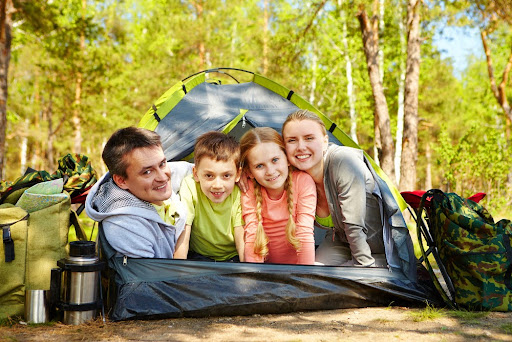
Camping is a great way to unplug from screens, bond with loved ones, and create lasting memories. Whether you're pitching a tent in the mountains or parking a camper by the lake, preparation is key to a successful trip. With the right food, gear, and safety know-how, you can avoid common camping mishaps and focus on enjoying time together in nature. From meal planning to bedtime routines, these practical tips will help ensure everyone in the family—kids and adults alike—stays happy, comfortable, and excited for the next adventure.
Pack Food That Feels Like Home
One of the best parts of camping is cooking together outdoors. Pack ingredients your family loves and that are easy to prepare over a fire or portable stove. Consider pre-chopping veggies, marinating proteins, or bringing a spice kit to add flavor. Mexican-inspired dishes are often a hit because they’re both fun to make and customizable for picky eaters. According to Abasto, over 233 million Americans used Mexican ingredients or recipes in their diets, making tacos, burritos, and quesadillas crowd-pleasers at the campsite.
Be Mindful of Your Sleeping Setup
Sleep can make or break your trip. Choose sleeping bags that match the nighttime temperatures and pack sleeping pads or air mattresses for added comfort. A well-rested family is more likely to enjoy the next day's hike or paddle. Also, make sure to check your tent for tears or insects before bedtime. While bed bugs are more commonly associated with hotels, they can be accidentally brought into tents on clothing or gear. Interestingly, according to Forbes, only 30% of humans show any signs of bed bug bites after being bitten, making vigilance especially important when camping.
Dress Smart for Day and Night
Campers need clothing that handles the outdoors—hot days, cool nights, and sudden rain. Pack layers that are breathable and moisture-wicking. Cotton t-shirts and socks are popular, but bring quick-drying fabrics for river days or long hikes. Still, cotton has its perks. According to Blue Cotton, cotton is stronger when wet than dry, making it surprisingly durable for active days around camp or by the water.
Plan Activities That Include Everyone
While some family members may love fishing or kayaking, others might prefer storytelling by the fire or painting rocks. Plan a mix of activities that allows everyone to participate in something they enjoy. Try rotating leaders for hikes or giving each person a chance to choose a group activity—this fosters inclusivity and keeps boredom at bay. Don’t forget simple games like cards or scavenger hunts that require little to no equipment.
Practice Campground Etiquette
Respecting other campers and nature goes a long way. Teach kids to keep noise down at night, clean up after meals, and stay on marked trails. Leave No Trace principles, like packing out trash and minimizing fire impact, are great lessons for kids and essential for protecting the environment. Being considerate creates a better experience not just for your family but for everyone sharing the outdoors.
Keep Safety a Top Priority
Before heading out, go over basic safety with the whole family. This includes fire safety, wildlife awareness, and what to do if someone gets lost. Pack a well-stocked first-aid kit and make sure all electronics are charged or backed up with solar chargers. Print or save offline maps if cell reception is spotty. Feeling prepared helps everyone relax and enjoy the adventure more fully.
Family camping trips offer a rare opportunity to connect without distractions. When you plan meals that everyone enjoys, prepare for a good night’s sleep, and include activities that appeal to all ages, you set the stage for an unforgettable getaway. With the added bonus of safety measures and a few creature comforts, you can create positive memories your family will cherish for years to come. All it takes is a little planning and a spirit of fun to make your next camping trip the best one yet.