



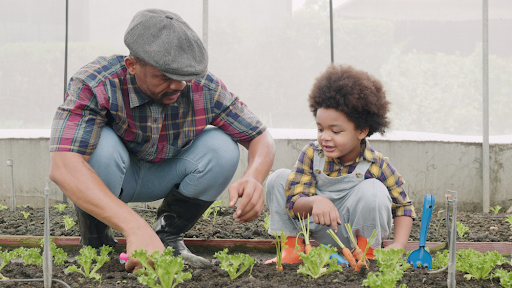
Engaging children in gardening activities is more than just a wholesome family pastime. As we dig deeper into the world of plants, seeds, and soil, we open a gateway towards a healthier lifestyle for both parents and children. This enriching hobby provides physical, mental, and educational benefits that can shape a child’s development. Exploring the various advantages of gardening with kids reveals more than just green thumbs—it uncovers a nurturing ground for growth and bonding.
Physical Benefits of Gardening
Gardening is an excellent way for children to engage in physical activity. The Centers for Disease Control and Prevention highlights that kids who partake in regular exercise are significantly more likely to sustain a healthy weight. This increased physical activity also correlates with improved academic performance. By incorporating gardening into your child’s routine, you foster an active lifestyle that supports their overall well-being.
Furthermore, the physically demanding aspects of tasks like digging, planting, and weeding provide a full-body workout. These activities can help children develop their motor skills and coordination. The tactile experience of handling dirt and nurturing plants encourages kids to engage their senses, which is crucial for their physical development.
When children garden, they are not only exercising their bodies but also gaining exposure to sunlight and fresh air. These natural elements are vital contributors to enhancing physical health and fostering happiness. The combination of physical effort, sunlight, and the outdoors crafts an environment where children flourish.
Mental and Emotional Growth Through Gardening
Gardening isn’t just a workout for the body—it’s also a balm for the mind. Engaging with nature has a profound impact on reducing stress and anxiety levels. Those who spend time gardening often report a greater sense of health and happiness. Witnessing the growth of plants instills a sense of accomplishment and boosts self-esteem, making children feel proud of their achievements.
The process of planting a seed and witnessing its transformation into a fruitful plant serves as an enriching mental exercise. It teaches patience and responsibility as children learn to care for their plants, understanding the principles of nurture and commitment. Each sprouting seed can inspire curiosity and encourage children to ask questions, fostering cognitive growth.
Besides boosting mental health, gardening can fortify emotional bonds between family members. The collective experience cultivates teamwork and communication skills as families collaborate on their gardening projects. Working together to achieve common goals provides children with a sense of belonging, strengthening family dynamics.
Educational and Nutritional Insights
Gardening provides a hands-on educational experience that complements traditional learning. It offers practical lessons in biology, ecology, and agriculture, providing kids with real-world applications of academic subjects. Children become little scientists, observing growth cycles and understanding ecological balances. This immersive learning approach engages their curiosity and enhances retention.
Additionally, witnessing the growth of edible plants at home can inspire healthier eating habits. As reported by Method, a substantial percentage of adults express interest in growing their vegetables and herbs. Gardening enables children to truly appreciate where food comes from, often leading to increased willingness to try fruits and vegetables they have grown themselves.
The homegrown produce resulting from gardening practices not only supports nutritional education but also encourages kids to make healthier food choices. This awareness also ties back to the concept of self-sufficiency, teaching children how to nurture the earth and themselves. With each harvested vegetable, kids learn valuable lessons on the importance of nutrition and healthy eating practices.
Bringing gardening into your family’s life is an investment in a nurturing, educational, and health-conscious future. Children exposed to gardening are more likely to maintain active lifestyles and healthier dietary habits throughout their lives. By sharing in the joys of gardening, families cultivate deeper connections, fostering generations who are attuned to the wonders of nature. The garden is not just about plants; it’s about growing together.