



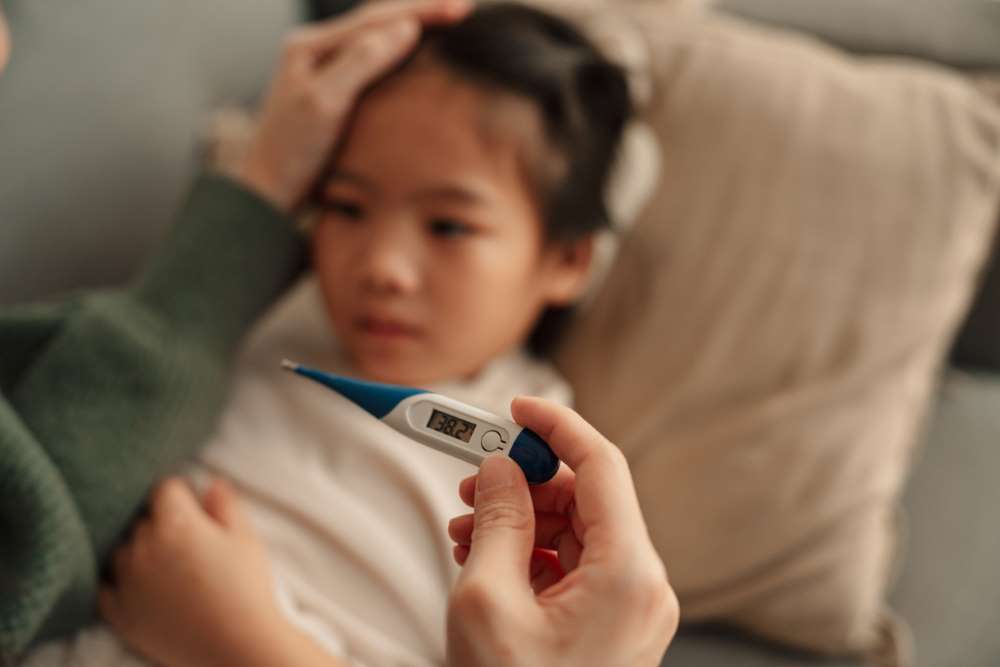
Every parent faces moments of worry when their child is unwell. From common colds to more serious concerns, understanding how to navigate these health challenges is key to supporting your child's well-being. While it’s impossible to prevent every illness, staying informed and prepared can make a world of difference. Let’s explore some crucial aspects of managing your child’s health journey, from strengthening immunity to knowing when to seek medical help.
Recognizing the Impact of Seasonal Illnesses
Children are especially vulnerable to seasonal illnesses, and influenza is one of the most common culprits. According to Healthline, the flu affects millions each year, with estimates ranging from 9.3 million to as high as 49 million cases annually in the U.S. alone. These numbers highlight how pervasive and disruptive the flu season can be for families. Ensuring your child gets a flu shot each year and teaching proper hygiene habits like handwashing and covering sneezes can help reduce their risk of infection.
Boosting Immunity Through Nutrition
Nutrition plays a significant role in your child’s ability to fight off illness. One essential nutrient that supports immune function and energy is vitamin C. According to CBS42, research shows that vitamin C intake may help decrease fatigue levels for up to 24 hours. This is especially helpful when children are recovering from an illness. Including vitamin C-rich foods such as oranges, strawberries, and bell peppers in your child’s daily meals can support both their health and stamina during vulnerable times.
Understanding the Role of Emergency Care
While many childhood illnesses can be managed at home or through regular pediatric visits, it’s important to recognize when emergency care is necessary. According to Lonestar, around 18.3 million visits to the emergency room in the U.S. each year are due to non-injury-related health concerns. These include severe fevers, breathing difficulties, allergic reactions, and dehydration. Parents should trust their instincts—when in doubt, it’s better to seek medical attention than to delay care in a potentially serious situation.
Creating a Supportive Health Environment at Home
Establishing routines that promote overall health can go a long way in preventing illness and managing recovery. Encourage adequate sleep, regular physical activity, and hydration. Reduce stress by maintaining a calm and structured home environment, especially during periods of illness. Keeping your child at home when they are sick not only supports their recovery but also prevents the spread of illness to others. Being proactive in your approach creates a strong foundation for resilience in your child’s health journey.
When to Seek Ongoing Medical Guidance
Some health challenges may require more than just at-home care or a one-time doctor’s visit. If your child frequently experiences recurring symptoms like chronic ear infections, asthma flare-ups, or gastrointestinal discomfort, it might be time to explore specialist care. Pediatricians can provide referrals to help you manage these more complex conditions. Don’t hesitate to keep a journal of symptoms or questions so you can have meaningful discussions during appointments and better track patterns over time.
Encouraging Open Communication and Advocacy
As children grow, helping them understand and express how they feel physically and emotionally becomes crucial. Teaching them to recognize symptoms, articulate discomfort, and ask for help empowers them to take an active role in their health. Encouraging this communication also helps you advocate effectively on their behalf when working with healthcare providers. Your awareness and persistence can ensure they receive the best possible care and outcomes throughout their health journey.
Facing health challenges with your child can be overwhelming, but you’re not alone. By staying informed, building healthy routines, and knowing when to seek medical advice, you are laying the groundwork for a healthier future. With the right tools and support, you can confidently guide your child through their health journey—one step at a time.