



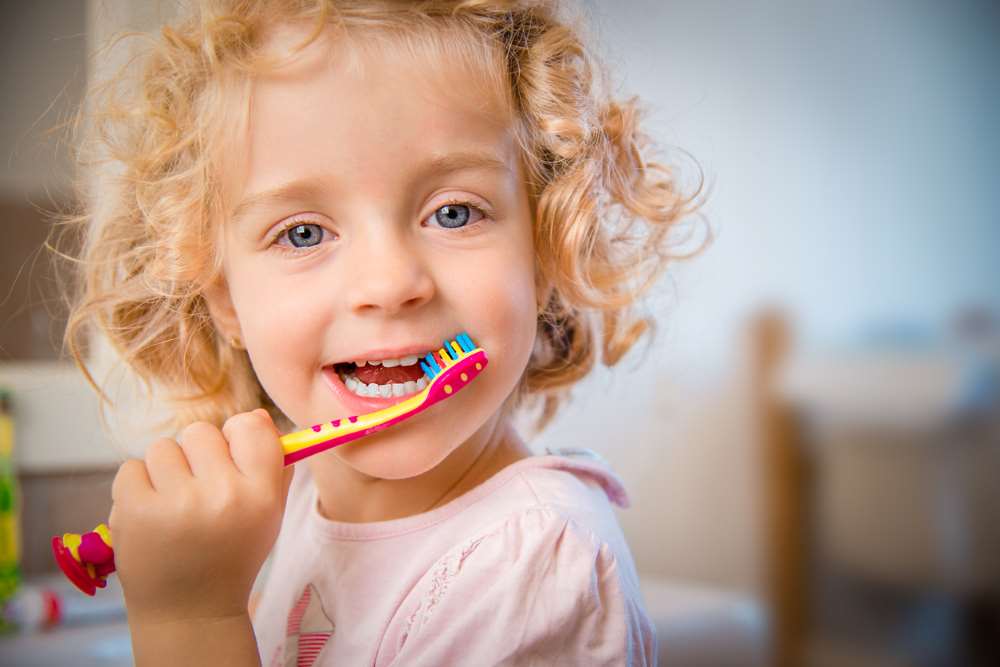
Helping your kids maintain healthy teeth starts at home. Teaching them good dental habits at home can set the foundation for the rest of their lives. You have a major impact on whether your kids will learn good oral hygiene habits. The right strategies can help you empower your child to be in control of their care.
Take Your Child to the Dentist Regularly
Taking your child to the dentist regularly can help your child understand how important routine checkups and cleanings are. These can help detect potential dental problems early on, when they are the easiest to treat. Your pediatric dentist can also provide specific treatments, such as fluoride treatments or sealants. If your child plays sports or is very physically active, a dentist can also create a customized mouthguard to protect the teeth. You can make dental care more affordable by using a dental payment plan provider, which will help your money go further while getting the care you need.
Help Your Child Get Enough Fluoride
Fluoride is an important mineral that can help tooth enamel become stronger. This can help ensure your child is less likely to develop cavities. It's a good idea to ensure that the water in your area has fluoride added to it. If it does not, your dentist might recommend some type of fluoride supplement. Your dentist may also be able to do a fluoride treatment. When your child is old enough, you may also be able to give them a mouthwash or toothpaste with this important mineral.
Make it Fun
Create a fun environment when you are helping your child with their oral hygiene. This can help your child understand that taking care of their smile is a positive activity. You can use a sticker chart to help your child track brushing and flossing habits. Every time they complete a cleaning session, help them track it on the chart. Consider offering rewards for consistently staying on track. To help your child learn how long they should brush their teeth for, look for fun ways to set two-minute timers. You can sing a song or set a timer so they can see how long they need to spend on this task. There are also apps you can use to make brushing and flossing a fun activity. These will automatically have timers and music to encourage your child to brush for the right amount of time. They also usually have information designed to inform your child about overall dental health.
Encourage Your Child to Eat Right
The food you eat has a direct impact on your oral health, so it’s important to teach your child good habits now. Crunchy vegetables and fruits help your child’s mouth produce saliva, which can help maintain enamel health and reduce acids. Encourage your child to eat foods like celery, apples, and carrots. Leafy greens are another food that can contribute to good oral health. They give your child folic acid, calcium, and other important vitamins. These nutrients can support overall health, including oral health. If your child is able to have dairy, adding yogurt, milk, and cheese into their diet can give them another source of phosphate and calcium, which are critical for strong bones and teeth. Cheese also has casein, which can protect the enamel from acids that cause cavities.
Avoiding other foods can prevent cavities. You likely already know that foods with high amounts of sugar, like candy, can lead to tooth decay. The bacteria that feeds on the sugar produces an acid that will eventually break down the enamel on the teeth. But you may not have known that foods high in starches can also lead to cavities. They tend to stick to the teeth, allowing bacteria to grow. Beverages high in acid can also eat away at the enamel after a while. For example, fruit juices are common culprits. Try to limit how much your child consumes and consider having your child drink them with a straw when you do serve them. It's a good idea to read ingredient labels to see how much starch or sugar a food contains. Many times processed foods have hidden starches and sugars, and you might be surprised at how many foods are actually bad for your child’s oral health.
Educate Your Child
Educating your child about how to take care of their teeth will help them better understand and appreciate oral health. Kids of any age can have misconceptions around oral health. It’s common to think that caring for baby teeth is not important because they will fall out anyway. However, if the baby teeth get cavities, this can negatively impact adult teeth. Brushing and flossing all teeth, including baby teeth, can lead to a healthier smile. It's also important to explain to your child why it’s important to go to the dentist regularly.