



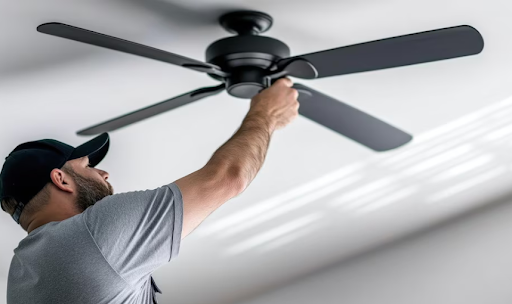
Ceiling fans are among the most cost-effective and energy-efficient ways to maintain comfortable indoor temperatures year-round. Whether you're using them to circulate cool air in summer or distribute warm air in winter, proper maintenance ensures your ceiling fans operate efficiently for decades. With regular care, these workhorses can provide reliable service while reducing your energy bills and extending their operational lifespan.
If you are considering getting a new fan because you did not upkeep the ones you already have, HunterFan.com has small room ceiling fans at pretty affordable prices.
Understanding Your Ceiling Fan's Components
Before diving into maintenance procedures, it's essential to understand the key components that require attention. The motor housing contains the heart of your fan, while the mounting system secures everything safely to your ceiling. The blades, whether wood, metal, or composite, are responsible for air movement, and the light fixture (if present) adds functionality. Each component has specific maintenance requirements that contribute to overall performance.
The electrical connections within your fan are crucial for safe operation, while the downrod and mounting bracket system ensures stability. Ball bearings or oil reservoirs within the motor require periodic attention, and the capacitor helps regulate motor speed. Understanding these elements helps you identify potential issues before they become costly repairs.
Essential Tools and Safety Preparations
Successful ceiling fan maintenance begins with proper preparation. Gather essential tools including a sturdy step ladder, screwdrivers, Allen wrenches, soft cloths, mild cleaning solution, and a vacuum cleaner with brush attachment. For electrical work, ensure you have a voltage tester and wire nuts if connections need attention.
Safety must be your top priority. Always turn off power at both the wall switch and circuit breaker before beginning any maintenance work. Allow the fan to come to a complete stop and cool down if it has been running. Ensure your ladder is stable and positioned on level ground, and never attempt maintenance while standing on chairs or unstable surfaces.
Regular Cleaning and Dusting
Dust accumulation is the most common enemy of ceiling fan performance. Dust on blades creates imbalance, reduces efficiency, and can strain the motor over time. Clean your fan blades monthly using a slightly damp cloth or specialized fan blade cleaner. Work from the center of each blade toward the tip, supporting the blade with one hand while cleaning with the other.
For thorough cleaning, use a pillowcase slipped over each blade. This method captures dust rather than allowing it to fall onto furniture below. The motor housing should be wiped down quarterly with a dry cloth, taking care not to allow moisture near electrical components. Light fixtures require regular cleaning with appropriate glass cleaners to maintain brightness and prevent heat buildup.
Blade Balance and Alignment
Unbalanced blades create wobbling that stresses the entire fan assembly and creates annoying noise. Check blade alignment by measuring the distance from each blade tip to the ceiling. All measurements should be within one-eighth inch of each other. If blades are misaligned, gently bend the blade holders to achieve proper positioning.
For persistent wobbling, use a blade balancing kit available at most hardware stores. These kits include small weights that attach to blade edges or tops to correct imbalances. Start by running the fan to identify which blade causes the most wobble, then systematically test different weight positions until smooth operation is achieved.
Motor Maintenance and Lubrication
Modern ceiling fans typically feature permanently lubricated motors that require minimal maintenance. However, older fans may have oil ports that require annual lubrication with lightweight machine oil. Never over-lubricate, as excess oil attracts dust and can damage motor components.
Listen carefully to your fan's operation. Grinding, squeaking, or unusual noises often indicate bearing wear or insufficient lubrication. If your fan has reversible motor operation, test both directions seasonally to ensure proper function. Remember that counterclockwise rotation pushes air down for cooling, while clockwise rotation pulls air up for winter circulation.
Electrical Connection Inspection
Electrical connections can loosen over time due to vibration and temperature changes. With power disconnected, carefully inspect all wire connections in the switch housing and mounting assembly. Look for signs of corrosion, frayed wires, or loose connections. Tighten any loose wire nuts and replace any damaged wiring immediately.
Check the wall switch and remote control functions if applicable. Intermittent operation often indicates switch problems rather than motor issues. Test different speed settings and ensure smooth transitions between speeds. If your fan includes lighting, verify that all bulbs are properly seated and that fixtures aren't overheating.
Seasonal Maintenance Schedule
Establish a seasonal maintenance routine to keep your ceiling fans operating optimally. Spring cleaning should include thorough blade cleaning, balance checking, and electrical inspection. Summer preparation involves testing all speed settings and ensuring proper counterclockwise rotation for cooling efficiency.
Fall maintenance focuses on checking winter operation by testing clockwise rotation and verifying that the fan effectively circulates warm air downward. Winter months are ideal for deep cleaning and any necessary repairs while the fan sees lighter use. Keep maintenance records to track when services were performed and identify patterns in wear or performance issues.
When to Call Professionals
While most ceiling fan maintenance can be performed by homeowners, certain situations require professional attention. If you experience frequent electrical tripping, motor overheating, or persistent vibration despite balancing efforts, contact a qualified electrician. Similarly, if mounting hardware shows signs of stress or if you're uncomfortable working with electrical components, professional service ensures safety and proper repair.
Investing in regular ceiling fan maintenance pays dividends through improved performance, lower energy costs, and extended equipment life. With proper care, your ceiling fans will continue providing efficient air circulation and comfort for many years, protecting your investment while keeping your home comfortable in every season.