



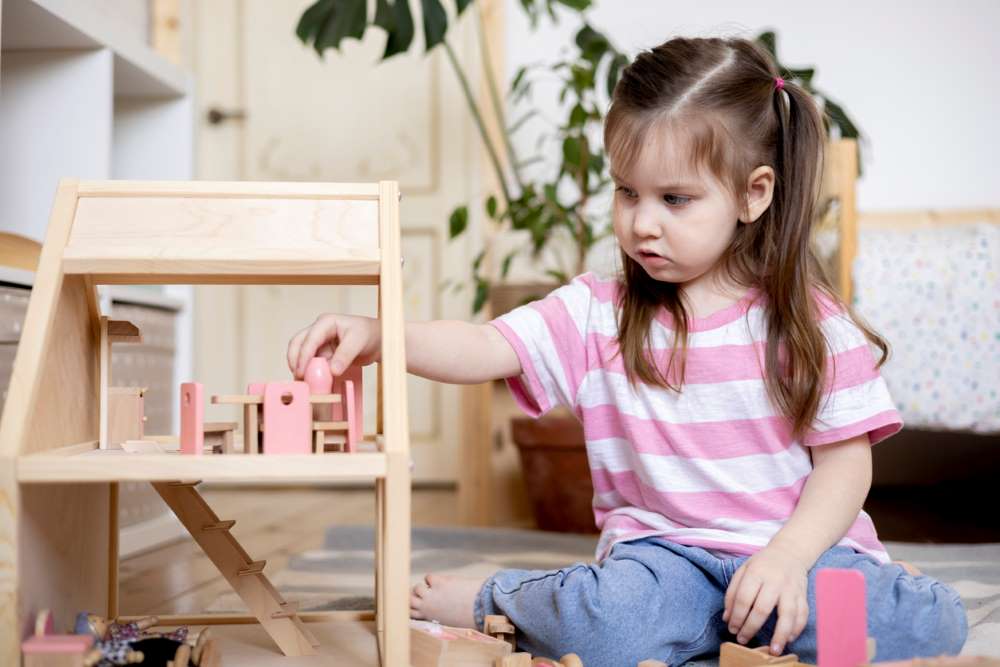
A Montessori-inspired home supports toddlers as they learn to move, choose, and explore independently. Simple design choices and child-accessible furniture can make everyday routines calmer and more meaningful. This article looks at how families can apply Montessori ideas naturally at home.
The toddler years are full of movement, curiosity, and big emotional changes. Children at this stage want to do things on their own, even when they do not yet have the skills to do everything perfectly. A Montessori-inspired home is designed to support this phase by making the environment work for the child, not against them.
Rather than focusing on toys or trends, Montessori thinking starts with one simple question: can the child use this space independently and safely?
Seeing the Home From a Child’s Perspective
In a Montessori-inspired home, furniture and daily items are placed at a child’s level. This small shift changes how toddlers interact with their surroundings. When children can reach their own books, climb into bed on their own, or choose an activity without help, they begin to build confidence naturally.
Open shelving, low furniture, and simple layouts allow children to understand their space more clearly. There is less frustration, fewer power struggles, and more calm moments throughout the day.
Why Sleep Setup Matters More Than We Think
Sleep is often one of the first areas where parents notice a difference after making Montessori-inspired changes. A low bed gives toddlers the freedom to lie down when they feel tired and get up when they wake, without waiting for an adult.
Many families choose a floor-level bed because it supports independence while still feeling safe. If you are exploring this approach, you can see examples of Montessori-style sleeping options in the Montessori bed collection by Montoddler, which is designed with child safety and simplicity in mind.
A comfortable and accessible sleep space often leads to smoother bedtime routines and a more relaxed start to the day.
Making Books Part of Everyday Life
Books are central to Montessori learning, but how they are stored matters just as much as which books you choose. When books are placed on high shelves or packed tightly together, toddlers rarely engage with them on their own.
Low, front-facing bookshelves allow children to see covers clearly and choose what interests them. This encourages independent reading habits and helps children learn to care for their belongings.
Parents creating a reading corner often start with Montessori bookshelves that are sized for toddlers, making books a natural part of daily play rather than a scheduled activity.
Creating a Calm Flow Between Activities
A Montessori-inspired home does not separate learning, play, and rest into strict zones. Instead, it creates a gentle flow between activities. A child might move from reading, to quiet play, to rest without needing constant direction.
Using natural materials, neutral colors, and uncluttered spaces helps reduce overstimulation. This kind of environment supports longer focus and calmer behavior, especially for toddlers who are easily overwhelmed.
Learning Montessori at Home Without Pressure
Many parents worry that Montessori at home means doing everything “right.” In reality, Montessori is flexible and meant to adapt to each family’s lifestyle. Small changes often have the biggest impact.
For parents who want practical guidance without feeling overwhelmed, Montoddler shares helpful insights in their parent-friendly guide to Montessori at home, which focuses on realistic routines rather than perfection.
Choosing Furniture That Supports Real Life
Toddlers climb, test limits, and repeat the same actions over and over. Furniture in a Montessori-inspired home needs to handle real use. Stability, quality materials, and thoughtful design matter far more than appearance alone.
Brands that focus on child-centered design help parents create spaces that last beyond one growth stage. Montoddler focuses on functional, well-crafted furniture that fits naturally into family homes while supporting independence.
Final Thoughts
A Montessori-inspired home is not about creating a perfect setup. It is about creating an environment that respects a child’s abilities and encourages growth at their own pace. When toddlers are trusted to move, choose, and explore, they often surprise us with how capable they already are.
By making intentional choices in sleep, storage, and layout, families can create a home that feels calmer, more connected, and easier for everyone.