



There’s something about the first sound of a football hitting the grass that feels like fall and family at the same time. American football has been woven into family life for generations, showing up in backyard games, high school bleachers, and living room watch parties that stretch into overtime. But it’s more than a sport, it’s a structure. When kids learn the discipline and teamwork baked into football, they’re learning habits that carry far beyond the field.
Parents often see early practices as a whirlwind of oversized helmets and confusion, but that’s where real growth starts. Kids learn to listen, to take direction, to fail without folding. When a child misses a tackle or drops a pass, they’re learning something even more valuable than how to play, they’re learning how to recover. Those moments create resilience, which, as any parent knows, is worth more than a perfect stat line.
Setting the Foundation Early
Football doesn’t have to start with a league sign-up form. Sometimes, it starts in the yard with a soft football and a curious kid asking how to throw a spiral. Parents who treat those first tosses as a low-pressure way to connect often find that football becomes a shared ritual, not just an activity. The laughter, the grass stains, the high-fives after a good catch—those are the memories that set the tone long before competition ever enters the picture.
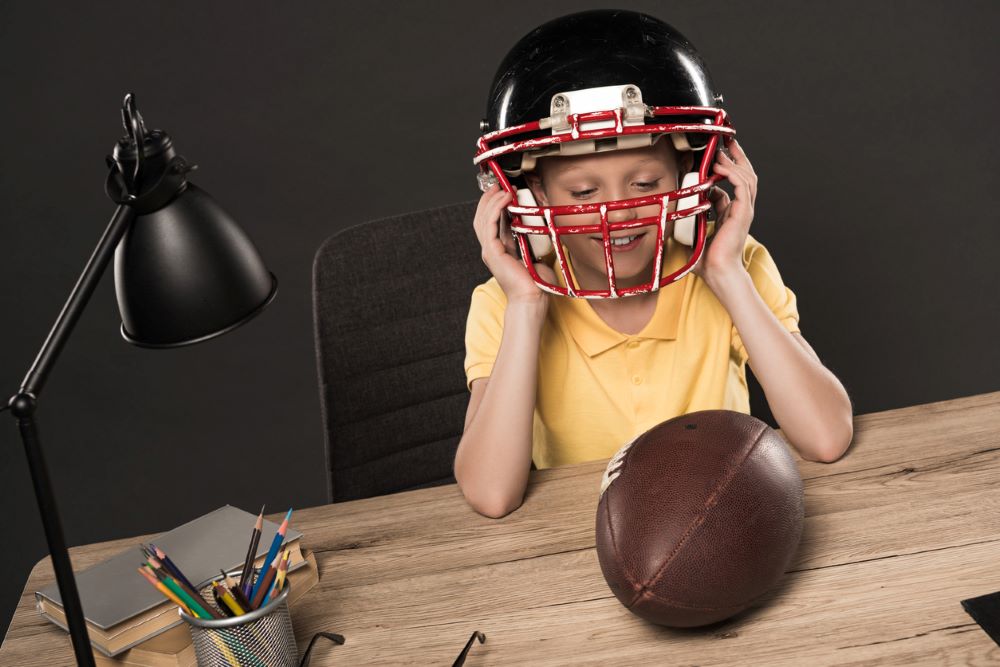
If your child does want to play, it’s worth doing it right. Gear matters. From helmets to cleats, the right football apparel is a must not just for performance but for protection. Ill-fitting equipment makes it hard for kids to feel confident or safe, and comfort builds trust. When kids feel secure in what they’re wearing, they can focus on learning, not worrying. It’s one of the simplest ways parents can support the experience and show that safety isn’t negotiable.
Learning Values Through Play
The lessons football teaches are subtle but powerful. Responsibility doesn’t come from lectures, it comes from having teammates count on you. Self-control develops when you’re told to hold a block for just one more second or wait for the snap instead of jumping early. Even empathy has a place on the field. When a teammate gets hurt or makes a mistake, it’s the players who rally around them that set the tone for the team’s culture.
Parents who emphasize those values at home reinforce what coaches are trying to teach. Talking about respect, preparation, and perseverance after practice helps kids connect the dots between effort and growth. Football becomes more than a pastime; it becomes a shared language. The sport offers a way for families to discuss accountability, pride, and resilience without it sounding like a lecture.
Balancing Ambition and Enjoyment
Every parent knows how easy it is to get swept up in youth sports. The cheering, the stats, the hope for scholarships, all of it can blur the line between encouragement and pressure. Football has a way of drawing out competitive energy, but it’s worth remembering that most kids just want to feel like they’re part of something.
That’s why the balance matters. Parents who keep the focus on effort instead of outcome tend to raise athletes who love the game instead of fearing it. A good rule of thumb is to talk about what went well before talking about what needs work. Ask what they enjoyed, what they learned, or who made them laugh at practice. The goal isn’t to raise the next MVP, it’s to raise a kid who feels capable, connected, and confident in their own growth.
Creating Family Traditions Around the Game
Whether it’s tossing the ball after dinner, piling on the couch for Sunday games, or tailgating at local high school matchups, these rituals create connection. They give kids something steady to count on and parents something shared to look forward to.
Some families even make it a rule that everyone learns the basics of the game. Understanding the downs, plays, and strategy helps the whole family engage, not just the players. It’s not about obsession, it’s about involvement. When families show up, literally and figuratively, kids feel that support in a way that sticks. It tells them that their effort matters and that their parents are paying attention.
Encouraging Kids to Join In
For parents wondering how to get your kid into sports, football can be an easy entry point if approached the right way. Start small, make it fun, and don’t rush the commitment. Let them see the game through joy, not pressure. Even flag football or backyard games count. The goal is to plant the seed of movement, teamwork, and confidence.
Kids who discover football this way often find other activities they want to try. The discipline, focus, and camaraderie they learn translate into academics, friendships, and other hobbies. It’s not about making them football players—it’s about helping them see themselves as capable of progress. That belief carries into every corner of their life.
Football, at its best, brings families closer. It gives parents and kids a reason to show up, work together, and talk about things that matter without forcing the conversation. The sport rewards effort, patience, and teamwork, the same qualities that build a solid home life.