


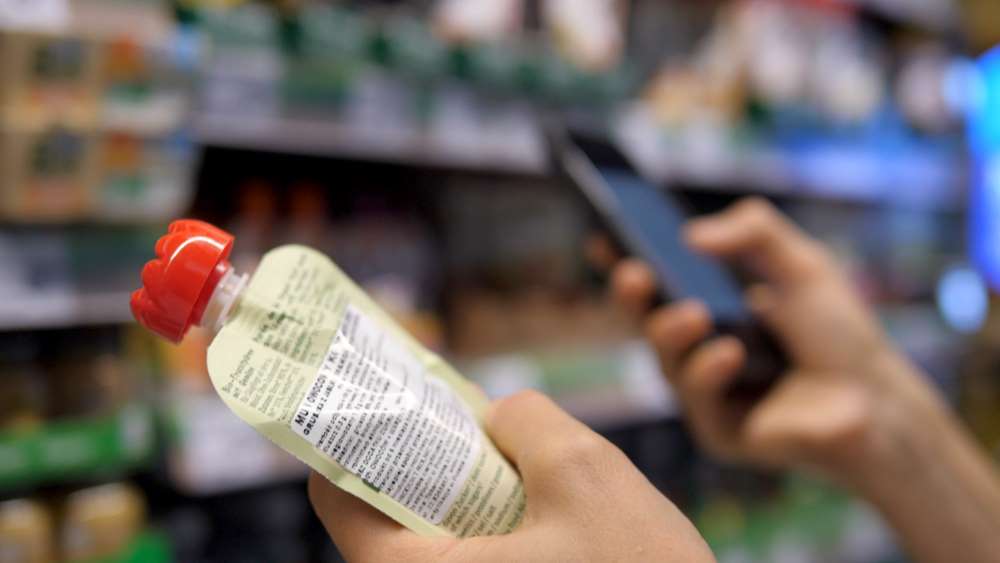
In February of 2021, a congressional report exposing four popular baby food companies for allowing dangerous concentrations of toxic metals in their products was made public. Naturally, reading the document sparked outrage in parents nationwide. This investigation, led by Congressman Raja Krishnamoorthi, was prompted by a 2019 study revealing that a whacking 95% of the baby food on the market contains at least one heavy metal.
Currently, there are no effective, safe limits for arsenic, cadmium, lead, and mercury in the vast majority of infant and toddler food, which gives manufacturers leverage to skip testing for these contaminants and place financial profit over the wellbeing of children. The U.S. Food and Drug Administration only regulates arsenic in infant rice cereal, while the remaining toxic metals have no maximum allowable limits in baby food.
The Concerning Findings of the Congressional Report
The Subcommittee on Economic and Consumer Policy, which conducted the investigation on baby food companies, suggests the following safe limits for the four toxic metals of concern: 10 parts per billion (ppb) arsenic, 5 ppb cadmium, 5 ppb lead, and 2 ppb mercury. However, the concentrations of heavy metals in the ingredients used by the four companies exceeded the safe limit of arsenic by 91 times, the maximum limit of cadmium by 69 times, and the safe limit of lead by 177 times.
For instance, Beech-Nut was found using ingredients with over 880 ppb lead, whereas Hain Celestial allowed baby food with 309 ppb arsenic to go on the shelves. Moreover, while Beech-Nut used ingredients containing more than 340 ppb cadmium, Hain Celestial manufactured infant and toddler food with as much as 260 ppb cadmium. Upon examining their internal practices and contaminant test results, the investigators found that all four companies rarely tested for mercury.
Toxic Metals Act as Neurotoxins in Children's Bodies and May Cause Autism
A neurotoxin is a substance that interferes with the function of the nervous system by damaging brain cells or the nerves that carry signals around the body. Once inside the body, arsenic, cadmium, lead, and mercury act as neurotoxins. If a child is fed baby food tainted with heavy metals over the years, their risk of developing neurological disorders or problems increases significantly. One of the neurological disorders exposure to toxic metals from infanthood can result in autism.
Children are especially vulnerable to the negative impact of heavy metals, as they have a higher rate of nutrient uptake by the gastrointestinal tract and undeveloped detoxification systems. Many studies found that exposure to neurotoxins can lead to alterations in the serotonergic system. The serotonergic system concerns serotonin, a neurotransmitter that influences neurological processes such as aggression, mood, cognition, learning, memory, and sleep, all of which are impacted in children with autism.
Interestingly, some medical studies view autism as a form of lead and mercury toxicity. The former metal is usually present in high amounts in children's blood with the disorder. Over 500,000 children between 1 to 5 in the United States have blood concentrations of lead above the reference value, and 1 out of 54 children born after 2008 will develop autism. Lead can wreak havoc on brain development and function even when present in trace amounts in the body.
The presence of neurotoxins in children's bodies, notably lead, can result in perturbations at the cellular and molecular levels of the nervous system. Heavy metals can even cause brain inflammation. Other neurological problems exposure to toxic metals by ingestion can cause in children include cognitive damage, developmental delays, behavioral abnormalities, and learning disabilities. In the long run, heavy metals in the body increase the risk of neurodegenerative disorders such as Parkinson's disease.
Practical Alternatives to Commercial Baby Food
If you no longer know what to feed your infant or toddler because of the disturbing findings concerning neurotoxins, there are fortunately alternatives you can use instead of canned or jarred food. However, know that there are ethical and organic companies that mind the ingredients going into their baby foods. By replacing rice puff snacks with rice-free snacks, the concentration of heavy metals will be reduced by 93%. In contrast, replacing teething biscuits with a frozen banana or chilled cucumber will lower the toxic metal content by 91%. Furthermore, by replacing infant rice cereal with other infant cereals, such as multi-grain, you will lower the heavy metals level by 84%, and by replacing carrots and sweet potatoes with a variety of other fruits and vegetables, you will reduce the content of the toxic metal by 73%.
Lastly, what you can do to delay your child's need for baby food is to breastfeed for as long as possible. Unfortunately, although over 80% of mothers in the United States breastfeed, fewer than a third keep doing it for one year, as pediatricians recommend. When it is time to introduce solid food into your child's diet, paying attention to which fish you feed them is also significant, as some fish are notorious for containing high levels of mercury. The fish you should give your child include canned light tuna, pollock, catfish, salmon, trout, and herring. In contrast, the fish you should avoid is king mackerel, marlin, tilefish, ahi tuna, orange roughy, shark, swordfish, and bigeye tuna.
About the Author
As Chief Financial Officer, Jonathan Sharp is responsible for financial analysis, the collection and distribution of the funds, and management of firm assets at Environmental Litigation Group, P.C. The law firm, headquartered in Birmingham, Alabama, specializes in toxic exposure, assisting parents whose children developed autism as a consequence of consuming tainted baby food.