



They say a child can be molded into any personality but not an adult. Childhood is the most receptive age of one's life in which a person develops habits and qualities that shall follow them for life, and shall be associated with their character forever. Parenting has developed over the years to become more and more hands-on.
In the present times, children are burdened enough by their syllabus and the pressure of outperforming academics. This might often block the altruistic growth of a child's character and prevent them from learning the most essential qualities that might serve them throughout life.
In this article, we shall be discussing some tips that you could imply and introduce your kids to responsibilities and handling them, via general day-to-day activities.
-
Bag packing
Bag packing is a massive task if done systematically. Make a timetable for your kids or let them draw one for themself. Enter all their lectures that shall be conducted weekly. Stick the timetable on the door of their room or closet. After dinner, before they go to bed, teach them to look at the timetable and organize the books according to it. Ask them to organize the books in the bag, in a similar fashion. Teach them to also check their uniforms if they are ready to wear them the next day before they go to sleep.
-
Baking
Baking is another fun activity to bond with your children. Sit with them and let them try out a recipe. Once they're done, stick the recipe on the refrigerator and ask them to collect all the ingredients. Ask them to mix all the ingredients and keep discussing with them some tips and tricks to bake. Help them with the oven and once the baking is done, praise them. Also, help them analyze and evaluate their baking, each time they do it. Moreover, finding easy recipes has never been easier with all the online sources, get creative!
-
Homework
As soon as the kids arrive home, let them eat and have some rest. After they have rested, ask them to read their daily handbook aloud and narrate to you all what they have been asked to do for homework. You could also have them talk about their day. While they do the homework, sit somewhere around them so that you can help them whenever they want you to. Only after they have completed their homework, should they be allowed to go to play outside.
-
Games
Teaching responsibility is a key step in raising responsible kids. Games are an effective way to teach these skills because they're fun and interactive, giving the child more freedom than traditional teaching techniques allow for.
-
Plan Rescue: A group of friends imagines they are in a plane crash. They set out to find help, but each person has different injuries and must take care of themselves while also helping their fellow team members. This game teaches responsibility by giving players the chance to play various roles for one another (who is injured and needs more support, a person may be blind, another unable to use her hands) as well as encourage cooperation among all participants so that everyone can survive until they reach safety together!
-
The Responsibility Game: The Responsibility Game is designed to teach children responsibility. The game can be played by kids in grades one through six and has a track that they make their way around while performing different actions related to the theme of responsibility, such as role-playing or answering questions about what appropriate action would be for specific imaginary situations. After completing these tasks players collect letters that spell out "responsibility." Whoever collects 14 letter cards first wins!
-
Gardening:
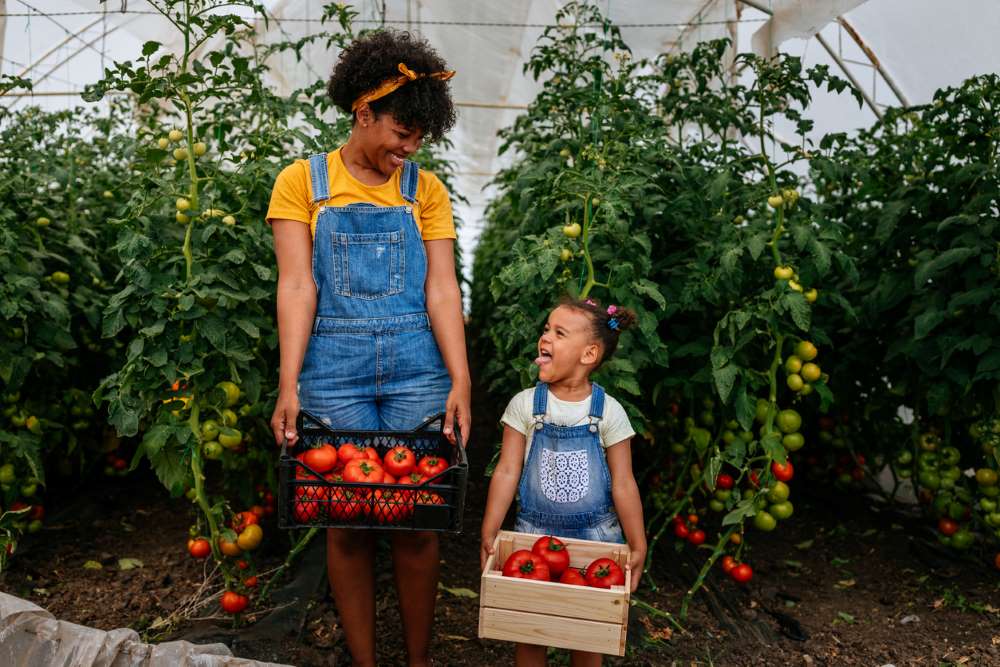
Gardening is a fun activity and if you want, you can ask them to join you. Teach them sequence to get started with gardening, like wearing gloves and boots before they enter the garden, and teach them how to use different equipment for gardening. When they have planted a sapling, give them the responsibility to water it each day. This will inculcate in them the quality of taking care of their things. If you wish to buy some specific plants or vegetables, you might choose to invest in an indoor grow tent.
Reward them
Create a list of tasks the kids need to accomplish in a day and plant rewards for each task. You could add things like, getting up early and making their bed after they wake up, getting dressed up for school on their own, packing their bag, etc. After they come back from school, ask them to keep their uniforms safely in the closet, after they have changed, and keep their plates in the sink after they have had their meals. As soon as the kid completes a task, reward them with something or the other. While many people might think rewarding means buying food or gifts, that’s not always the example one should follow. You could take them for an outing on the weekends, go watch a movie together, go bowling, etc.
Conclusion
It’s so important to raise a child who cares about themselves and others. Helping your child develop a sense of responsibility at a young age can build their self-esteem and lead to a strong work ethic later in life. If a child acts responsibly at home, then they are more likely to be responsible outside the home too. They will learn to contribute in a positive way to their environment at child care and pre-school.
Simple games, chores, and activities that involve your child at a young age will be an investment in their self-worth as they mature.