



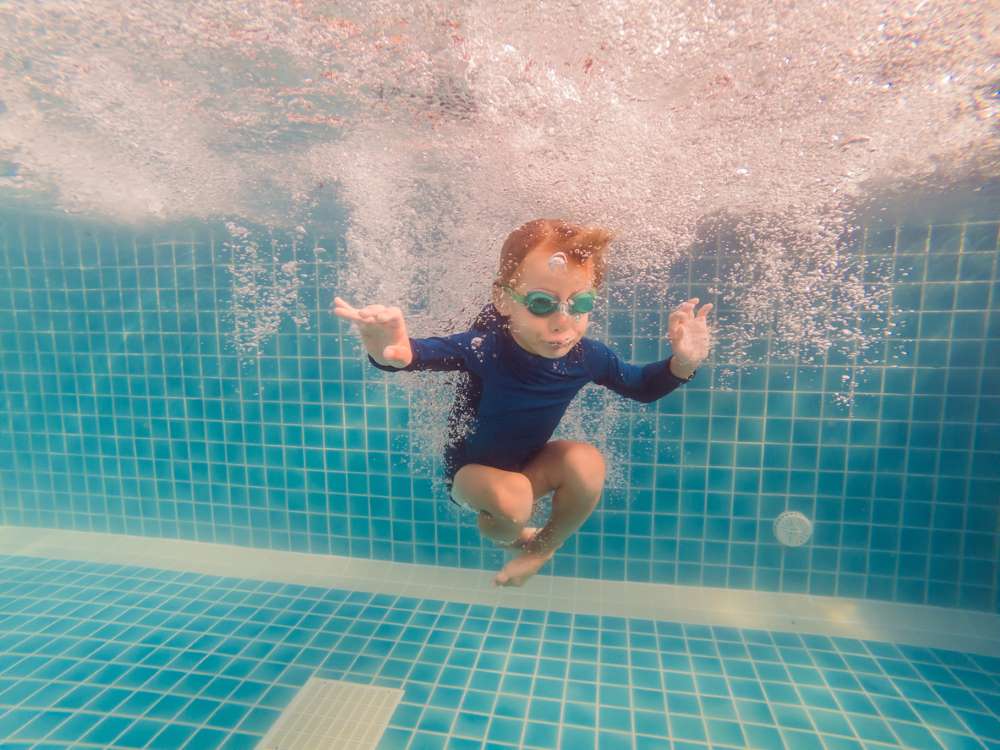
Summer is coming, and with it, the heat. At this time of year, one of the best ways to beat the heat is the pool. Taking a bath in the water while enjoying the sun and cooling off is one of the best ways to combat high temperatures. In addition, it's an activity that can be practiced in almost all ages. For the elderly, it helps them to keep their joints active. For the family, it is a great way to bond and cool down on a hot summer's day. But that fun has to be accompanied by a series of precautions that guarantee your safety. Here are 5 water safety tips every child should know.
Never Swim Alone
When the children go into the water, keep an eye on them; put floats on if the kids can't swim, even if they are just playing on the edge of the pool. Accidents occur most frequently in private swimming pools and among children under six years of age. Therefore, it's advisable to fence the pool to prevent the child from entering it in the adult's absence and falling inside.
Skip The Breath-Holding Games
While swimming, children shouldn’t play risky games where they hold their breath for a long time. This can result in the risk of drowning and other severe dangers. If a swimmer hyperventilates or holds their breath for too long, they will become at risk of passing out underwater.
Never Swim On A Full Stomach
Digestion cuts are frequent, but avoiding them is easy. They occur when we exercise after eating and the blood goes to the muscles and not the stomach. Therefore, rest after the meal, avoiding physical activity, and bathing in freezing waters. If the lunch has been copious, respect the digestion time and enter the water gradually, wetting the nape and stomach before submerging completely.
Keep Away From Pool Drains
Hair, loose bathing suits, and even smaller limbs can get stuck in faulty drains, resulting in serious injuries or drowning. It is important for children to stay away from such areas, especially if a drain is missing its cover or shows any signs of damage. If you notice one that seems to be broken, report it immediately.
Know Where The First-Aid Kit Is Placed
If your child loves to dive, give them some goggles. Keep in mind that chlorine and other disinfecting agents added to swimming pool water can irritate the eyes and lead to an infection in the conjunctiva. Swimming pool water can also be responsible for external otitis, which occurs as a result of the entry into the ear canal of water containing viruses or bacteria. To prevent it, try to dry the child's ears with the tip of the towel as soon as you get out of the water.
Just as you’d teach your children how to look both ways before they cross the street, it is essential to teach them how to be safe around water. By continuously putting them into practice, you can ensure you have prepared your child to swim safely.