




Eco-friendly.
It’s a term people have heard a lot of since climate change became the world’s most pressing problem. As one of the most popular buzzwords among climate activists and Instagram influencers alike, it’s easy to assume every tip we read online will protect the planet.
Here’s the thing: they don’t. In fact, many of the tips out there can do more harm to the environment than good, unless advised by a climate change consulting service.
What is eco-friendliness?
There’s a huge misconception out there that people must give up much of their favourite treats and hobbies in order to be eco-friendly. While that would surely help, being eco-friendly doesn’t always mean living a stripped-back lifestyle. It also doesn’t have to be expensive.
Instead, being eco-friendly has come to mean consciously swapping out environmentally taxing habits for cleaner, greener ones that have a smaller impact on your local and global environments. People have also begun to define eco-friendliness not just as avoiding habits that are harmful to the environment, but enforcing those which positively impact it in a sustainable way.
#1 Reduce your energy consumption
Fossil fuels are one of the most damaging energy sources when it comes to climate change. Unfortunately, they are also how the majority of households keep winter chills at bay, with 81% of energy in the United States coming from coal, oil, and gas. Start small by switching to cleaner energy providers and turning off all appliances when they are not in use.
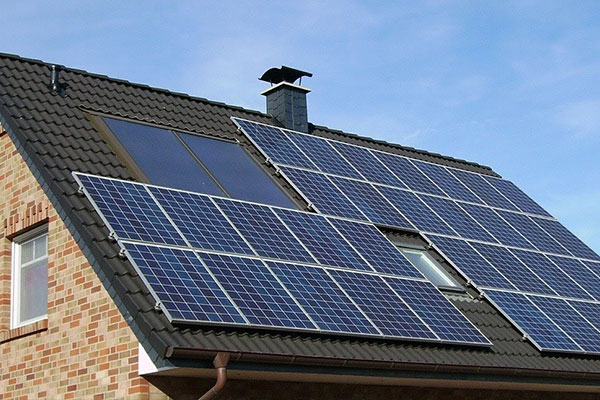
If you are unable to reduce your energy consumption- whether that be because you have a larger family, or live in a cold climate- there are other ways you can source your energy that don’t use harmful fossil fuels. One of the most popular at the moment is installing solar panels on the roof of your home. Even on days it isn’t sunny, you can store the energy generated by the sun for darker, colder days.
Make sure to maximize whatever energy source you are using by installing thick, anti-flammable cladding to insulate your walls, and recycling old fabrics by turning them into cosy blankets. This way, you won’t always need to rely on your central heating for warmth.
#2 Think long term
There are no quick solutions to climate change, which is why you should start thinking long term. Investing in insulation is a great example of how you can do this, but it isn’t the only way. To keep your carbon footprint down, you’ll also need to buy products and appliances that aren’t short-term fixes. Ideally, you’ll stick to items that have been sourced sustainably, using fair production methods and organic materials that have less of an impact on the planet.
Items like an organic mattress for better sleep and smart energy meters are quickly becoming staples in the everyday home. This is not just due to their planet-saving properties, but because they can help households save money over time. It’s true that these investments can seem expensive at first, but they are more economical in the long run.

#3 Bring nature indoors
Although being eco-friendly means making choices that can impact the wider world, it is also about taking care of your immediate surroundings. Those living in urban spaces have benefited from maximizing natural light in their homes, as it helps them to consume less energy for lighting. Others have found that having plants indoors promotes oxygen flow, but can also act as a local food source. This can help massively with cutting down on food miles, and there’s nothing to say you can’t create your own outdoor allotment if you don’t have space inside.
You’ll begin to notice how bringing nature indoors doesn’t just positively impact the planet, but your wellbeing. With more oxygen to breathe and more natural light flooding in, you may notice yourself feeling happier and healthier as the days go on.

#4 Recycle your water waste
The average American family can waste around 180 gallons of water every week. Whether it’s from leaking taps or long showers, it’s a number that can- and should- be cut down. It’s also one of the simplest household changes to make; the solution falls into two categories: minimizing water consumption and recycling water waste.
The first relies on everyone in the home being more mindful of how much water they use, even if that means cutting down on shower time by a minute each day, or not washing your hair every day. If these habits are ingrained in children earlier in life, they’ll find them easier to stick to as time goes on.
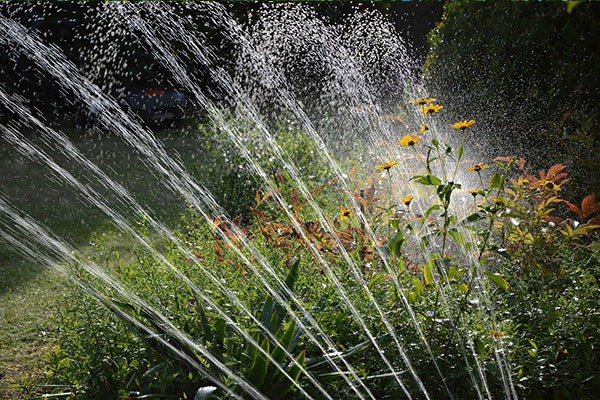
When it comes to recycling your water, you can do anything from collecting rainwater to water the plants, to using bathwater to wash your car.
#5 Go organic
Every household has its own habits when it comes to food, and it seems that some of these aren’t great for the planet. Processed foods, the meat industry, and excessive plastic wrapping have caught the headlines lately, and for all the wrong reasons. This is why many people have decided to switch to a more plant-based diet. You don’t have to be a fully-fledged vegan to be eco-friendly, but experts do suggest buying your meat, eggs, and dairy from ethically sourced vendors or local farms if you’re not ready to try the vegan lifestyle. This way, you’ll also be contributing to your community and keeping food miles low. Just make sure you always take a reusable bag to avoid plastic packing.
It isn’t just food that can be organic, but household cleaning products and skincare. Many of the items we buy in stores are full of harmful chemicals and substances, like the microbeads found in face scrubs.
If you can, switch out your usual products for local, organic ones. They may be slightly more expensive, but many households would agree that they are worth the switch. If you’re hoping to save money, why not create your own household cleaning products and skincare instead?