



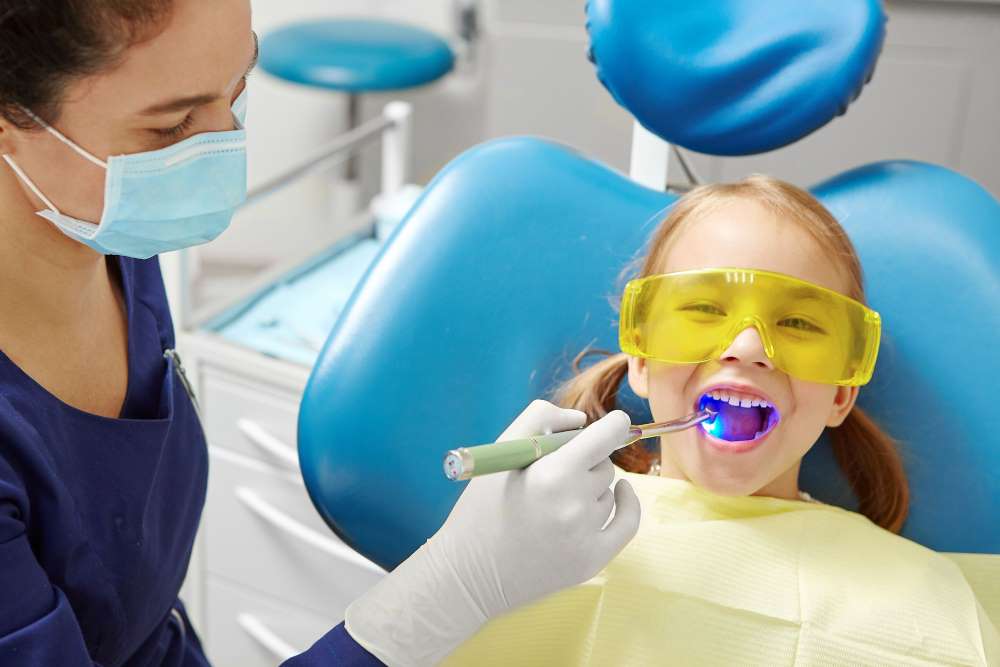
Children have yet to develop permanent teeth. But they're not spared from dental-related problems and diseases.
According to the Centers for Disease Control and Prevention (CDC), oral cavities affect over half of young children and teens, with higher incidences in lower-income families. The agency also found that poor oral health increases the risk of low grades and more frequent absences from school.
Preventing dental issues in children requires parents to adopt a proactive approach. That said, working with professionals is key to establishing and maintaining oral health at a young age. Parents must know how to pick the right dentist for children and put their little ones' best interests above anything else.
Differences between a general and a pediatric dentist
General and pediatric dentists are equipped with the knowledge to take care of your children's dental needs. However, knowing the differences between these two practicing professionals is crucial to arrive at an informed decision.
-
Pediatric dentists have specialized training
Pediatric dentists have specialized training to handle specific dental issues in children, including those with special needs. After spending four years in dental school, these oral professionals undergo additional two years of studying and training to manage oral issues in babies, children, and teens.
During this time, pediatric dentists learn the common issues and vulnerabilities children face regarding oral health. They also develop their diagnostic skills and identification of preventive and restorative solutions for every young patient.
-
Pediatric dentists have age-appropriate equipment
Unlike adult patients, infants, children, and teens need smaller-sized dental equipment so that the dentist can evaluate their needs properly. Without these specific dental supplies, dentists may be unable to exercise proper consultations and treatments, especially in younger patients, like babies and toddlers.
Pediatric dental clinics often have the latest technologies, such as quiet dental drills. Such custom devices make tooth restoration more comfortable and effective so that little ones no longer dread going to the clinic regularly.
-
A dental clinic maintains a more calming environment
Apart from age-appropriate dental devices, a pediatric dental clinic maintains a friendly and comforting environment. For instance, most have reading materials and toys that keep children preoccupied while waiting for their turn.
Pediatric dental staff is likewise trained to provide a calming environment to youngsters, sometimes playing with them to diffuse anxiety build-up. After every session, children are typically asked to get a reward for “a job well done.”
This method, called gamification, is especially helpful in evoking engagement and learning in children.
-
Pediatric dentists are experienced in handling patient stress
Dentists are perhaps some of the most feared professionals among children for various reasons, including association with pain. According to a study, misconceptions that lead to “dental fear” are common in young children and tend to go away with age and experience.
As such, the first visit is always the hardest for parents, children, and clinicians alike. However, a trained pediatric dentist is adept at handling stress and fear in little kids. They can manage anxiety better by using calming words and being gentle to make the entire session more relaxing and fun.
-
Pediatric dentists are adept at solving child-specific issues
Individualized treatment is vital in any oral health practice. Even general dentists must study a patient's unique condition to address their issues effectively. In this sense, general and pediatric dentists are alike, but the latter are more adept at resolving common and uncommon issues in children.
For instance, they can provide counseling to help parents break the habit of excessive thumb sucking and pacifier use, which increases the risks of oral problems later in a child's life.
-
Pediatric dentists may help reduce costly treatments
This type of benefit may sound counterintuitive. After all, any medical and dental consultation entails costs. However, a skilled pediatric dentist can detect oral abnormalities in children and recommend certain diagnostic tests to prove their suspicion—which again could set you back a few hundred dollars. However, this can be a life-saving and cost-cutting process in most cases.
Pediatric oral professionals can identify and manage growth and development concerns affecting the mouth, including orthodontic and periodontic issues, like loss of teeth in young patients. They can also identify oral conditions resulting from certain health problems like diabetes, asthma, heart conditions, and attention-deficit hyperactivity disorder (ADHD).
In most cases, the issues above need to be addressed as early as possible to increase the likelihood of treatment success. Any health condition detected at its early stage will typically require less intense and, likely, more affordable medical intervention.
Wrapping up
Both general and pediatric dentists can diagnose and treat a young patient's dental condition or ensure oral health. However, beyond preventing and repairing tooth cavities and abnormalities, pediatric dentists are better trained to understand children's unique dental needs and development. As specialists, they're more equipped to manage oral health in young patients, including those with special needs.
Besides these technical skills, pediatric dentists possess the necessary training to make every consultation and procedure a fun experience, which isn't always guaranteed in a general practitioner's clinic.